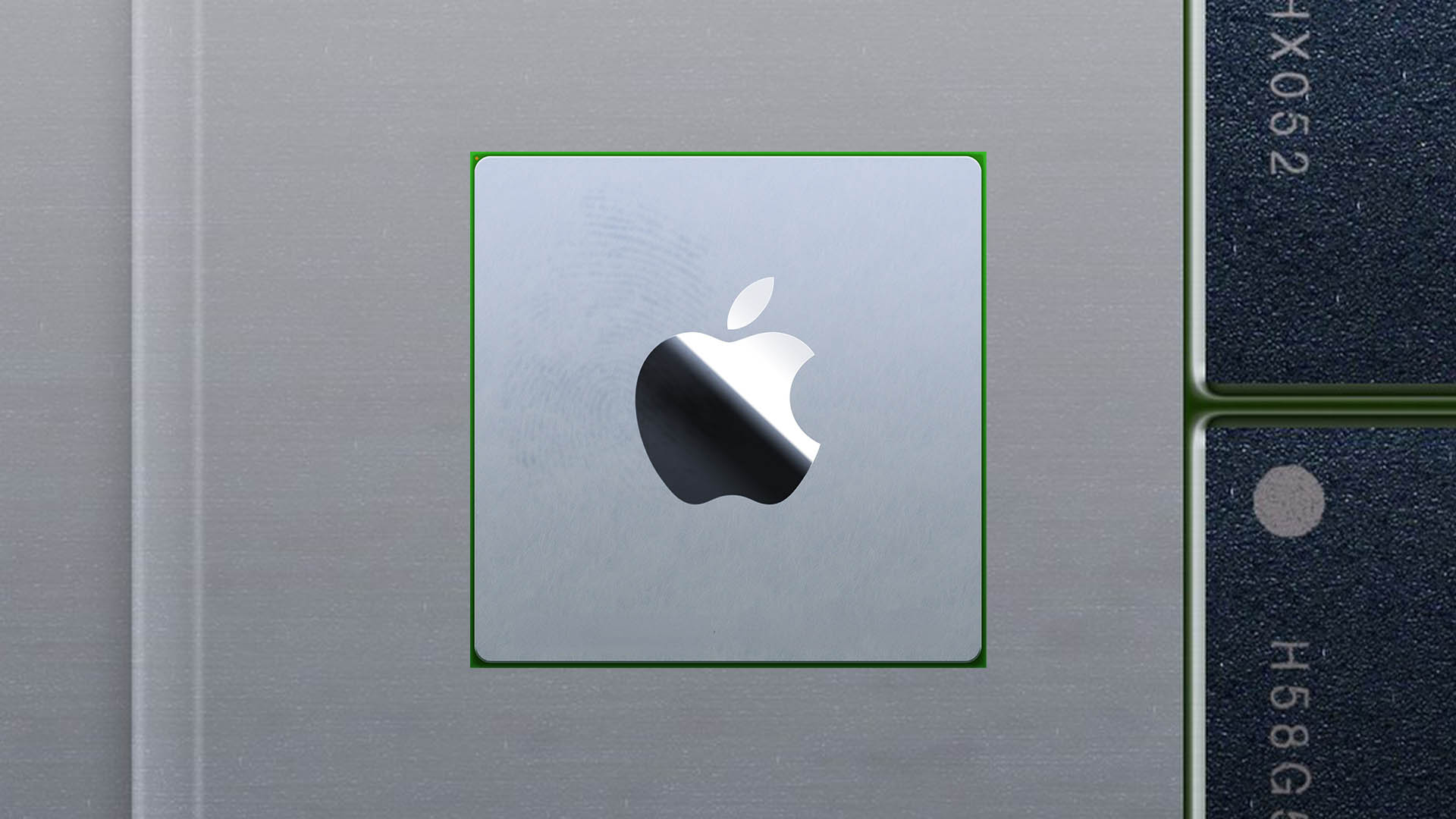
Apple’s iPhone lineup has been a frontrunner in integrating cutting-edge chip technology, and recent reports suggest a continued reliance on the 3nm process for upcoming generations. Speculation has it that while Apple is poised to retain its technological prowess, the iPhone 17 will not mark the debut of an A-series system-on-chip (SoC) based on the even more advanced 2nm node. Instead, the iPhone 17 Pro and iPhone 17 Pro Max models are anticipated to incorporate the A19 Pro chipset, which is an advanced version of the current 3nm technology.
The tech giant is expected to employ TSMC’s enhanced 3nm ‘N3P’ process for its A19 Pro chip. TSMC has been ramping up production ahead of the iPhone 17 release, with ambitions to double its 3nm wafer production capacity by the end of 2024. Meanwhile, TSMC also has its sights set on advancing its 2nm process pipelines with construction progressing steadily in Hsinchu’s Baoshan and a burgeoning facility in Kaohsiung. These facilities aim to start equipping the factories by the end of the year and potentially reach a combined 100,000 wafers in capacity by 2027.
The production of TSMC’s 2nm process wafers may welcome Apple as its premier customer. Admittedly, Apple had begun exploring the 2nm technology as early as June 2023, with trial productions already underway. Nevertheless, models like the iPhone 16 Pro and iPhone 16 Pro Max will still feature the A18 Pro chipset, which marks Apple’s first iteration of the 3nm SoC mass produced with TSMC’s second-generation ‘N3E’ process.
The report further underscores that, while the iPhone 18 family in 2026 might introduce Apple’s inaugural 2nm silicon, the success and timing of this integration will depend on multiple variables.
Leading companies in the tech industry, including Apple, Intel, AMD, NVIDIA, and MediaTek, have shown interest in the 2nm technology, aiming to implement it in their future flagships. Current roadmaps predict TSMC’s N3E process to underpin 2023’s iPhone 16, whereas the N3P process will propel the subsequent year’s model. TSMC’s 2nm process is thus not expected to hit the consumer market before 2026.
Apple’s plans to transition into 2nm chipsets might still change due to several unpredictable factors, and while the prospect sounds promising, it’s essential to take these early announcements with cautious optimism.
This insight into Apple’s future chipset technologies for iPhone models reveals the company’s continuous pursuit of innovation and performance optimization for its devices. The use of a 3nm or 2nm process has significant implications for the power efficiency and processing capabilities of future smartphones, which can directly enhance user experience with faster and more energy-efficient devices. Stay tuned for more updates as Apple and TSMC refine their chipset technology and production plans.