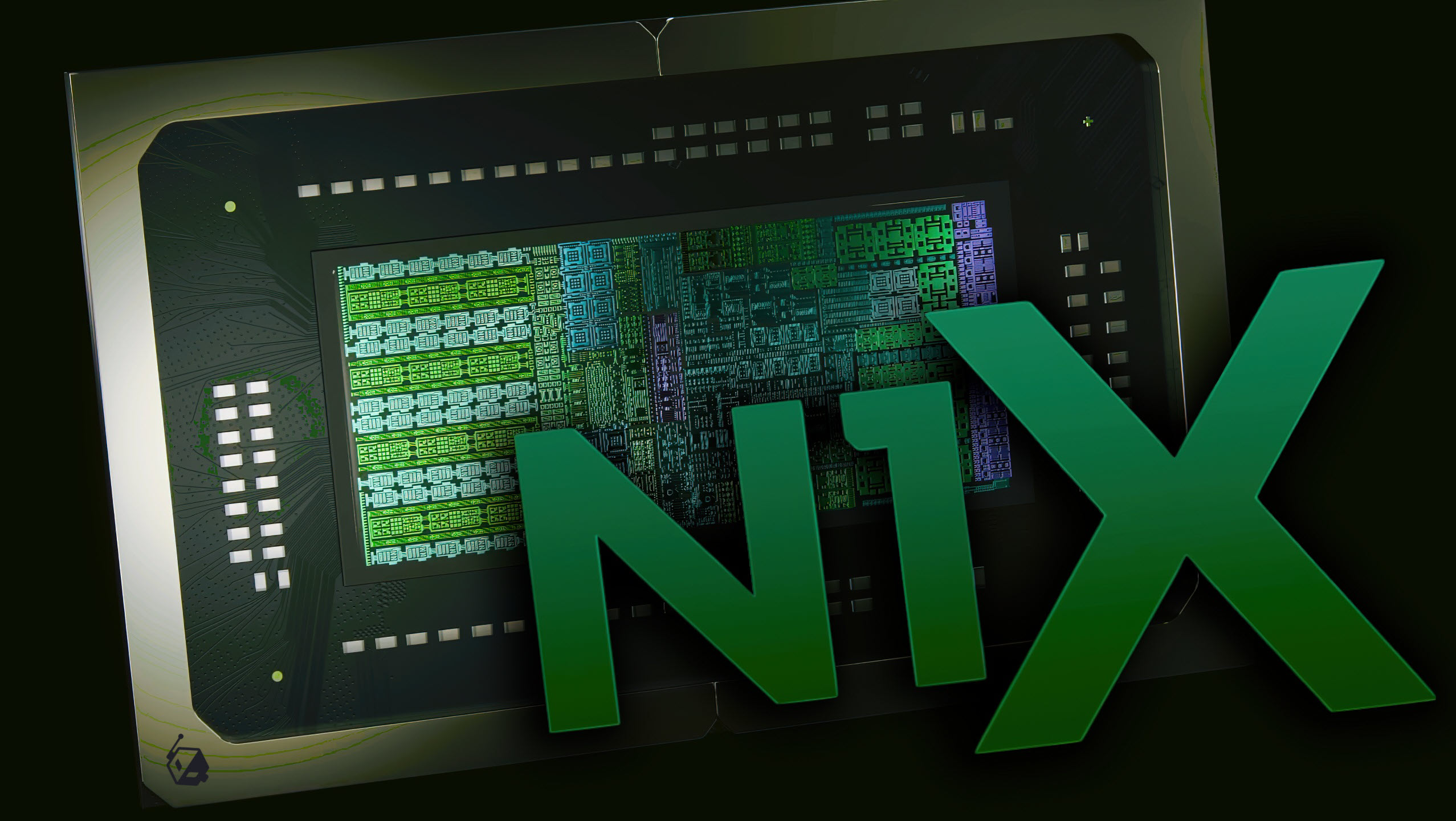
NVIDIA is making waves in the world of Windows on Arm (WoA) technology, but it seems their anticipated N1X SoC won’t hit the shelves until the start of 2026. This delay, moving from an expected late 2025 launch, is largely due to Microsoft’s slowed development of its new Windows platform. This update is critical as it promises to bring enhanced AI capabilities and bolster the WoA ecosystem, which NVIDIA’s N1X was set to complement.
Co-developed with Mediatek, the N1X represents NVIDIA’s inaugural venture into the enterprise and consumer-grade WoA sector. It’s poised to challenge existing solutions in the burgeoning “AI PC” market. They’ve already teased us with glimpses at major tech gatherings like Computex 2025, showcasing early prototypes from companies like ASUS, MSI, and Lenovo.
However, there are a few hurdles. Microsoft’s next-gen Windows OS isn’t ready, which has led to tweaks in product timelines. Moreover, consumer interest in WoA laptops hasn’t been as robust as expected, with AMD and Intel still commanding significant portions of the market.
NVIDIA is also fine-tuning its N1X and N1 SoCs, incorporating new design revisions for optimized performance. These chips will employ TSMC’s advanced N3B process technology and feature the Grace CPU and Blackwell GPU — offering impressive capabilities including up to 128 GB of LPDDR5X memory.
Performance metrics on platforms like Geekbench 6 reveal impressive scores, suggesting that even in its current form, the N1X is performing well against competitors like AMD’s Ryzen AI MAX+.
The N1 series will likely include various models, targeting different market segments from enterprise to consumer, possibly even expanding into niche markets like handheld devices. Expectations are high, with NVIDIA’s offerings set to compete with major players such as AMD’s Ryzen AI MAX, Apple’s M4, and Intel’s AX series. More details are anticipated at CES 2026, where NVIDIA will likely unveil further advancements in this innovative field.