1666 Amsterdam Faces Backlash After Generative AI Assets Appear in Free Prologue
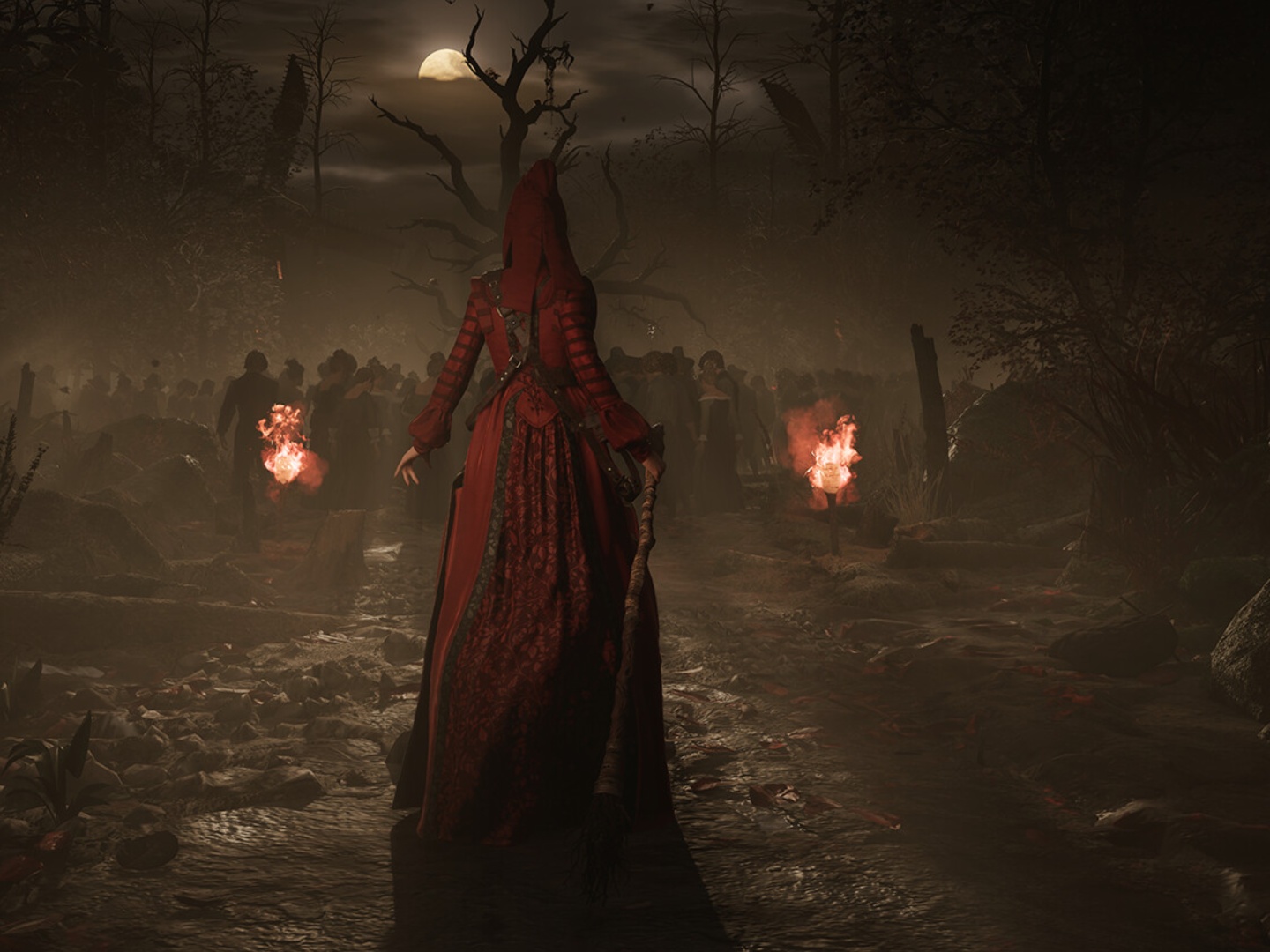
1666 Amsterdam was expected to make a strong first impression, especially with Patrice Désilets, the original creative force behind Assassin’s Creed, leading the project at Panache Digital Games. Instead, the newly revealed action-adventure game has quickly found itself at the center of controversy after players discovered generative AI-created assets in its free prologue.
The game was introduced during Summer Game Fest, where Panache Digital Games confirmed that a free prologue for 1666 Amsterdam was available on Steam and the Epic Games Store. The announcement generated attention almost immediately, largely because of Désilets’ long history with ambitious historical action games and the long, difficult road this project has taken to reach the public.
However, excitement began to shift into criticism when players noticed that some assets in the prologue appeared to be created using generative AI. The discussion quickly spread across social media, with fans pointing out questionable in-game portraits and promotional materials connected to the game.
Panache Digital Games later addressed the situation publicly, confirming that some in-game portraits and external marketing assets were indeed generated with AI. The studio described the inclusion of these materials as an oversight and apologized for allowing them to appear in the prologue.
The developer also stated that the final version of 1666 Amsterdam will not include AI-generated assets. This clarification appears aimed at reassuring players that the full game will be built with original, human-created content rather than relying on generative tools.
Still, the damage to the game’s early reputation may not be easy to repair. For many players, the use of AI in video game development remains a sensitive issue, especially when it involves art, character portraits, or promotional imagery. Some fans argue that AI-generated material undermines the work of artists, while others are frustrated that it appeared in a project with such a high-profile creative legacy.
The controversy is especially disappointing for longtime followers of Patrice Désilets. After playing a major role in shaping the original Assassin’s Creed games, Désilets spent years trying to bring 1666 Amsterdam back into the spotlight. The game has often been viewed as a passion project with the potential to deliver a rich historical setting, immersive exploration, and the kind of creative ambition that defined his earlier work.
Now, instead of being discussed purely for its setting, gameplay potential, and creative vision, 1666 Amsterdam is facing questions about development practices and transparency. Fans are debating whether the AI content was truly accidental or whether it reflects broader production choices behind the scenes.
Generative AI in gaming has become an increasingly common topic, but public reaction often depends on how it is used. Some players may accept AI as a background tool for early concepts or internal workflows, while others strongly oppose its use in any final product or public-facing material. In the case of 1666 Amsterdam, the issue became more serious because the assets appeared in a playable prologue and marketing content seen by the public.
For Panache Digital Games, the next step will be rebuilding trust. The studio’s promise that the full release will avoid AI-generated assets may help calm some concerns, but players will likely watch future updates closely. Transparency, clearer communication, and visible improvements could be key to shifting the conversation back toward the game itself.
1666 Amsterdam still has the ingredients to become one of the more intriguing historical action-adventure games in development. Its setting, creative leadership, and long development history give it a unique identity. But its first public showing has also shown how quickly enthusiasm can turn into skepticism when AI-generated content enters the conversation.
Whether this controversy becomes a temporary setback or a lasting problem will depend on how Panache Digital Games handles the road to launch. For now, 1666 Amsterdam remains a highly watched project, but one carrying more scrutiny than expected after its big reveal.