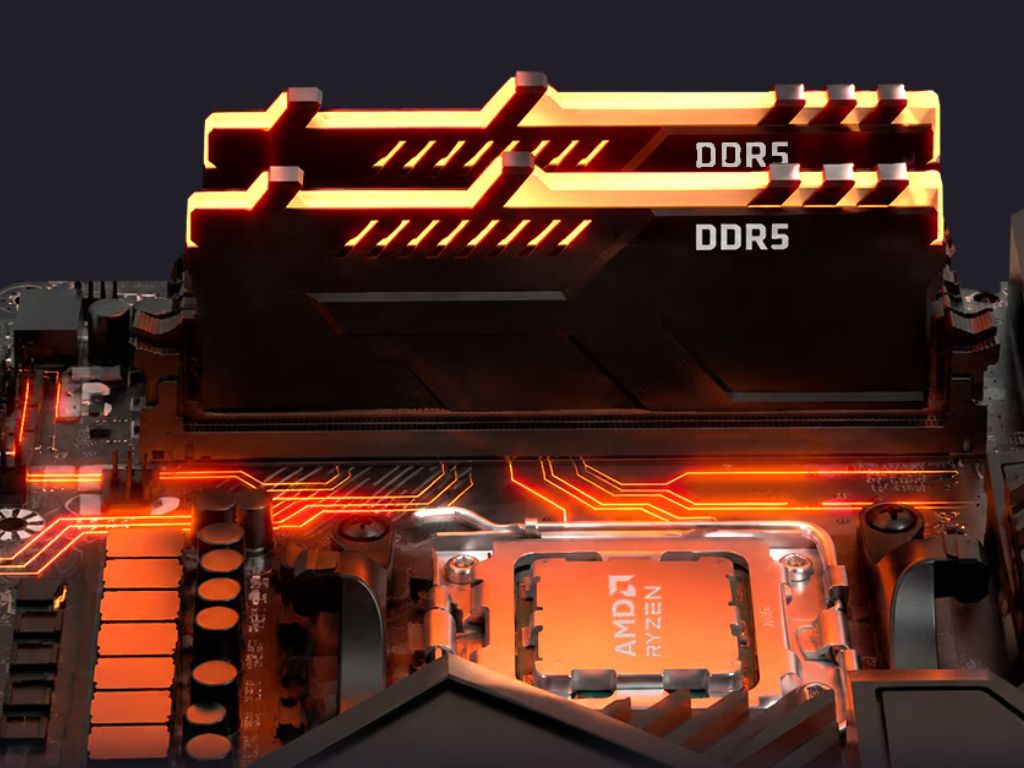
AMD EXPO-ULL promises lower DDR5 latency and smoother Ryzen gaming performance
AMD used Computex 2026 to introduce a new memory overclocking feature aimed squarely at PC gamers: AMD EXPO Ultra Low Latency, also known as EXPO-ULL. Built on the existing AMD EXPO memory profile standard, EXPO-ULL is designed to make DDR5 memory faster where it matters most for Ryzen gaming systems: latency, frame pacing, and responsiveness.
Instead of simply chasing higher DDR5 speeds, AMD is focusing on tighter memory timings for popular 6000 MT/s and 6400 MT/s DDR5 kits. These speeds are already widely used with Ryzen 7000, Ryzen 9000, and X3D-series processors, making EXPO-ULL a practical upgrade path for gamers who want better performance without manually tuning memory settings in the BIOS.
For everyday players, the main benefit is simple: lower latency with less effort. AMD says EXPO-ULL can reduce memory latency by around 5 to 7 nanoseconds, helping improve frame times and reduce stutter in games. Because the profiles are preconfigured and validated on supported memory kits, users should be able to enable the setting much like a standard EXPO profile.
AMD claims up to 13% higher FPS and 15% better 1% lows
To demonstrate the impact of EXPO-ULL, AMD tested the feature using a Ryzen 7 9700X system across more than 30 games. According to AMD, the new low-latency memory profile delivered up to 13% higher average frame rates and a 15% improvement in 1% low FPS compared with standard JEDEC-spec DDR5 memory.
The 1% low improvement is especially important for gaming. While average FPS is useful, 1% lows better reflect how smooth a game feels during demanding moments. Higher 1% lows can mean fewer visible stutters, more consistent frame delivery, and a more responsive experience during fast-paced gameplay.
That said, performance gains will vary depending on the game, processor, graphics card, resolution, and memory kit. AMD’s test system used a Ryzen 7 9700X, and results may differ on Ryzen X3D processors, which often rely heavily on their large 3D V-Cache and may show smaller gains from memory tuning in some games.
Why EXPO-ULL matters for Ryzen systems
AMD’s approach with EXPO-ULL highlights a key difference in how Ryzen platforms often respond to memory upgrades. While extremely high memory speeds can look impressive on paper, AMD Ryzen CPUs frequently benefit more from well-balanced memory frequencies and tighter timings.
This is why DDR5-6000 has often been considered a sweet spot for modern Ryzen gaming PCs. EXPO-ULL builds on that idea by improving latency at commonly used speeds instead of pushing users toward extreme-frequency memory kits that may cost more, require more tuning, or offer inconsistent real-world gains.
For competitive gamers, lower latency can help with responsiveness in titles where every frame matters. For single-player and CPU-heavy games, improved frame pacing can make gameplay feel smoother, especially at high refresh rates.
Supported DDR5 kits are expected from major memory brands
AMD says multiple memory partners are preparing EXPO-ULL-certified DDR5 kits. Expected brands include G.Skill, Kingston FURY, KLEVV, Lexar, TeamGroup, V-Color, XPG, and Origin Code.
These memory kits are expected to arrive in June 2026 and will target AMD systems using Zen 4 and newer Ryzen processors. That includes Ryzen 7000, Ryzen 9000, and compatible X3D chips, depending on motherboard BIOS support.
Motherboard compatibility should also improve through AGESA firmware updates. Many X870 and B850 motherboards are expected to support EXPO-ULL profiles once the required BIOS updates become available, potentially allowing users to prepare their systems before the new memory kits reach stores.
A useful upgrade for high-end AMD gaming PCs
EXPO-ULL memory kits are unlikely to be budget options at launch. Low-latency DDR5 modules usually carry a premium, and certified kits aimed at enthusiasts often cost more than standard memory. Still, for gamers building a high-end Ryzen PC, the added cost may be worthwhile if the goal is smoother gameplay, stronger 1% lows, and better responsiveness without manual memory tuning.
AMD EXPO-ULL is not just about higher benchmark numbers. Its real appeal is in making gaming feel more consistent. If AMD’s performance claims hold up across retail hardware, EXPO-ULL could become one of the more attractive DDR5 upgrades for Ryzen gamers who want a simple, one-click way to improve memory performance.


