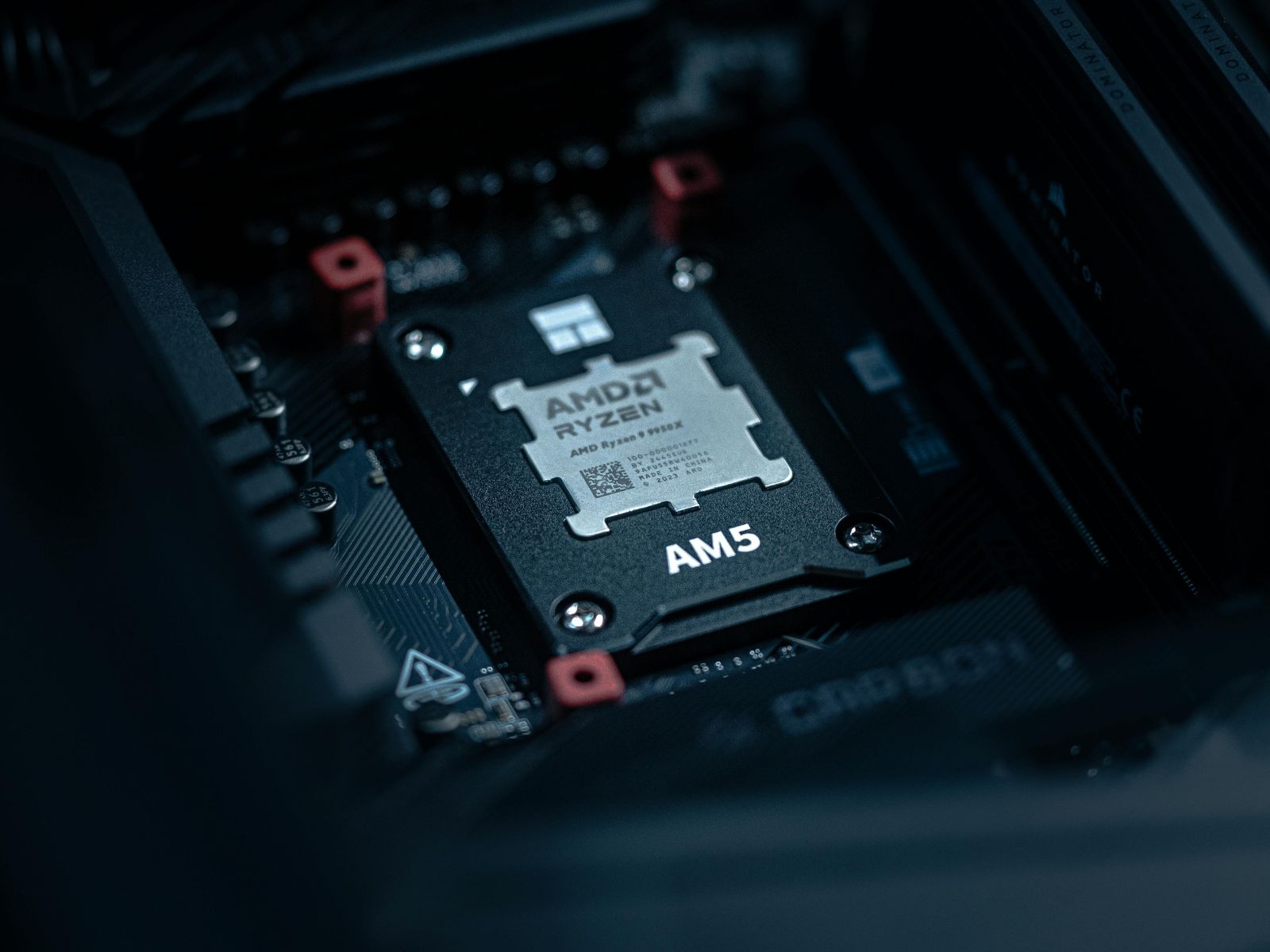
A recent leak has sparked excitement around AMD’s upcoming Zen 6 CPUs, suggesting they might reach unprecedented clock speeds, potentially nearing or even exceeding 7 GHz. This revelation comes from a discussion led by tech enthusiast Tom Guinet, hinting at a revolutionary leap in performance for the Ryzen lineup.
Zen 6 is anticipated to deliver a significant architectural upgrade over Zen 5, with advancements in clock speeds, efficiency, and transistor density. The new X3D variants are expected to blend large 3D V-Cache with these high frequencies, which could redefine gaming performance standards.
Adding to the excitement, AMD is reportedly eyeing 12 unified cores for Zen 6 to compete with Intel’s forthcoming Nova Lake, which could feature up to 16 unified P-cores. This competition is heating up the processor race and is sure to catch the attention of tech enthusiasts.
However, some game developers, especially those using Unreal Engine, have expressed concerns about the practicality of extremely high core counts in consumer CPUs. While the newest Unreal Engine versions enhance workload parallelization, this often comes with trade-offs like increased complexity and potential bugs, known as race conditions, which can complicate development.
In light of these challenges, single-threaded performance and impressive clock speeds remain crucial for consistent gaming experiences. It’s a balancing act that AMD seems poised to tackle with Zen 6.
Intriguingly, there’s also talk of low-power Zen 6 cores using less than 1 watt, a development that could extend their use to devices like the Steam Deck or even future gaming consoles. This efficiency could revolutionize portable gaming technology.
There are, however, some concerns about compatibility issues with older games at these sky-high clock speeds. The broader conversation about balancing frequency with core count continues to evolve as the tech community eagerly anticipates the impact of these advancements.