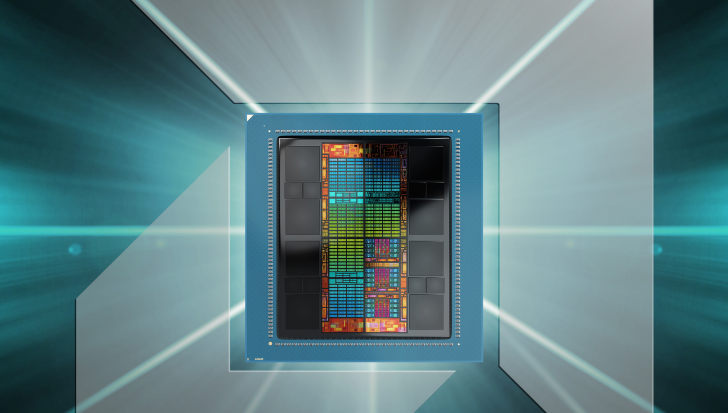
AMD is positioning itself for a substantial revenue boost with its ambitious AI roadmap. During a recent earnings call, the company announced that its Instinct AI GPU lineup is expected to drive “tens of billions” of dollars in revenue over the next few years. Despite being a latecomer in the AI race and not initially capitalizing on the trend like its rival NVIDIA, AMD’s prospects now look promising.
The strategy focuses on the Instinct lineup, which includes the upcoming MI325X and MI350 AI accelerators, along with the future MI400 series. The MI300 series, particularly the MI300X, has already gained traction as key players like Microsoft, IBM, and Meta, along with major AI and HPC clusters such as the El Capitan system, have integrated these accelerators.
AMD’s bold decision to accelerate the volume production of the MI350 AI accelerator stems from confidence in the AI market and strategic developments, such as Intel’s cancellation of the Falcon Shores project. Originally set for release in the latter half of 2025, the MI350’s production will now kick off earlier this year. This move has been met with positive feedback thanks to strong demand from existing clients and interest from new hyperscale customers.
The MI350 is noteworthy for being built on a 3nm process node with up to 288 GB of HBM3E memory, aiming to compete directly with NVIDIA’s Blackwell series. It introduces AMD’s next-generation “CDNA 4” architecture, marking significant advancements in AI technology.
Looking further ahead, AMD’s next-generation MI400 series promises to harness the “CDNA-next” architecture. Expected to launch by 2026, the MI400 is likely to deploy HBM4 memory and offer robust performance, positioning AMD as a formidable competitor in the AI market.
AMD’s leadership predicts a robust growth trajectory for the company, forecasting its data center AI revenue to skyrocket from over $5 billion in 2024 to tens of billions annually in the coming years. This ambitious outlook showcases AMD’s commitment to gaining a substantial foothold in the AI industry and leads us to anticipate exciting developments in the future.