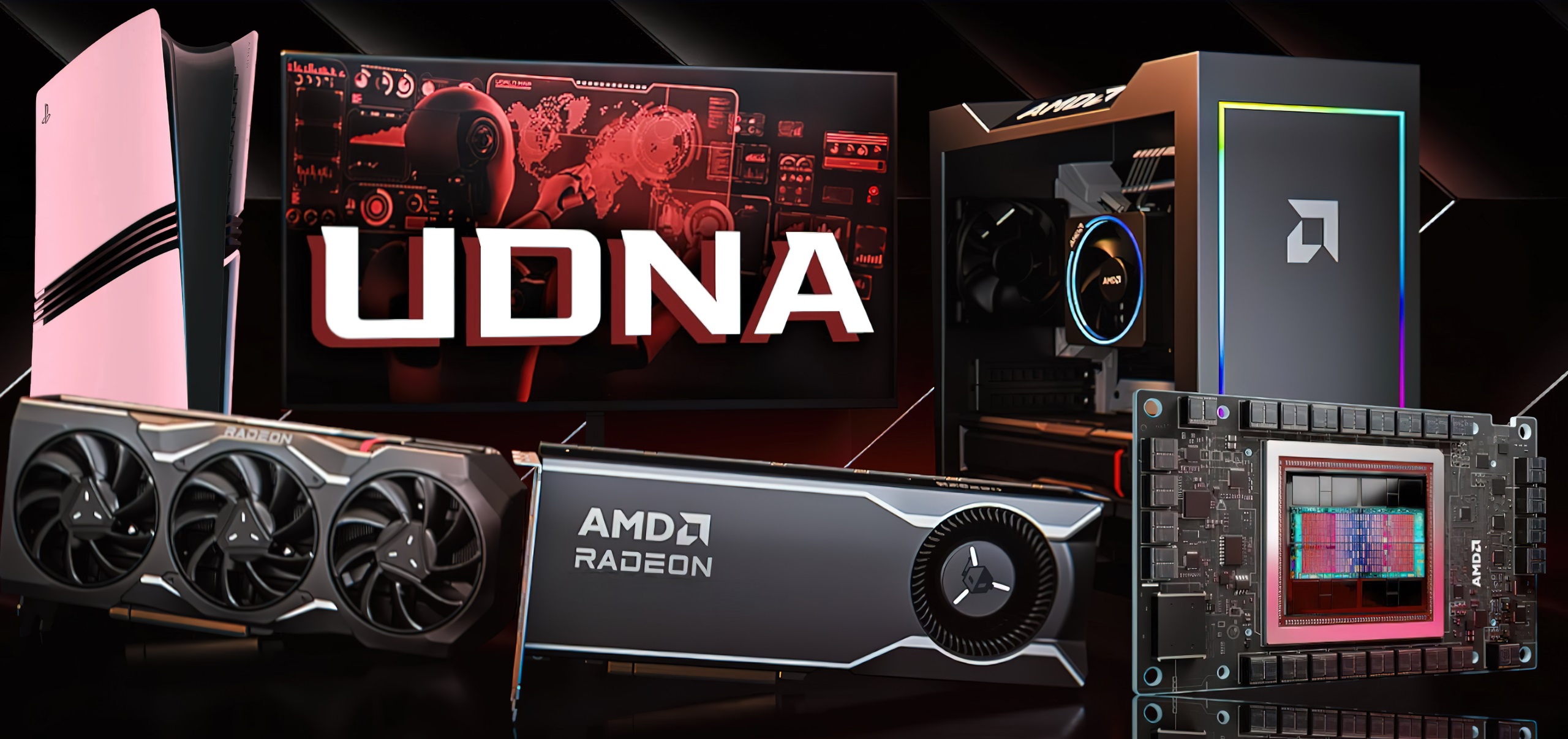
In an exciting development for gaming enthusiasts and tech aficionados, AMD is set to revolutionize its GPU offerings by introducing the next-gen UDNA architecture. This shift will begin in earnest around the second quarter of 2026, marking a new era in gaming technology with these GPUs expected to power future devices, including the much-anticipated Sony PlayStation 6 (PS6).
The UDNA architecture will unify AMD’s two existing GPU lineups, the CDNA used in data centers and the RDNA designed for gaming, into a cohesive technology. This strategic move is intended to streamline their product offerings, combining the best elements from both lines to optimize performance across all platforms.
Details about the UDNA layout suggest a return to fundamentals, with architectural enhancements reminiscent of AMD’s older GCN series. This signifies a departure from the current RDNA architecture as AMD seeks to blaze a new trail in graphics technology. Early indicators point to a significant leap in processing capabilities, which could potentially impact both gaming graphics and AI applications.
Sony’s PS6 is expected to feature this cutting-edge UDNA architecture, continuing the strong partnership between Sony and AMD. While it’s not yet confirmed whether AMD will integrate Zen 4 or Zen 5 processors into the PS6, the future of gaming consoles is undeniably bright and intriguing. Furthermore, whispers have emerged about Microsoft’s potential foray into handheld gaming devices, with AMD hardware being a favored contender given its proven track record and growing influence in the handheld space.
As for AMD’s current lineup, the RDNA 4 generation is in development and will address the mainstream market while the company takes a step back from the high-end enthusiast segment dominated by competitors. By the time UDNA architecture makes its debut, AMD could very well be poised to reclaim its stake in the high-performance market.
Moreover, AMD is rumored to be working on an AI-accelerated FSR solution, which could rival NVIDIA’s renowned DLSS technology, paving the way for enhanced gaming experiences through superior graphics and AI functionalities.
With these pivotal advancements, AMD is setting the stage for a dramatic shift in gaming technology. The anticipation surrounding the UDNA GPUs, coupled with their integration into household names like Sony’s PS6, is bound to stir excitement in tech circles. As we await the formal introduction of these innovations, the tech world remains abuzz with speculation and expectation for what lies ahead in the rapidly evolving landscape of gaming and graphics technology.