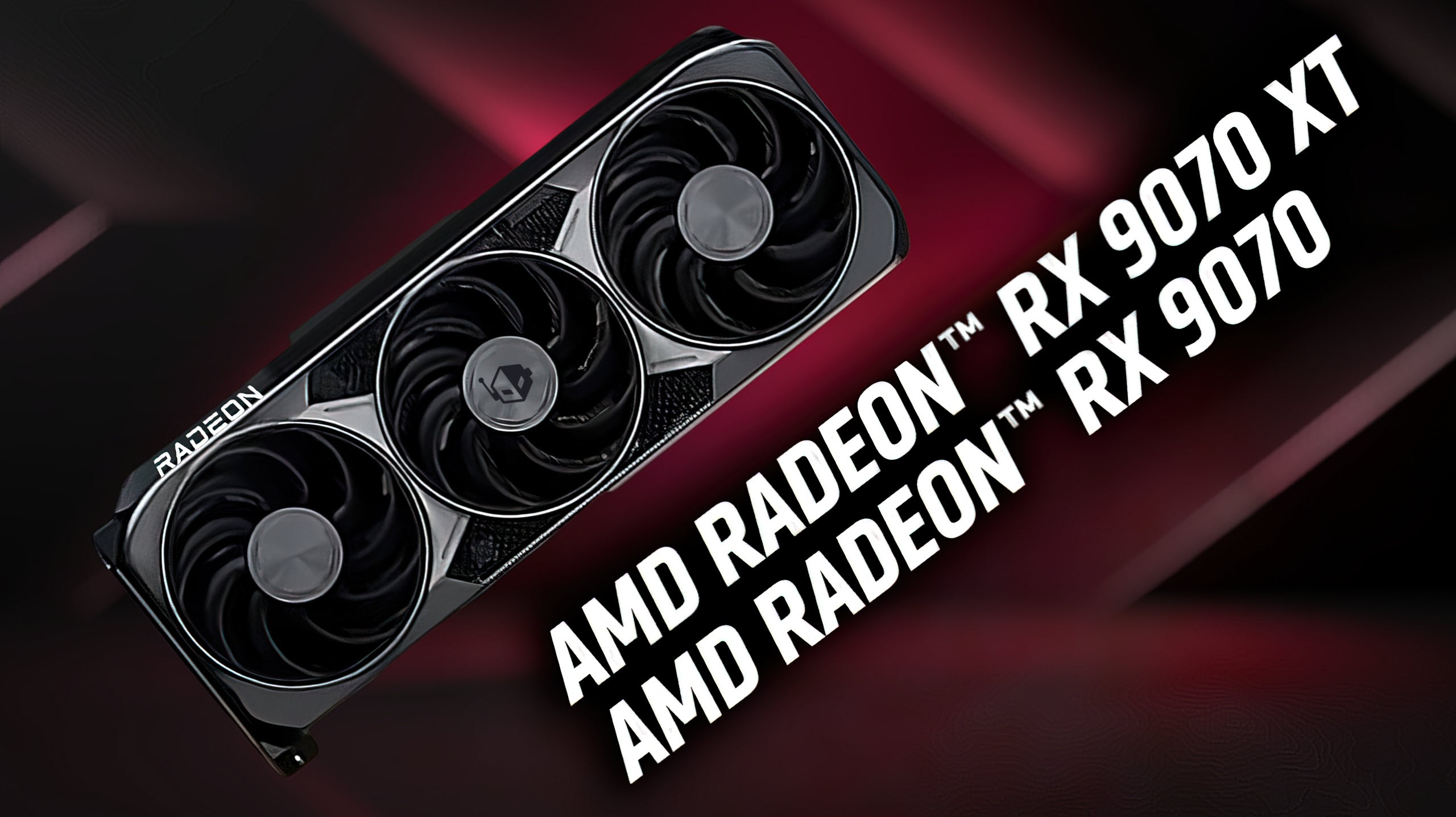
The launch of AMD’s Radeon RX 9070 series has significantly shaken up the GPU market in Japan. AMD has been making impressive strides, quickly gaining ground and reaching a remarkable new high in market share. After the rollout of their RDNA 4 architecture, the brand has seen their graphics cards flying off the shelves, resulting in widespread stock shortages.
For the first time ever, AMD has captured nearly 50% of the GPU market share in Japan. At a recent roundtable discussion, AMD, along with partners like ASRock, ASUS, Gigabyte, and more, expressed their excitement over this achievement. Mr. Yoshiaki Sato from AMD conveyed their delight, noting that AMD had managed to secure a staggering 45% market share, a feat that has set new records.
Despite this success, the demand for AMD GPUs has outstripped supply, leading to limited availability. However, this hasn’t dampened AMD’s ambitions. The company is now setting its sights on expanding its market share to 70%. While NVIDIA still holds a substantial share of the GPU market, AMD’s performance with the RX 9070 series—seen as strong competition against NVIDIA’s RTX 5070—suggests this goal is within reach.
Mr. Sato humorously likened AMD’s current market position to having a majority in politics, stating, “No, we have a majority, we are not an opposition party, let’s aim for 70%. We have never been a ruling party!”
Yet, challenges lie ahead, primarily concerning GPU availability and pricing. As seen recently, some GPU prices have increased significantly, climbing to nearly double the Manufacturer’s Suggested Retail Price (MSRP). Vendors have cited low profit margins on custom cards as a driving factor behind these price hikes. Although market stability is anticipated in the coming weeks, a return to MSRP pricing remains uncertain.
While AMD continues to push forward with ambitious goals, both AMD and NVIDIA face hurdles in addressing these critical issues in the GPU market landscape.


