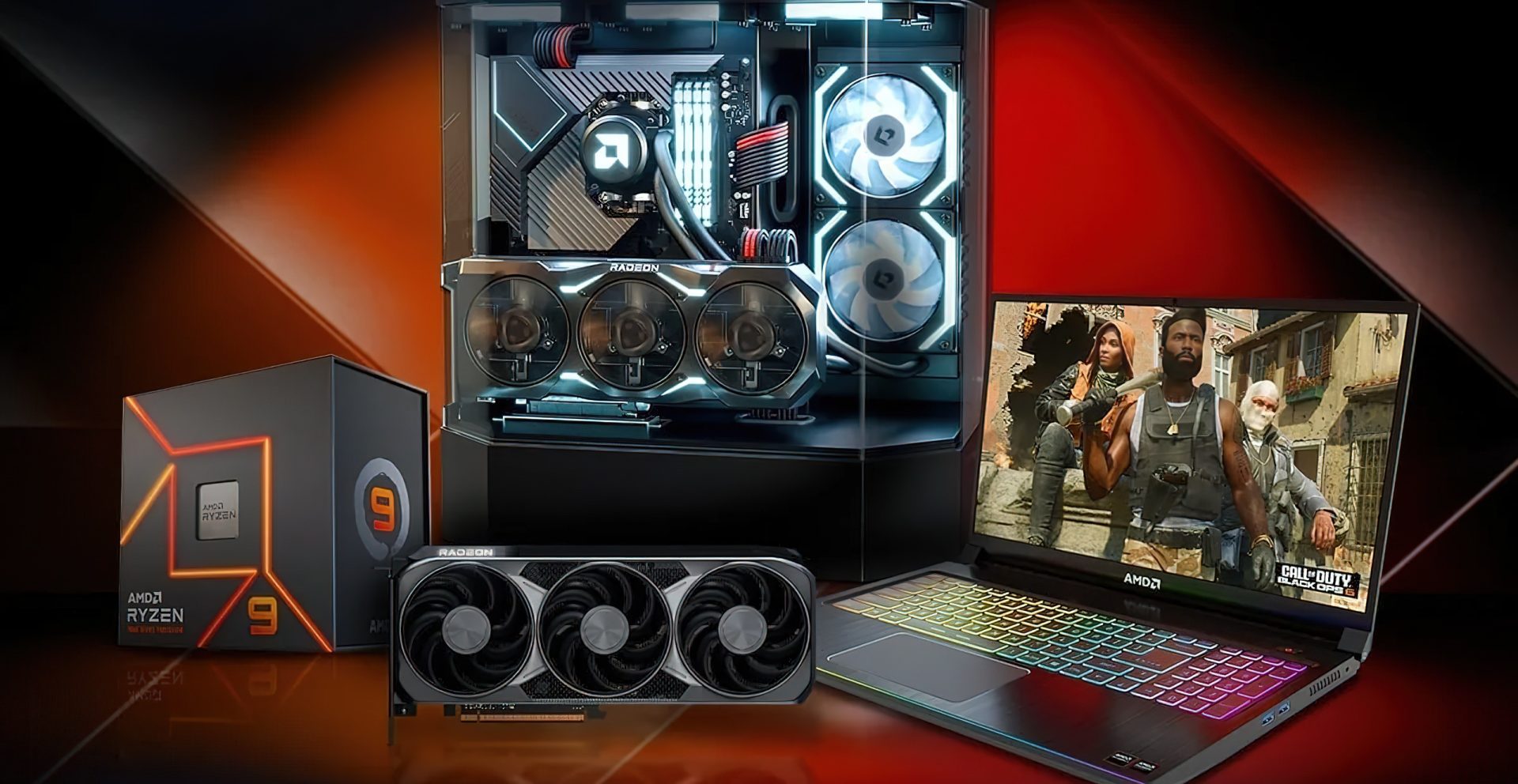
AMD is sounding the alarm for anyone planning a PC upgrade or hoping for better deals on gaming hardware later this year. In its Q1 2026 earnings update, the company said it expects overall PC and gaming demand to decline in the second half of 2026, largely because of a surge in memory and component costs. The main culprit, according to AMD, is what many in the industry are calling a “RAMpocalypse”: rapidly rising RAM prices fueled by soaring demand from the AI sector.
Even with that caution, AMD’s Client and Gaming segment still posted strong year-over-year growth. Revenue for the segment reached $3.94 billion, up 23% compared to the same period last year, though it dipped 9% from the prior quarter. That mixed performance sets the stage for AMD’s message: momentum is there, but higher build costs could cool the market as 2026 progresses.
On the PC side, AMD says its desktop and laptop lineup continues to gain traction thanks to a broad product stack. That includes its newest Ryzen 9000X3D desktop processors aimed at top-tier gaming performance, along with its expanding Ryzen AI laptop portfolio. AMD reports that sell-through for Ryzen Pro systems climbed more than 50% year-over-year, helped by major OEMs expanding their offerings. The company highlighted a split strategy: Ryzen AI 300/400 models targeting the mainstream, and Ryzen AI MAX positioned for higher-end AI and workstation-class laptops.
Looking ahead, AMD expects demand for Ryzen CPUs to remain solid in Q2 2026. The bigger concern is what happens after that. AMD says it is planning for lower PC shipments in the second half of the year because memory and component prices are rising. Industry chatter has already pointed to additional price increases on top of earlier bumps that have landed on consumer memory and related chips, and those increases can ripple through the final cost of both desktop and laptop systems.
AMD CEO Dr. Lisa Su emphasized that the company still expects its client revenue to grow year-over-year and outperform the broader PC market, driven by the strength of Ryzen products and expanding commercial adoption. But the message is clear: even if AMD’s lineup is competitive, customers may buy fewer systems if pricing climbs.
Gaming could take an even harder hit. AMD’s gaming business (which includes Radeon graphics and console-related revenue) saw a 15% sequential decline, and the company now expects second-half gaming revenue to drop more than 20% compared to the first half of 2026. AMD attributes this expected slowdown to the same pressure hitting PCs: higher memory and component costs making devices more expensive to build and potentially less attractive for consumers to buy.
Console pricing is also part of the picture. Both Microsoft and Sony have already announced price increases for their current-generation consoles. If memory and other components become even more expensive in the second half of the year, it raises the possibility of additional pricing pressure across the gaming hardware landscape, including consoles and gaming PCs.
On the supply side, AMD says it’s working closely with memory partners and believes it has secured enough supply to meet — and even exceed — its targets. Still, Dr. Su described the current environment as tight for everyone. The key dynamic is that AI demand is pulling significant memory supply into data center deployments, where budgets and priorities are different than in consumer markets. That shift can leave PCs and gaming devices feeling the squeeze through higher prices, even if supply itself doesn’t completely dry up.
In short, AMD is entering the rest of 2026 with strong products and improving commercial momentum, especially around Ryzen AI and Ryzen Pro systems. But the company expects the “RAMpocalypse” effect — driven by AI-fueled memory demand and broader component inflation — to weigh on PC shipments and gaming demand in the second half of the year. For buyers, that could mean fewer bargains and a market that feels more expensive just as many people would normally expect prices to ease.