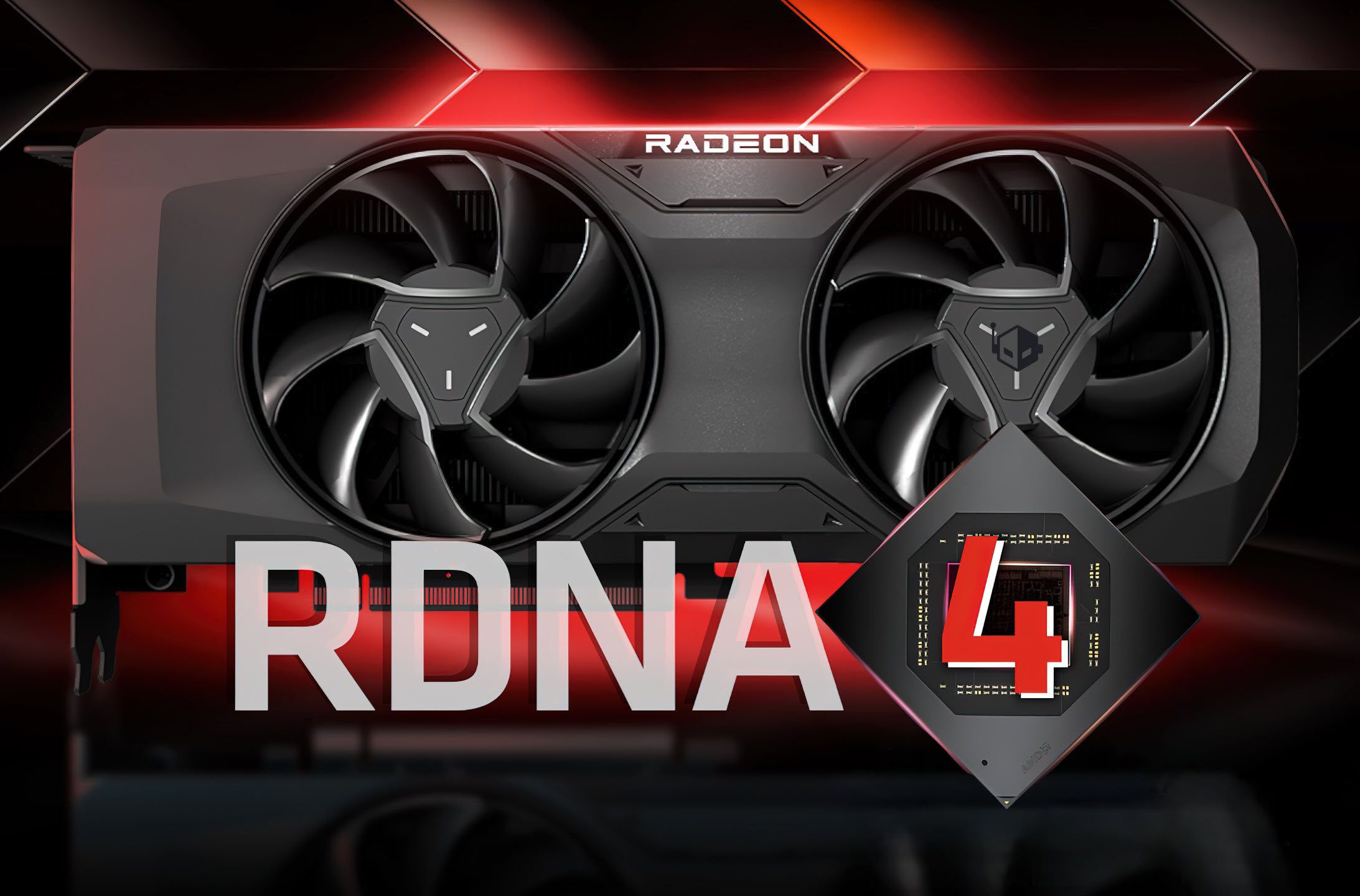
In the ever-evolving landscape of gaming technology, AMD has reportedly decided to pivot its strategy and concentrate on the production of next-generation RDNA 4 gaming GPUs. This shift in focus means that the previously speculated launch of entry-level RDNA 3 graphics processing units (GPUs) will no longer take place.
The Radeon RX 7400 and Radeon RX 7300 GPUs, based on Navi 33 chips and targeted towards the lower end of the market, will not be developed any further. Instead, AMD and its Add-in-Board (AIB) partners have turned their attention to their forthcoming RDNA 4 GPU architecture, indicating a strategic move towards more advanced technological offerings.
As of now, there seems to be no movement towards producing these entry-level RDNA 3 GPUs, which suggests that excitement for RDNA 3 will likely wane. Nonetheless, some original equipment manufacturers (OEMs) may still integrate the RDNA 3 GPUs into pre-built desktop PCs, fulfilling a niche requirement for these products.
With a broader focus on the next-gen Radeon gaming graphics cards built on the RDNA 4 architecture, the tech environment is abuzz with anticipation. It is rumored that the RDNA 4 series, potentially the Radeon RX 8000 range, is slated for a launch by the first quarter of 2025. A formal unveiling is expected around the CES 2025 event, with availability following in the successive months.
The architecture of RDNA 4 promises two primary versions: the high-end Navi 48 and the mainstream Navi 44. Although there were plans for an even more powerful enthusiast chip (Navi 4C/4X), this was also abandoned. Price points for these future GPUs are forecasted to be competitive, with the Navi 48 possibly benchmarking around the $400-$500 range and the Navi 44 potentially being offered below the $350 mark.
The transition comes after a series of less-than-stellar releases for AMD, including the Radeon RX 7600 XT which received a mediocre reception. Despite this, recent price adjustments have improved the standing of these GPUs against competitors like NVIDIA, who have already made waves earlier in 2024 with their “Ada” SUPER series.
While GPU launches have been scarce from AMD this year, they have been proactive on software enhancements, which are presumably laying the groundwork for the up-and-coming RDNA 4 GPUs. The performance of the Radeon Gaming division hasn’t been strong recently, but there are high hopes that the shift to RDNA 4 architecture will help AMD make a significant comeback in the gaming GPU market.
The RDNA generational lineup shows a consistent pattern of innovation and improvement over the years. Here is how AMD GPUs have progressed:
– The Radeon RX 5000 series introduced the RDNA 1 architecture on a 7nm process node.
– Following that, the Radeon RX 6000 with RDNA 2 architecture continued the 7nm trend.
– The Radeon RX 7000 series merged RDNA 3 and RDNA 2 technologies on a 5nm/6nm process.
– The upcoming Radeon RX 8000 range is set to debut RDNA 4, possibly on a future-forward 5nm/3nm? node.
Each generational leap brings more power-efficient and performance-packed GPUs into the gaming fray, with AMD continually aiming to set new benchmarks in the graphics card market.
As we look towards the future of gaming graphics with RDNA 4, those looking to upgrade their gaming systems may want to hold off on current models in anticipation of the advanced capabilities these next-gen GPUs are expected to offer. With a blend of performance improvements and architecture efficiencies, gamers and tech enthusiasts alike have much to look forward to from AMD’s GPU division.