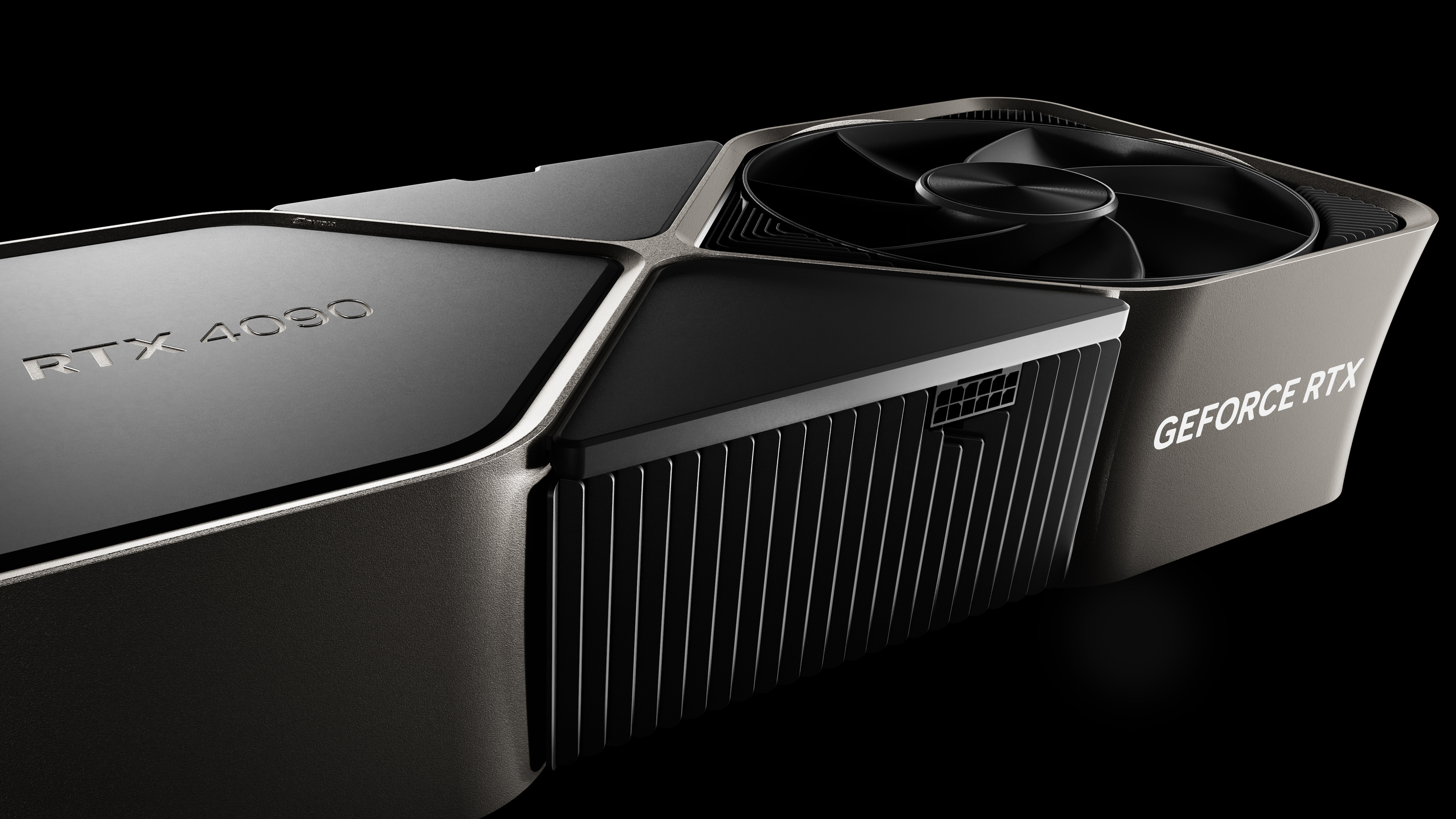
In the bustling world of computer graphics technology, it’s not uncommon to witness the evolution of hardware to meet the increasing demands of modern applications. Recent reports indicate that the Chinese market has been acquainted with two modified graphics cards that pack significantly enhanced memory capabilities. These cards are the Geforce RTX 4090 D, boasting 48 GB of RAM, and the Geforce RTX 4080 Super, equipped with 32 GB of RAM. These modifications cater to professionals working with AI model training, where expansive video memory is crucial for more efficient processing.
These unique versions of Nvidia’s cards were first pointed out when a cloud computing client in the region came across these options while seeking out computing power for AI tasks. The doubling of the standard video memory is the headline feature of both these cards. Despite the lack of detailed performance data or visual confirmation of the cards themselves, logs confirm the existence of the RTX 4090 D and RTX 4080 Super with the mentioned memory sizes.
To accommodate such memory expansion, a modified circuit board design is used, allowing for a greater number of memory chips. Given that the 2 GB GDDR6X chips used are already the largest available for these formats, the modifications likely involve installing memory modules on both sides of the PCB, a strategy Nvidia employs for their workstation models. This marks the first instance of such an adaptation to an Ada Lovelace card.
The RTX 4090 D, in particular, is a tailored variant for the Chinese market, devised to align with US trade restrictions. It consequently has fewer shader units compared to the standard RTX 4090, and lacks overclocking capabilities. Yet, these tweaked models seem to bypass trade embargoes and are reported to be available for purchase in China, with the RTX 4090 D fetching a price tag of around $2,500.
These developments highlight an intriguing trend in the graphics card market where modified hardware can meet specific regional demands. For professionals engaged in intensive GPU-centric applications like AI, the availability of such customized GPUs could offer a suite of benefits including increased performance and enhanced memory for complex computations. However, potential buyers should be mindful of the legal implications regarding the purchase of such modified hardware, especially if it involves circumventing trade regulations.
As the IT and AI landscapes continue to advance, the necessity for higher memory capacities in GPUs will likely persist. The appearance of these modified GPUs may open up a dialogue about the future of graphics cards and their configurations as users seek to push the boundaries of what’s possible in their computational endeavors. Whether for gaming, professional development, or research, the implications of expanded video RAM are far-reaching, providing a springboard for users to venture into more ambitious computing tasks with the resources to back them up.