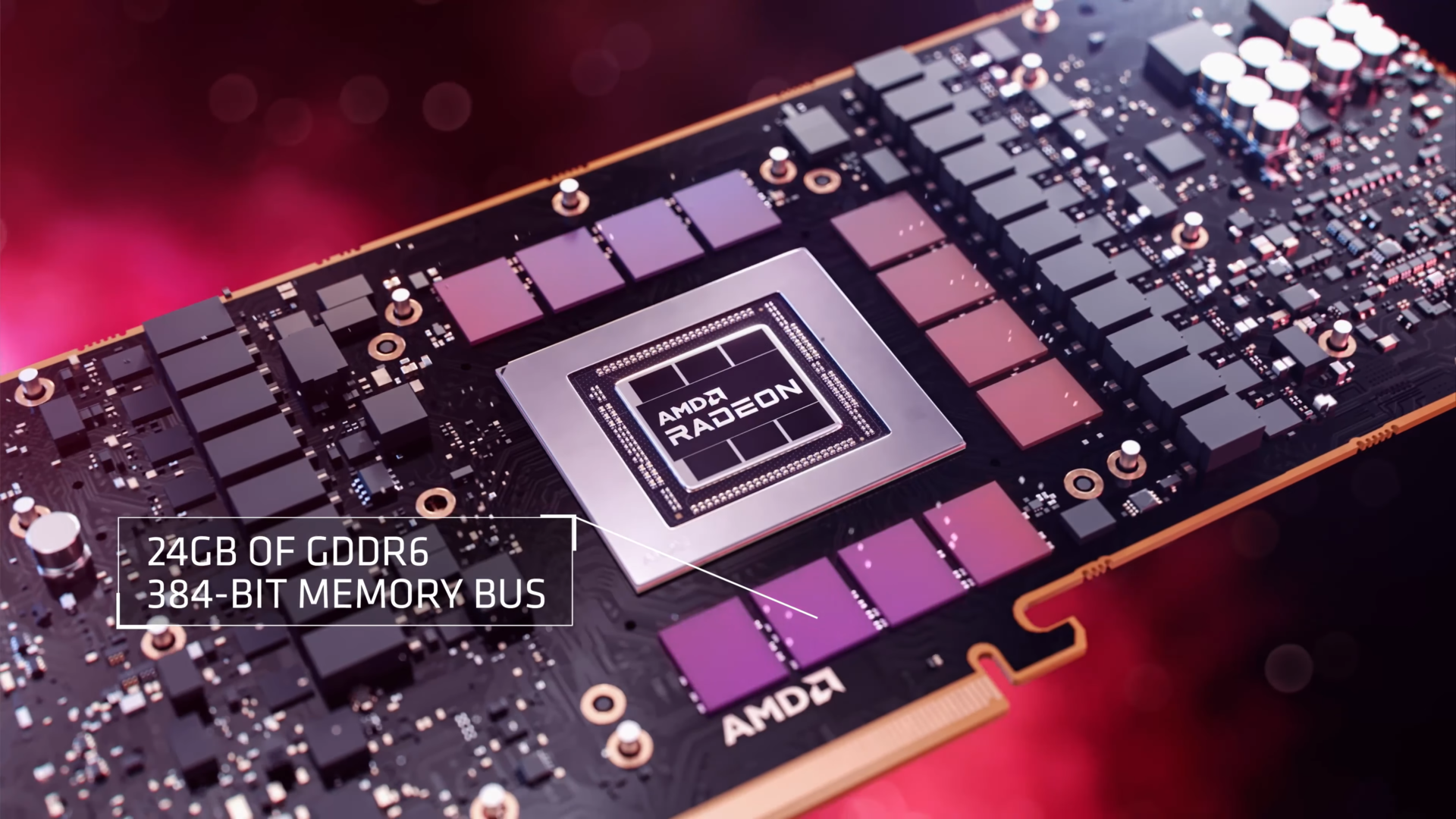
AMD’s latest GPU price pressure may soon be felt by gamers and PC builders, as rising GDDR6 memory costs are reportedly pushing Radeon graphics card prices higher. The increase is expected to affect several Radeon GPU generations, but the biggest impact will likely land on AMD’s current RDNA 4-based Radeon RX 9000 series.
According to industry reports, AMD has raised GDDR6 memory pricing for its graphics card board partners starting October 1. Since board partners rely on AMD-supplied components to produce custom Radeon graphics cards, the added cost may eventually be passed down to retailers and consumers. In simple terms, Radeon GPUs using GDDR6 memory could become more expensive in the coming weeks or months.
GDDR6 memory is widely used across multiple AMD graphics card families, including the Radeon RX 5000, RX 6000, RX 7000, and the newer Radeon RX 9000 lineup. However, older generations are either discontinued or being produced in smaller quantities, meaning the Radeon RX 9000 series is expected to feel the strongest effect from the latest price adjustment.
Memory pricing has become one of the biggest reasons behind recent graphics card cost increases. As demand rises and supply conditions shift, memory chips can become more expensive for manufacturers. But GDDR6 is not the only component adding pressure to GPU pricing. Reports also suggest that other materials, including SMD components and printed circuit boards, have also seen price increases. These parts are essential for graphics card production, and even small cost jumps can add up quickly across an entire GPU model.
For buyers, this means that the final retail price of Radeon graphics cards could climb even if the GPU chip itself has not changed. Board partners may have to adjust pricing on custom models to protect margins, especially on cards with larger memory capacities. Models with more VRAM could be more vulnerable to price increases because they require more memory chips.
The Radeon RX 9000 series may be particularly important to watch. AMD’s RDNA 4 lineup has been positioned as a strong option for gamers looking for modern performance, improved efficiency, and competitive pricing. If GDDR6 costs continue to rise, that price advantage could become harder to maintain, especially in regions where GPU prices are already sensitive to taxes, import costs, and currency changes.
Meanwhile, NVIDIA appears to be in a different situation. Its latest RTX 50 series graphics cards use GDDR7 memory, which is already more expensive than GDDR6. Because of this, RTX 50 series GPUs have already seen higher pricing compared with previous generations. Current reports suggest NVIDIA has not yet notified partners of an additional memory price increase, and it may avoid another adjustment before the end of the year.
Still, the broader graphics card market remains under pressure. Rising memory prices, higher component costs, and expensive board materials can all contribute to higher retail prices. This creates a challenging environment for PC gamers, creators, and system builders hoping for more affordable GPU upgrades.
For anyone planning to buy a new Radeon graphics card, the next few weeks could be important. If board partners begin applying the increased memory costs to retail products, prices may rise across selected Radeon RX 9000 models first, followed by any remaining GDDR6-based RX 7000 cards still available in the market.
The key takeaway is clear: AMD’s GDDR6 memory price hike could make Radeon GPUs more expensive, with RDNA 4 graphics cards likely facing the most immediate impact. Buyers looking for the best value may want to keep a close eye on current Radeon GPU pricing before the latest cost increases reach store shelves.