AMD Adds Ryzen AI Max PRO 400 Support in ROCm 7.14 Ahead of Launch
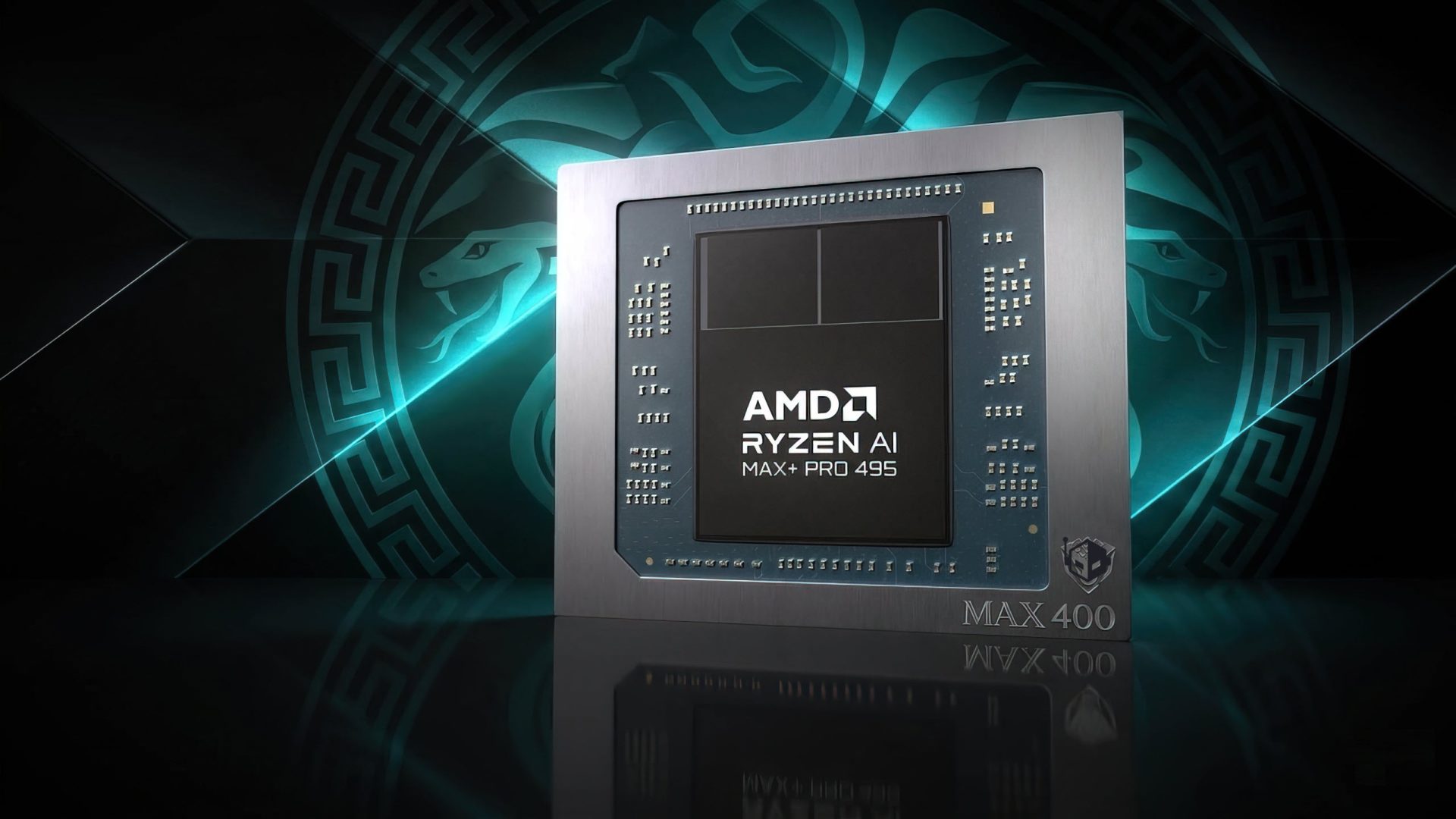
AMD is preparing the ground for its upcoming Ryzen AI Max PRO 400 series, also known as Gorgon Halo Pro, by adding official support for the chips in its latest ROCm 7.14 software stack. The move gives AI developers, workstation users, and high-performance computing professionals an early advantage before the processors officially arrive on the market.
The new ROCm 7.14 update confirms support for upcoming processors such as the Ryzen AI Max+ PRO 495, Ryzen AI Max PRO 490, and Ryzen AI Max PRO 485. By enabling software compatibility ahead of launch, AMD is making it easier for developers to start optimizing applications for the new platform instead of waiting until the hardware becomes widely available.
ROCm is AMD’s open-source software platform for artificial intelligence, GPU computing, and high-performance workloads. It includes the tools and libraries developers need to build and run advanced applications, from machine learning models to scientific simulations and content creation workflows. With ROCm 7.14, AMD is extending this ecosystem to the Ryzen AI Max PRO 400 lineup, bringing optimized libraries, AI frameworks, profiling utilities, and GPU compute support to the upcoming processors.
This is especially important as AI workloads continue to expand across professional laptops, compact workstations, and enterprise systems. The Ryzen AI Max PRO 400 series is expected to target users who need strong CPU, GPU, and AI performance in a single platform. Early ROCm support suggests AMD wants the software ecosystem to be ready as soon as the chips launch.
The update also improves support for developer tools. AMD’s ROCm Systems Profiler and ROCm Compute Profiler now support Ryzen AI Max PRO platforms, giving developers better visibility into how their applications perform on the new hardware. The Compute Profiler also adds compatibility support for Strix Halo and Strix Point chips, further expanding AMD’s software coverage across its latest processor families.
Another useful improvement comes through AMD’s System Management Interface, commonly known as SMI. With the enhanced SMI tools, developers can monitor key hardware metrics directly from the command line. This includes GPU utilization, memory usage, temperatures, power consumption, and other performance data. For developers working on AI models, compute-heavy applications, or performance tuning, these monitoring features can make optimization much easier.
ROCm 7.14 also brings support for newer versions of popular AI frameworks, including PyTorch 2.12 and JAX 0.10.0. This means developers working with AMD hardware can access updated AI features and framework improvements without waiting for another major software release. For machine learning teams, this can help speed up development and testing on AMD-powered systems.
The timing of this update is notable. By rolling out software support before the Ryzen AI Max PRO 400 series officially launches, AMD is signaling that it wants the platform to be ready for professional AI and compute workloads from day one. This approach could help the Gorgon Halo Pro lineup gain traction among developers, researchers, and enterprise users who depend on stable software support as much as raw hardware performance.
With ROCm 7.14, AMD is not only preparing for a new processor launch but also strengthening its broader AI computing strategy. As demand for local AI processing continues to grow, strong software support will be essential for making new chips useful in real-world workloads. The Ryzen AI Max PRO 400 series now appears one step closer to release, and developers already have the tools needed to start preparing for it.