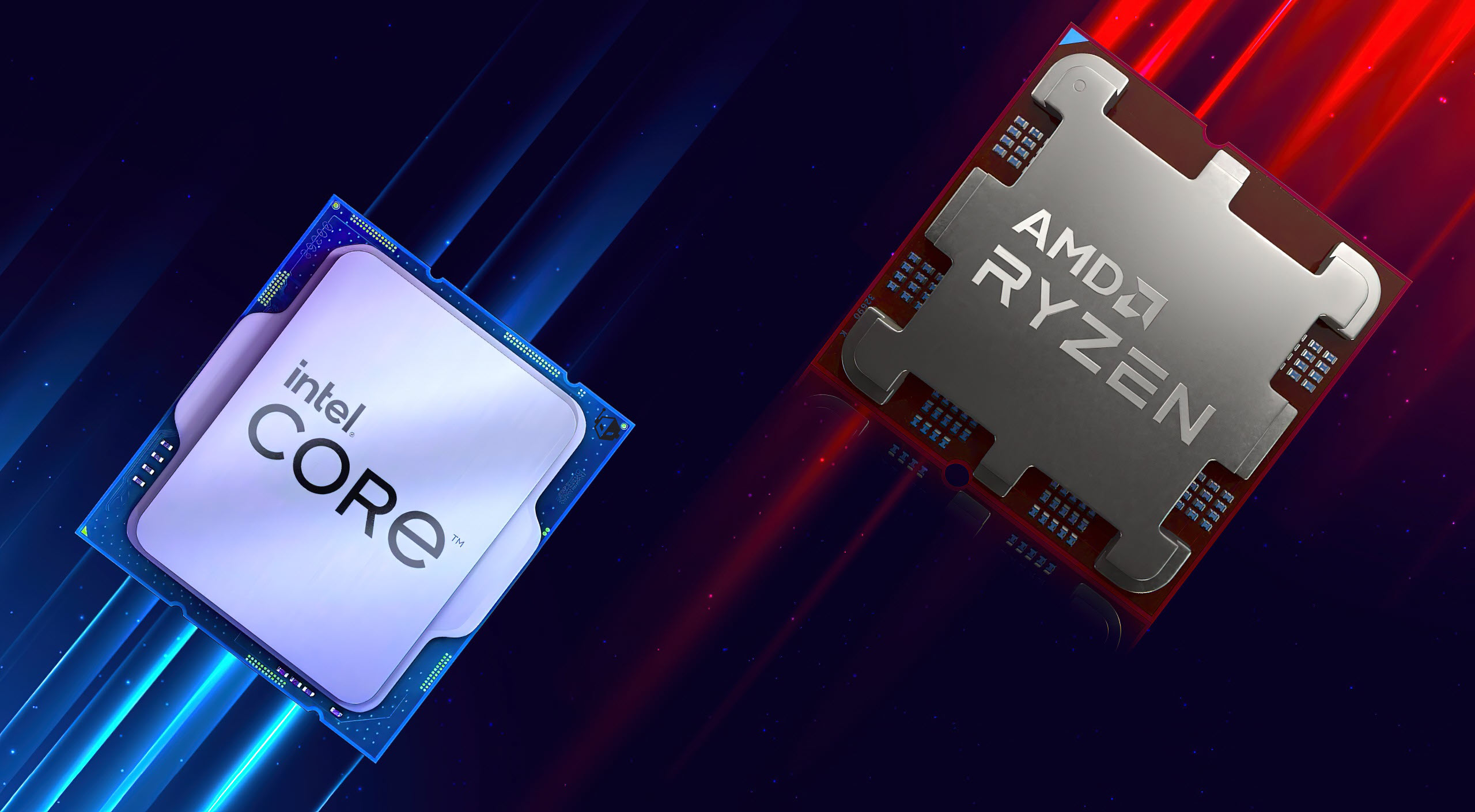
Intel, traditionally a powerhouse in the CPU industry, is facing a significant shift in its global stronghold, particularly in China. This change is being driven by a slow decline in the performance of its recent generations of desktop CPUs, which have left many consumers underwhelmed.
The landscape in China, once dominated by Intel, is experiencing a remarkable transformation as AMD steadily gains ground. Reports suggest that AMD’s market share has surged to an impressive 50%, an accomplishment that would have seemed unlikely in Intel’s previously uncontested territory.
Intel’s “Core Ultra 200S” Arrow Lake lineup has fallen short of its initial promises. The actual performance has not matched the pre-launch hype, leading to consumer dissatisfaction. Even though Intel attempted to patch these shortcomings through updates and new microcode, the efforts seemed to have made little impact in swaying public perception.
Adding to their woes, Intel’s Raptor Lake Refresh series faced its own setbacks with notable CPU instability issues. This forced Intel into costly RMA services to address the shortcomings. Such incidents not only eroded consumer trust but also paved the way for AMD to step in as a more reliable alternative.
On the flip side, AMD’s introduction of the Zen 5 series, particularly the Ryzen 9000 lineup and its advanced X3D models, have captivated Chinese consumers. Recognizing AMD’s dedication to performance and innovation, many have shifted their allegiance to Team Red. This has resulted in AMD capturing half of the Chinese market, a significant blow to Intel.
The declining adoption rate of Intel CPUs is also affecting motherboard sales, which have concurrently hit a low. This underlines the scale of Intel’s struggles in maintaining its foothold in a vital market.
With AMD continuing to lure consumers with powerful offerings, it’s evident that Intel faces formidable challenges in reclaiming its market leadership. This evolving dynamic could potentially reshape not just the Chinese market but have broader implications globally for both companies.