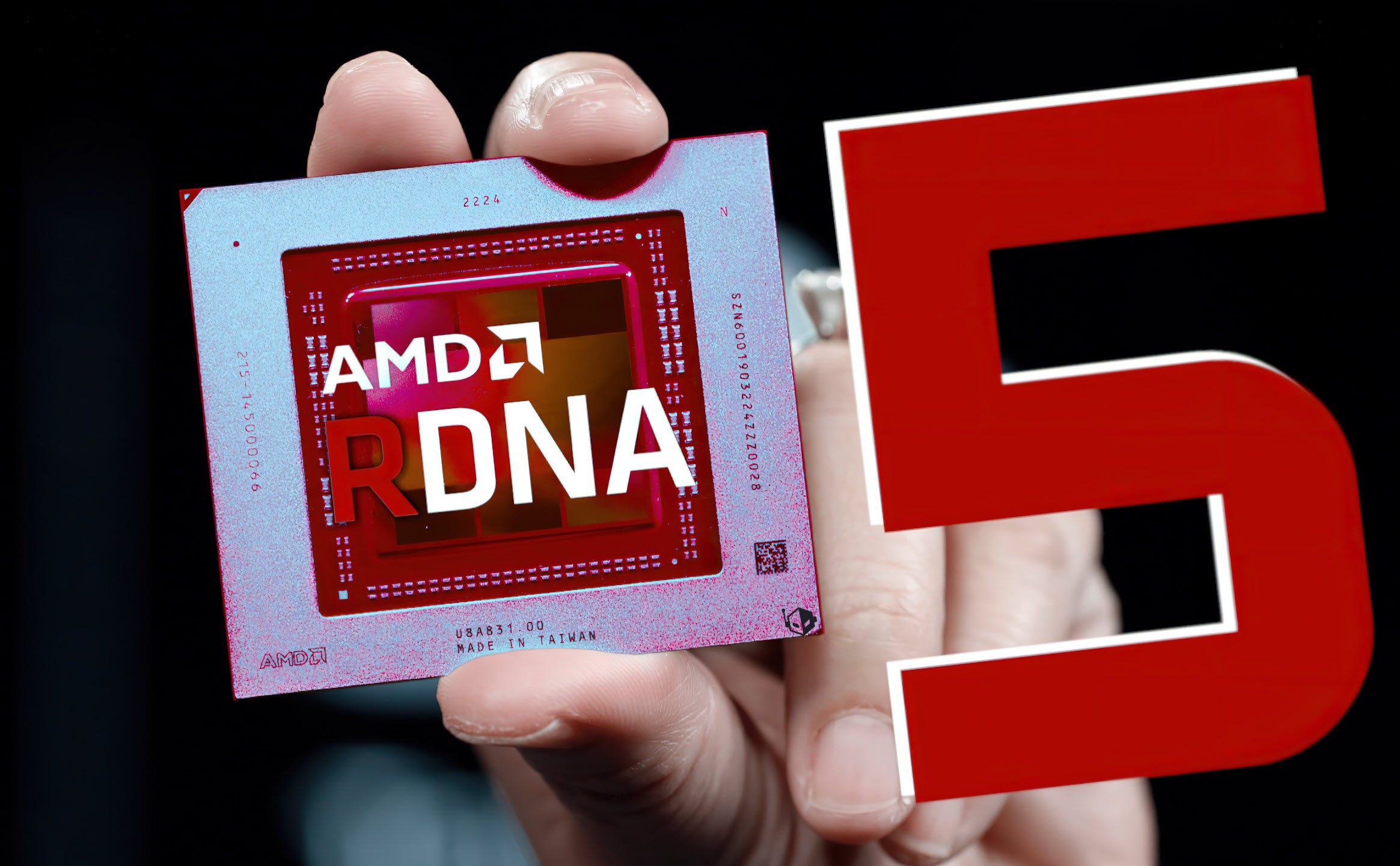
AMD has been delving into a revolutionary design space for its next-generation RDNA architectures. Recently filed patents suggest the company is considering a departure from standard monolithic GPU structures in favor of a novel “multi-chiplet” approach. This concept, which involves using three dedicated dies, could redefine the way graphics processing units are constructed and operated.
Traditionally, GPUs have been built around a single, large die. However, as chipmakers face the limits of monolithic designs, particularly when it comes to enhancing performance and managing heat, multi-chiplet modules (MCM) are becoming an increasingly attractive alternative.
AMD is not new to the world of multi-chiplet designs. Their Instinct MI200 AI accelerators were pioneers in this area, featuring an MCM design with multiple chiplets within a single package. Furthermore, AMD’s recent RDNA 3 architecture, notably Navi 31, incorporated an MCM solution. This patent reveals AMD’s ambition to fully integrate this concept into the RDNA architectures, potentially overhauling traditional GPU design.
The patented design outlines three “modes” of chiplet utilization:
– The “single GPU mode” mimics current GPU behavior, with all chiplets acting collaboratively as a unified processing entity.
– The “independency mode” allows individual chiplets to function autonomously, managed by a dedicated front-end die that schedules tasks for its associated shader engine dies.
– The “hybrid mode” combines the advantages of both, enabling chiplets to operate individually or conjointly, thus optimizing scalability and resource efficiency.
The specifics of AMD’s approach with their MCM design remain under wraps, meaning it’s unclear whether these innovations will be adopted in upcoming products. However, it is apparent that multi-chiplet configurations, while presenting production complexities and higher costs due to the sophisticated equipment and processes required, offer the promise of performance improvements and flexibility.
By segmenting the GPU into numerous chiplets, the processing system can be configured more flexibly and cost-effectively, tailoring the amount of active GPU resources to the chosen operating mode. Furthermore, GPUs with varying chiplet counts can be created with fewer tape-outs, and a GPU that incorporates different technology generations can be assembled using these chiplets.
As it stands, AMD’s consumer GPU offerings do not include a genuine multi-GPU die solution. Their Navi 31 GPUs, despite integrating the infinity cache and memory controllers into a chiplet package, still rely on a single Graphics Compute Die (GCD). Nonetheless, it’s anticipated that future RDNA architectures might embrace a more extensive use of the multi-chiplet design, potentially featuring multiple GCDs with dedicated Shader Engine blocks. Plans for a multi-GCD GPU have been hinted at for the RDNA 4 lineup but were allegedly shelved in favor of maintaining the existing monolithic approach. There’s a chance such designs could make a comeback with the forthcoming RDNA 5 technology.
Advanced equipment and ever-evolving technology countenance greater adoption of MCM designs. As AMD has already forged a path with its multi-chiplet experiments, it’s plausible that we might see this innovative thinking manifest in the transition of future RDNA architectures away from conventional monolithic designs.