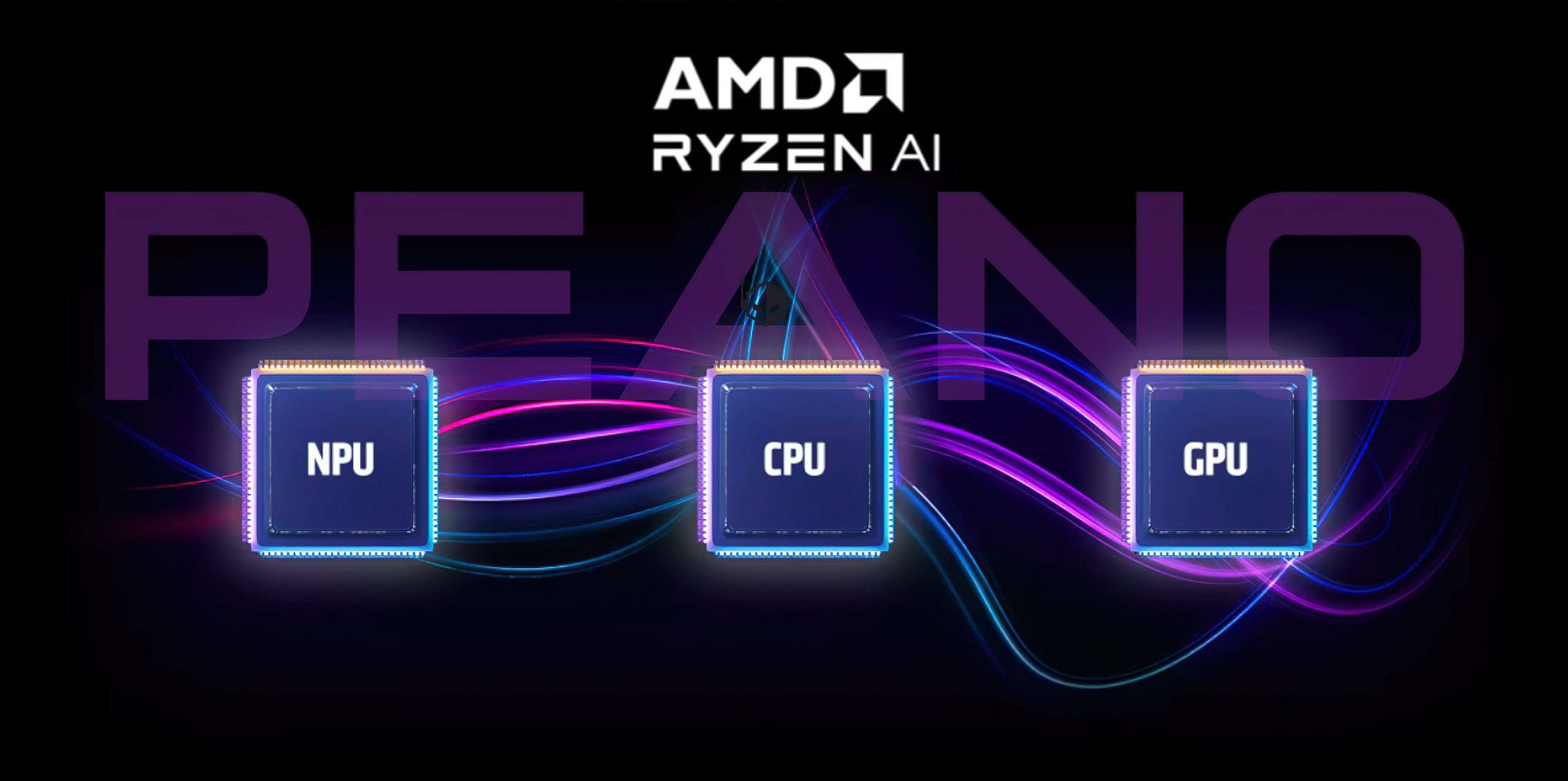
AMD Introduces Peano, A New Open-Source Compiler for AI
Advanced Micro Devices (AMD) is taking a significant step forward in the field of artificial intelligence (AI) by unveiling Peano, an innovative open-source Low-Level Virtual Machine (LLVM) compiler specifically tailored for its Ryzen AI engines. This notable advancement is aimed at invigorating the adoption of AMD’s cutting-edge AI Neural Processing Units (NPUs) and engines, particularly within the Linux environment.
AI technologies are swiftly making their way into the personal computing arena, prompting many companies to invest in dedicated AI engines or NPUs to enhance computing performance. AMD has recognized this trend and is actively contributing to it with the release of Peano, a project that emphasizes their commitment to accelerating AI capabilities on Ryzen processors.
The central focus of the Peano project is to optimize the efficiency of Ryzen’s AI engines, enabling developers to capitalize on existing programming languages and tools. This specialized LLVM compiler will facilitate more effective resource utilization and empower developers to create applications that maximize the AI engines’ performance.
According to AMD’s Stephen Neuendorffer, Peano is an LLVM backend specifically for AMD/Xilinx AI Engine processors found in a variety of devices, including RyzenAI Systems on Chips (SoCs). While currently focused on the AIE2 architecture associated with the XDNA accelerators in Phoenix and Hawk Point devices, the compilers’ support extends only to a single processor. Broader device support is available through open-source tools based on Multi-Level Intermediate Representation (MLIR).
As of now, the Peano LLVM compiler is compatible with AMD’s Phoenix and Hawk Point devices, with plans to expand support to the forthcoming Ryzen AI 300 series APUs. The open-source nature of Peano signifies a major development for the Ryzen AI engines, as it promises to accelerate the platform’s growth and the adoption of a more comprehensive ecosystem.
Despite AMD’s progress, it’s important to recognize that Intel, one of their main competitors, has already introduced its IVPU kernel driver alongside the launch of the Meteor Lake series. This positions AMD a step behind in the race for ecosystem enablement.
Looking ahead, the role of dedicated AI engines, such as AMD’s XDNA and Intel’s VPUs, is expected to be instrumental in defining the trajectory of computing markets. The emergence of the AI PC narrative, with a greater focus on integrated AI technologies within personal computing systems, is already reshaping the nature of computing experiences for users.
AMD’s commitment to advancing AI technologies through projects like Peano will not only strengthen the capabilities of their processors but is also likely to catalyze the innovation and integration of AI functionalities across various computing platforms. The open-source community, alongside hardware manufacturers, is poised to witness significant developments as these AI engines become more embedded in mainstream computing architectures.