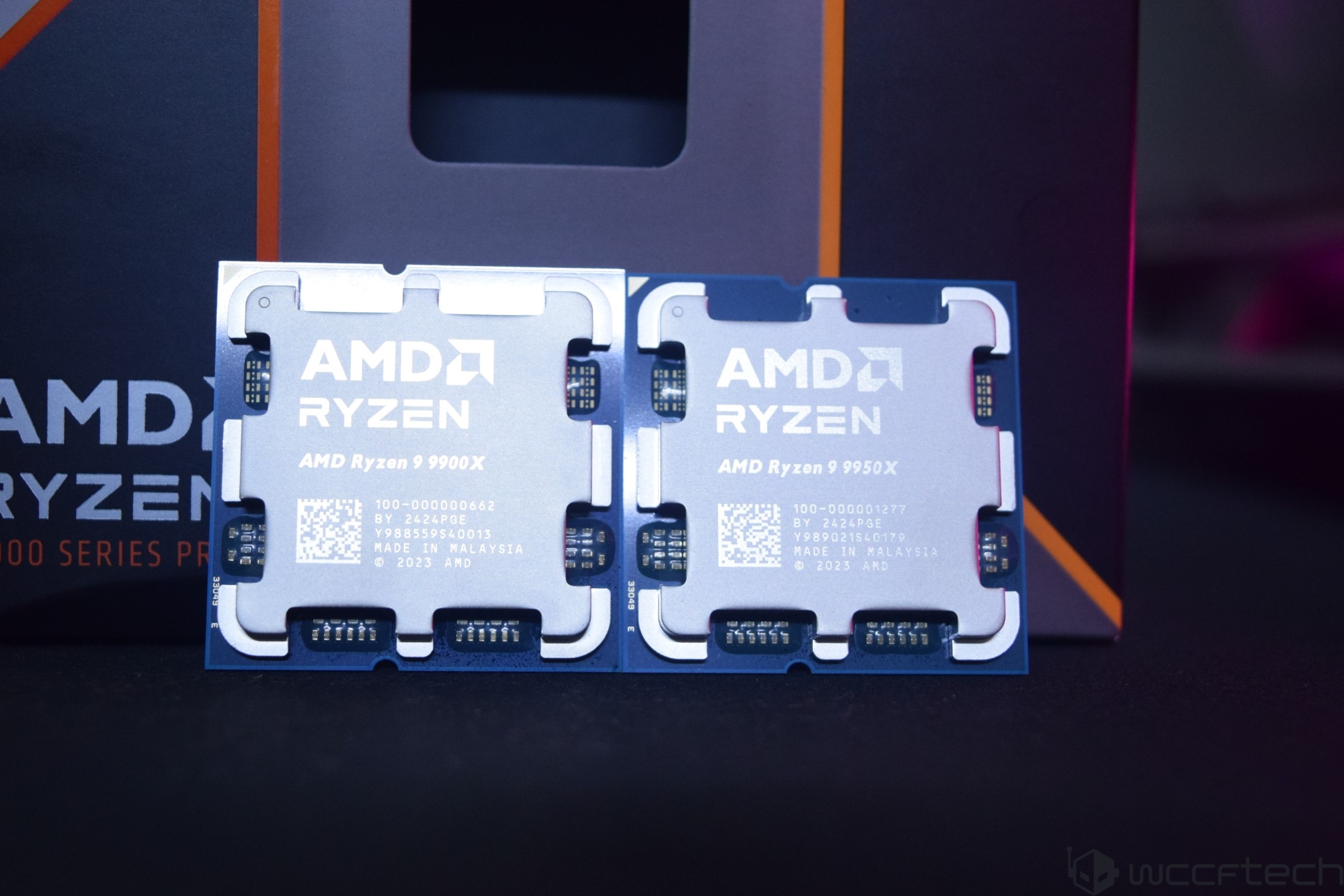
AMD has released substantial updates regarding the gaming performance of its Ryzen 9000 series CPUs, indicating that they are now on par with Intel’s 14th Gen processors. To further optimize their CPUs’ gaming performance, AMD is planning a branch prediction code update that is anticipated to provide a significant boost to gaming applications.
Initial Gaming Performance Concerns and AMD’s Response
Upon release, the AMD Ryzen 9000 series, based on the “Zen 5” architecture, was scrutinized for its gaming performance. According to some findings, there seemed to be a disparity between AMD’s reported testing results and those observed by external reviewers. AMD’s internal benchmarks suggested a 9% average performance uplift over their “Zen 4” CPUs and a 6% uplift when compared to Intel’s 14th Gen CPUs, considering tests averaged from more than 30 games.
AMD explained that the benchmarking had been performed using in-game tools, which may not always reflect the actual gameplay experience where more CPU and GPU resources could be demanded. This clarification aimed to resolve the confusion around the differences in performance reviews.
Testing Protocols and Performance Parity
In its detailed testing protocols, AMD indicated that DDR5-6000 memory was used for both their own and Intel’s CPUs, aligning with Intel’s default profile recommendations. However, with subsequent BIOS updates from Intel addressing stability issues, AMD’s latest testing, which included DDR5-7200 memory for Intel CPUs and enabled maximum power profiles, demonstrated performance parity between the Ryzen 9000 series and Intel’s counterparts.
Moreover, AMD included the effects of Virtualization-based Security (VBS) in their testing, which is enabled by default in Windows environments but may impact gaming performance. Despite this, the AMD Ryzen 9000 CPUs showed a 10% improvement in creative and productivity tasks, a 25% boost in AI workloads, and a 5-8% increase in gaming performance compared to the preceding Ryzen 7000 series.
Against Intel’s 14th Gen CPUs, the Ryzen 9000 series maintained a significant lead in productivity and creative applications, a 30% advantage in AI workloads, and comparable gaming performance. This comprehensive testing regime helps to deliver a more accurate representation of the CPUs’ capabilities under various scenarios.
Optimized Branch Prediction and Upcoming Patch
Central to the architecture of the “Zen 5” series is an enhanced branch prediction capability. AMD found that its automated test methodology, executed in “Admin” mode, showed higher performance due to branch prediction code optimizations. Now, AMD is collaborating with Microsoft to release a new update to Windows 11 (Release Preview Channel – Build 26100), which is expected to improve gaming performance by up to 13% through these optimizations.
Initial benchmarks reflecting the potential improvement through this branch prediction update showcased varying performance gains, including a notable 13% increase in “Far Cry 6” and a 6% gain in the “Procyon Office” benchmark. The update is designed to activate the enhanced branch prediction in the standard Windows 11 mode, which is more commonly used by gamers, as opposed to the less typical “Admin” mode.
AMD also indicated efforts to develop new chipset drivers to address “Core Parking” concerns. These enhancements will not only benefit the Ryzen 9000 series but also the preceding Ryzen 7000 and 5000 series.
Additionally, it was noted by reviewers that a fresh install of Windows could lead to improved performance, reinforcing the notion that a clean system can enhance CPU operations regardless of the brand.
Forward Momentum by AMD
The proactive approach demonstrated by AMD reflects the company’s commitment to improving their products’ performance and providing gamers with realistic, achievable results in real-world usage. As a consumer, it is reassuring to know that AMD is dedicated to refining its testing procedures and offering performance updates that maximize the potential of their CPUs across various workloads and applications.