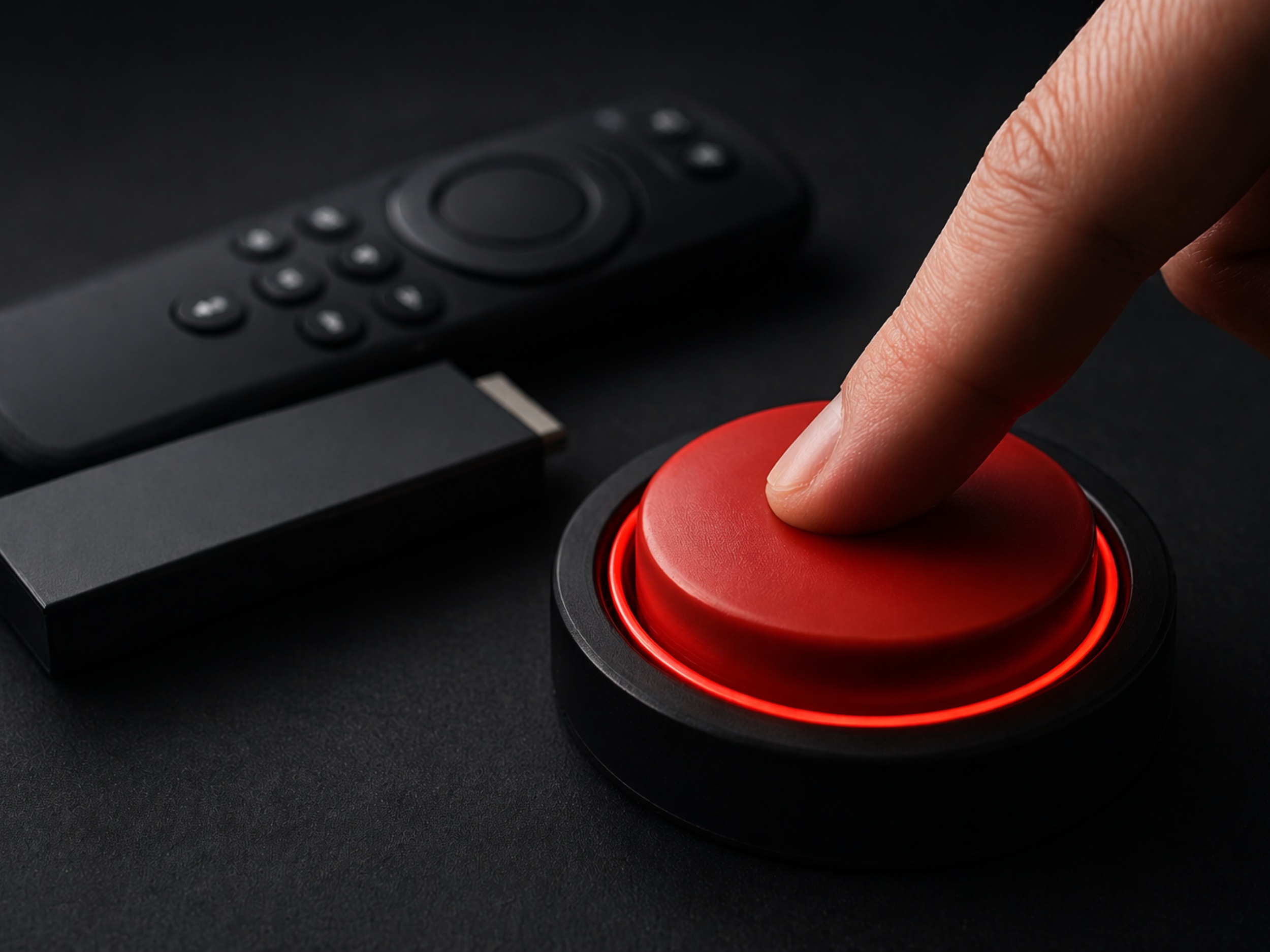
Amazon is being taken to court in the United States over claims that older Fire TV Stick models were quietly left behind, leaving some customers with streaming devices that no longer work the way they reasonably expected.
A class action lawsuit accuses Amazon of effectively devaluing first- and second-generation Fire TV Sticks by ending software support without making that timeline clear enough at the time of purchase. The complaint isn’t focused on physical defects or broken hardware. Instead, it argues that once software support fades out, a streaming stick can lose core functionality anyway—apps may stop working properly, performance can become sluggish, and everyday features can deteriorate to the point where the device is “barely usable.”
The lawsuit points to a growing consumer reality: it’s not just smartphones and tablets where update policies matter. Streaming sticks also rely heavily on ongoing software and app compatibility. Without continued support, the device may still power on, but the experience users bought it for—smooth streaming and reliable app access—can gradually disappear.
According to the filing, software support for the first-generation Fire TV Stick allegedly ended in December 2022, with second-generation support ending shortly after. The plaintiffs claim Amazon gave customers the impression that support would continue until 2024, and that this gap between expectation and reality is central to the case. If proven, the argument suggests customers weren’t properly informed about how long their Fire TV Stick would remain fully functional, which influenced purchasing decisions.
One customer at the center of the case reportedly bought two second-generation Fire TV Sticks in 2018. Over time, the devices allegedly became slower and increasingly difficult to use, until he ultimately replaced them with newer models in 2024.
The complaint also frames the situation as an example of planned obsolescence—where a product doesn’t need to physically fail to become useless. If critical software support ends and app performance collapses, the device’s practical value can drop sharply, even though the hardware itself hasn’t “broken.”
So far, Amazon has not made a public statement about the lawsuit, and it’s unclear how the case will unfold. It’s also uncertain whether Amazon would offer remedies such as replacements or credits if the plaintiffs succeed.
The lawsuit is drawing comparisons to a previous Amazon situation involving the Cloud Cam, where shutting down a key service meant the product could no longer function as intended. In that earlier case, some users were offered replacement options. Whether anything similar could happen for affected Fire TV Stick owners remains to be seen.
For consumers, the bigger takeaway is simple: when buying a streaming device, long-term usability can depend as much on software support as on the hardware price tag. Checking update and support expectations may now be just as important for streaming sticks as it is for phones and tablets.