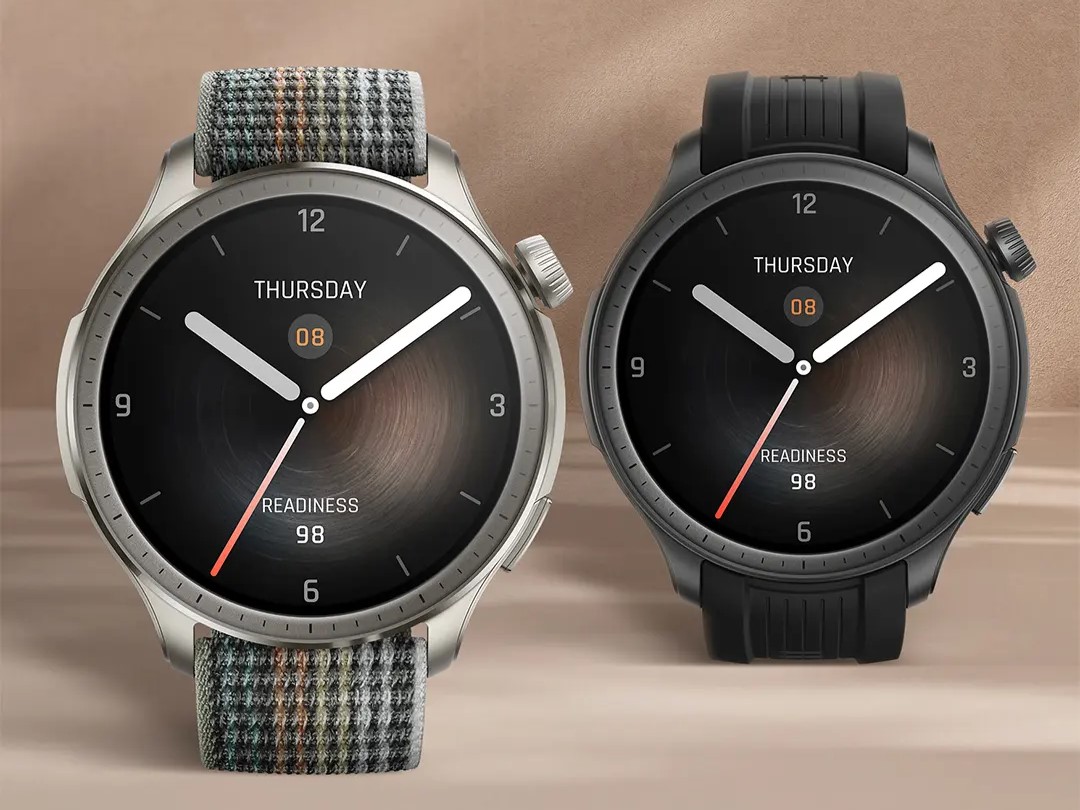
Amazfit, a notable player in the smartwatch industry, has begun trials of an innovative blood pressure measurement tool on its Balance smartwatch. This new feature is designed to offer users the convenience of tracking their systolic and diastolic blood pressure directly from their wrists. While this functionality mirrors that found in devices like the Samsung Galaxy Watch, it is essential to clarify that the Amazfit Balance smartwatch does not hold a medical certification.
The newly-introduced blood pressure feature has been revealed through a YouTube video by a user known for showcasing health-tracking tools. On the smartwatch, the feature is integrated into a dedicated app that displays the most recent blood pressure measurement, along with the date and time it was taken. To commence a fresh reading, users are advised to tighten the wristband and reminded via a disclaimer about the non-medical certification of the device. The process lasts for thirty seconds and involves prompts for users to keep their arm still and placed flat on a surface. Upon completion, the app presents users with their blood pressure statistics and heart rate, and also allows access to a log of past readings.
The blood pressure measurement tool is said to require initial calibration using a traditional blood pressure cuff, and to ensure accuracy, it is suggested that users regularly recalibrate the sensors. Ongoing testing of this feature by Amazfit encompasses a select user base located in countries such as China, Malaysia, and Brazil. The timeline for a broader release of the blood pressure checking functionality to all users of the Amazfit Balance smartwatch remains undisclosed.
Despite the excitement around this health-centric innovation, users should remain mindful that this tool is intended to provide general wellness insights and should not replace medical equipment or professional healthcare advice. Individuals interested in utilizing this feature might benefit from its ease of use, the ability to monitor blood pressure trends over time, and the potential to identify signs that warrant a more thorough health evaluation by a medical professional.
As health monitoring technologies advance and become more integrated into daily wearables, users are encouraged to stay informed about the capabilities and limitations of such devices to make the most prudent decisions regarding their health and wellness routines.


