Rising memory chip prices are climbing fast, and the ripple effects are starting to show across the tech world. While the biggest technology companies are expected to keep spending aggressively on artificial intelligence computing, the same price spike could make everyday consumer devices more expensive in 2026 as supply tightens and manufacturers fight for the same components.
Industry sources within the IC distribution channel say the key issue isn’t just higher costs, it’s where memory supply is going. More chip capacity is being directed toward AI infrastructure, including the high-performance systems required for training and running large AI models. That shift pulls memory components away from traditional product categories, creating additional pressure on availability for consumer electronics.
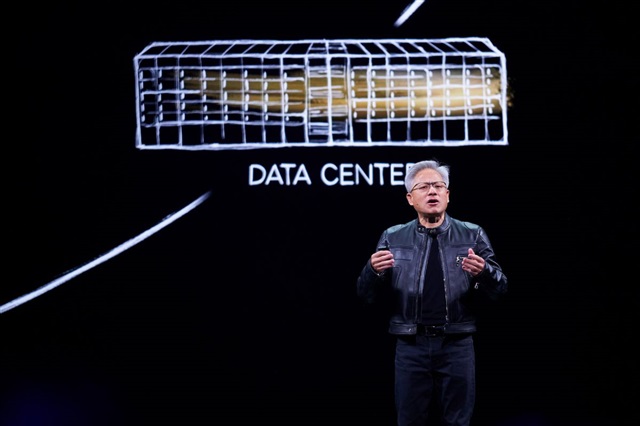
For major cloud and AI leaders, this surge in memory pricing is unlikely to be a deal-breaker. AI has become a strategic priority, and budgets for data centers and accelerated computing are continuing to expand. In practical terms, these companies can often absorb higher component costs or pass them along within enterprise pricing models, especially when demand for AI services remains strong.
The bigger concern is what comes next for consumer tech. Smartphones, laptops, tablets, gaming devices, and other everyday electronics depend on stable memory pricing to keep products competitively priced. If memory costs remain elevated and supply continues shifting toward AI-focused production, device makers may face slimmer margins, fewer promotional discounts, delayed upgrades, or higher retail prices. That combination could cool consumer demand, particularly in 2026 when pricing decisions and product roadmaps collide with tighter component supply.
The situation highlights a growing divide in the semiconductor market: AI infrastructure is increasingly prioritized, while traditional consumer segments may have to adapt to shortages and cost inflation. If the current trend continues, shoppers could feel the impact through more expensive devices and fewer budget-friendly options, even as AI computing races ahead at full speed.
In the months ahead, memory pricing and supply allocation will be closely watched signals for anyone tracking the consumer electronics outlook for 2026. The question isn’t whether AI will keep growing, it’s how much that growth will reshape the cost and availability of the tech people buy every day.