Samsung, SK hynix, and Micron are moving into a new stage of aggressive production expansion as the memory market remains gripped by shortages. Demand for DRAM and related memory products has surged so sharply that the balance of power has shifted to sellers, with supply struggling to keep up. Even with massive new investments now being announced, the uncomfortable reality is that most of the additional capacity won’t arrive soon enough to quickly solve near-term shortages for everyday consumers.
The driving force behind today’s tight memory market is the global AI buildout. Major buyers are racing to lock in long-term agreements with memory suppliers, and this rush is colliding with steady demand from PCs, smartphones, and other consumer devices. For manufacturers, the clearest path forward is straightforward: build more, and build faster. Reports from major business outlets and Korean media indicate that the world’s top memory makers are preparing to pour hundreds of billions of dollars into new fabs and expanded cleanroom space over the coming years.
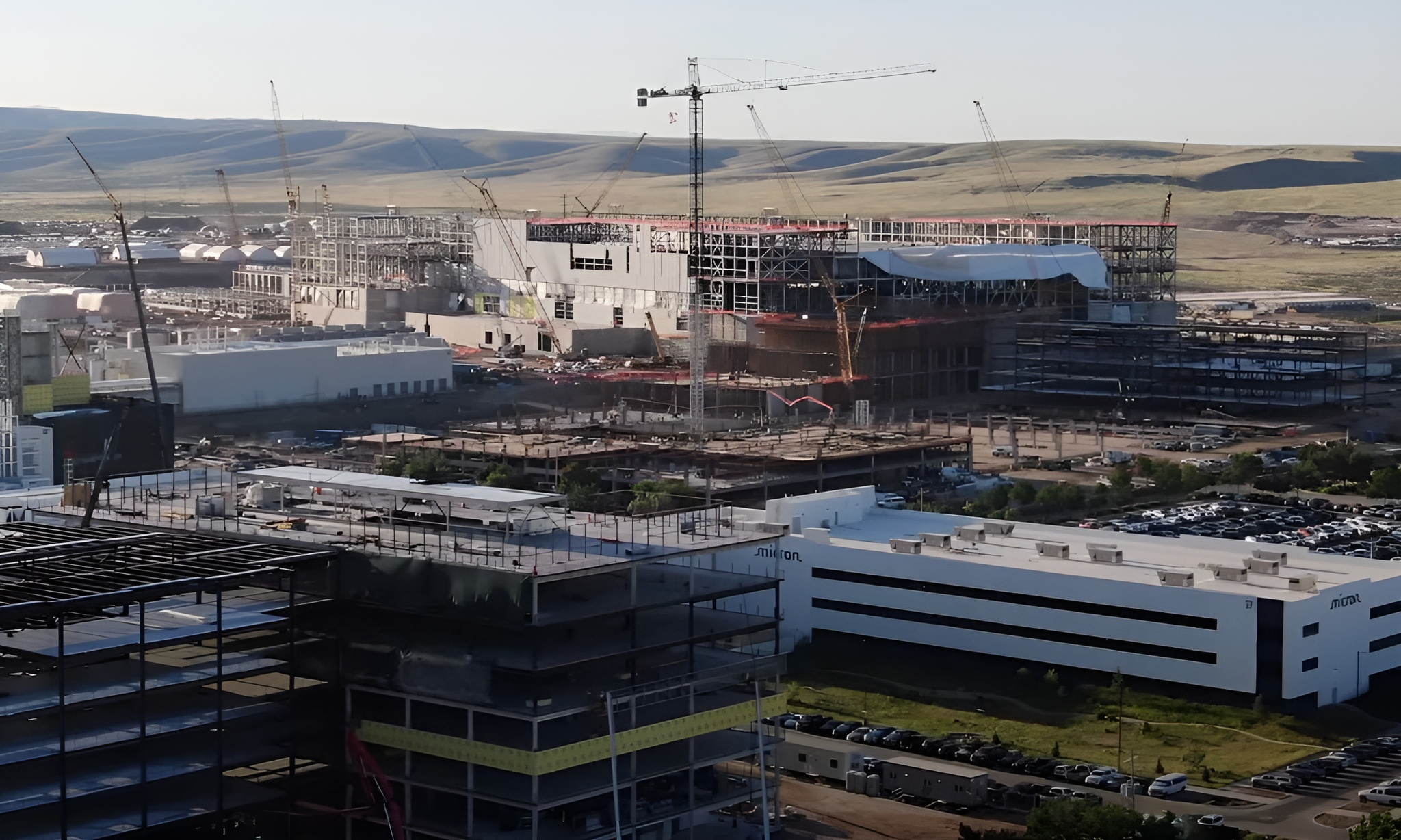
Micron’s expansion plans are among the biggest on paper. The company is reported to be targeting as much as $200 billion in new projects, including a large campus in Boise, Idaho that spans roughly 450 acres. The Boise site is expected to include two fabs and is positioned to become the largest cleanroom facility in the United States. While official output targets haven’t been fully detailed, estimates based on the cleanroom footprint suggest the Boise expansion could potentially lift production by roughly 150,000 to 200,000 wafers per month, a meaningful jump compared with Micron’s current global output.
Micron is also tied to an enormous long-term plan in New York, described as the state’s largest private investment, scaling up to about $100 billion. The project is expected to include four large cleanrooms, each around 600,000 square feet. In terms of future supply, that kind of footprint could translate into substantial DRAM output. The bigger question is timing. The Boise fabs are expected to ramp toward full output in the second half of 2027, while the full New York buildout stretches far into the future, with a timeline reaching into the 2040s for completion.
In South Korea, the push to expand is also accelerating. Local reporting describes memory suppliers moving up production schedules to seize the opportunity created by what many see as a new memory “supercycle.” SK hynix is expected to begin test runs at its Yongin fab soon, with the first fab reportedly set to become operational earlier than initially planned. The overall Yongin project is massive, with long-term investment figures around $85 billion, indicating SK hynix is preparing for years of sustained demand.
Samsung is also pressing forward, reportedly accelerating completion of its Pyeongtaek P4 plans. The updated schedule points to completion by the fourth quarter of 2026, earlier than prior expectations. Output from P4 is expected to be meaningful, with estimates around 100,000 to 120,000 wafers per month. Combined with other expansion efforts, this suggests the supply picture could look more flexible as the industry moves into 2027.
So why do shortages still matter for consumers if so much new capacity is coming? Because the fastest-growing demand isn’t coming from typical consumer upgrades—it’s being pulled by AI infrastructure. Memory’s role inside AI-focused systems is changing quickly, especially as inference workloads grow and models become more demanding. Technologies and form factors that once skewed toward consumer devices are increasingly being adopted in large-scale AI deployments, and manufacturers are under pressure to deliver higher-bandwidth solutions like advanced HBM stacks, along with newer module designs built to feed data-hungry accelerators.
In other words, much of the capacity being added is likely to be directed toward the most lucrative and urgent buyers: AI data centers and enterprise customers willing to commit to long-term supply deals. That makes business sense for suppliers, but it also means consumer markets may not feel immediate relief. Even if production expands, allocation priorities could keep pricing tight and availability constrained for PC builders, laptop buyers, and anyone hoping for a quick return to “normal” inflation-free memory upgrades.
The good news is that the industry is clearly investing to meet demand, and expanded output from late 2026 into 2027 could improve overall supply conditions. The catch is that the AI boom is reshaping where memory goes first—and until that demand surge stabilizes, consumers shouldn’t expect memory shortages to fade quickly.