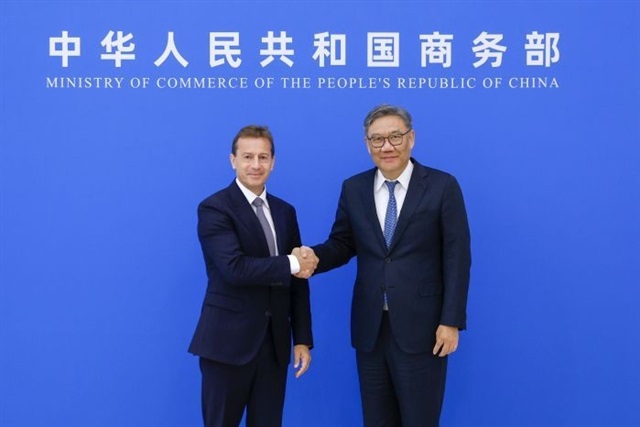
Airbus has switched on its second A320 Family final assembly line in Tianjin, marking a major step in the company’s global production ramp-up. Activated on October 22, 2025, the new line is slated to reach full operation by early 2026. The move supports Airbus’s plan to push output of A320 Family jets to 75 aircraft per month by 2027, aligning production capacity with strong worldwide demand for efficient single-aisle aircraft.
Why Tianjin matters: China is one of the fastest-growing aviation markets on the planet. By deepening its industrial footprint in the country, Airbus brings assembly closer to customers, shortens delivery timelines, and boosts flexibility across its global network. The expansion also mirrors China’s broader strategy to diversify its aviation ecosystem, from manufacturing and maintenance to training and local supply chains.
What this means for airlines and travelers:
– Faster deliveries: Additional capacity helps reduce wait times for carriers working through record order backlogs, especially for high-demand variants like the A321neo.
– Greater reliability: A more distributed production network adds resilience against supply chain shocks and regional disruptions.
– Lower operating costs: Newer, more fuel-efficient aircraft entering fleets can help airlines rein in costs and improve route planning, potentially benefiting fares and connectivity over time.
Strategic benefits for China’s aviation sector:
– Stronger local partnerships: Expanded assembly activity typically brings increased collaboration with domestic suppliers, talent development, and technology exchange.
– Support for fleet modernization: Chinese carriers continue to refresh and expand their narrow-body fleets to meet surging domestic and international travel.
– Industrial resilience: Diversification across multiple production sites and partners helps ensure a stable pipeline of aircraft for a market that demands scale and speed.
This new line complements Airbus’s global A320 Family production system and underscores a clear industry trend: to keep pace with demand, manufacturers are growing capacity where airlines need aircraft most. With the Tianjin line ramping to full speed in early 2026 and the 2027 production target in sight, the stage is set for a busy few years in single-aisle aviation.