New AI Tool Helps Homeowners Find the Right Solar Battery Size in Minutes
Choosing the right size for a home solar power system is already a challenge, but deciding how much battery storage to add can be even more confusing. A battery that is too large can cost thousands more than necessary, while one that is too small may force homeowners to buy expensive electricity from the grid when their own solar energy runs out.
A German software company called SIC! wants to make that decision easier with an AI-powered tool named PerfectPV. The service is designed to calculate the ideal photovoltaic system and battery storage size based on a household’s real energy needs, lifestyle, and future plans.
Solar power continues to grow rapidly around the world. In the United States, solar electricity has recently overtaken coal generation for the first time, while in Europe, photovoltaic systems are becoming an important part of the move away from fossil fuels. Private rooftop solar installations are playing a major role in this shift, especially as more households add electric vehicles, heat pumps, and smart energy systems.
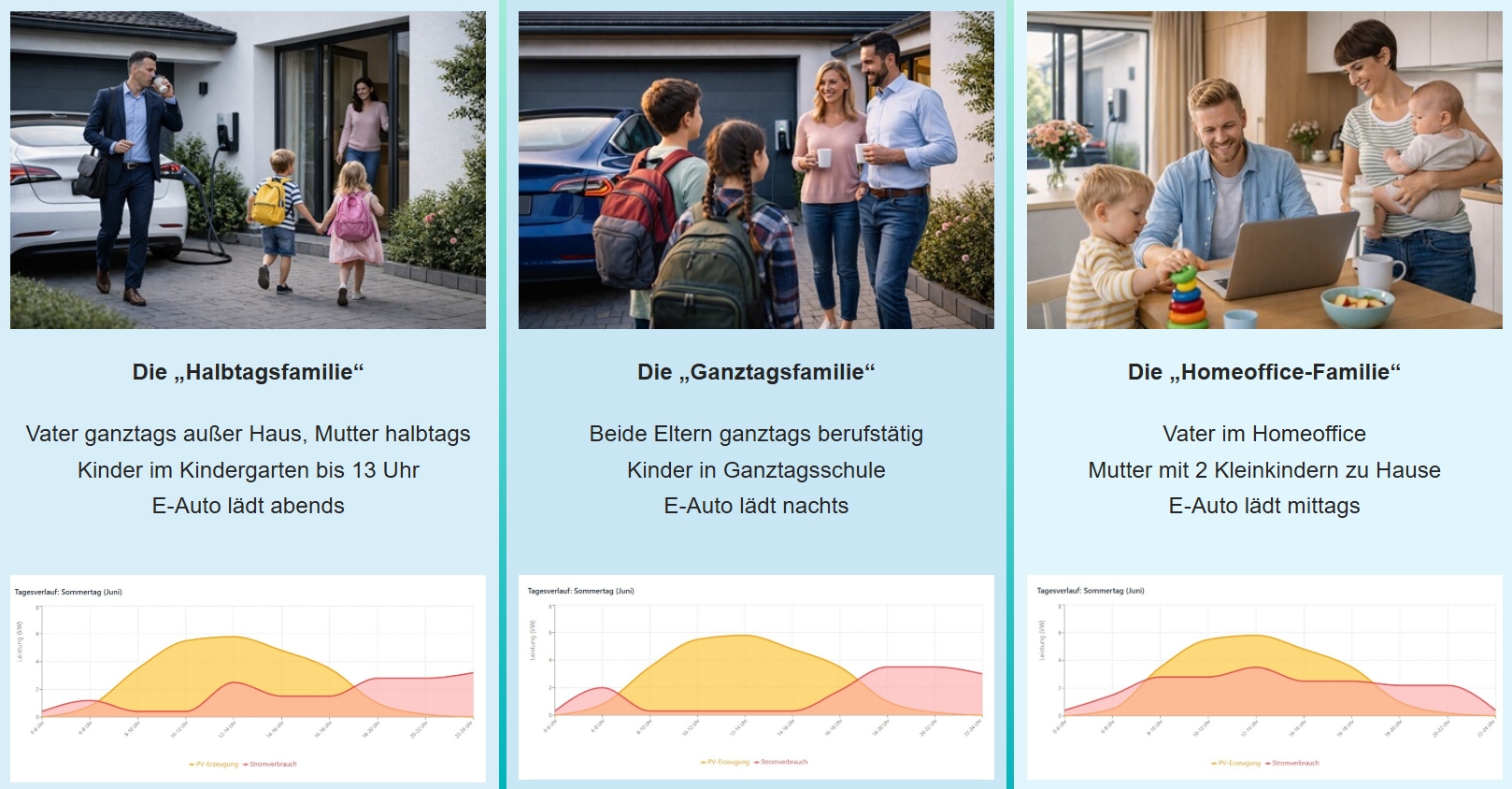
However, many homeowners still rely on rough estimates when planning a solar setup. Common rules of thumb can be helpful, but they often fail to reflect the actual electricity habits of a household. A family with an electric car, for example, may need a very different battery setup than a household that uses most of its electricity during the day. PerfectPV aims to replace guesswork with data-based planning.
To use the tool, customers upload available household energy data. This may include smart meter readings from the past 12 months, the planned or existing solar system size, budget information, living situation, and details about major electricity consumers such as an electric vehicle or heat pump.
After a one-time payment of 39 euros, or about 45 US dollars, the AI analyzes the information and calculates the recommended solar and battery storage size. The tool also provides a cost-benefit assessment, energy consumption forecasts, and estimates for self-sufficiency. According to the company, the process only takes a few minutes.
The main benefit is clear: better solar battery sizing can prevent costly mistakes. If a battery is oversized, homeowners may spend far more than needed for storage capacity they rarely use. If it is undersized, they may miss the chance to store enough daytime solar power for evening or nighttime use. In markets with rising electricity prices, that can make a noticeable difference over the lifetime of the system.
The service could be especially useful for people who are still in the planning stage of a rooftop solar installation. It may also help households that already own solar panels and are considering whether battery storage is worth adding. By using consumption data and forecasts, the tool can give users a clearer idea of how much of their own electricity they could realistically use instead of exporting it to the grid or buying power back later.
Still, the concept has attracted some criticism. Some users argue that the available input data may not be detailed enough for increasingly complex home energy setups. For example, bidirectional electric vehicle charging, EV battery capacity, smart heat pump behavior, and future electricity tariff changes can all influence the ideal system design. Critics also point out that long-term energy prices, feed-in tariffs, and market rules are difficult to predict with certainty.
Those concerns are valid. No AI tool can perfectly forecast future electricity markets or every change in a household’s lifestyle. A family may buy a second electric vehicle, switch heating systems, or change working habits within a few years. Each of those changes can affect solar power consumption and battery storage needs.
Even so, a tool like PerfectPV may still offer value by making solar planning more accessible. At around 45 dollars, it is relatively inexpensive compared with the cost of a full photovoltaic system and home battery. For homeowners facing investment decisions worth thousands or even tens of thousands of dollars, a quick AI-based analysis could provide a useful second opinion.
Some users may try to perform similar calculations with general AI chatbots. These tools can help explain solar sizing concepts and estimate basic system requirements. However, they may struggle with detailed calculations based on long-term smart meter data, especially when energy use varies heavily across seasons, weekdays, and weekends.
Ultimately, AI solar planning tools are not likely to replace experienced installers, electricians, or energy consultants. Instead, they may become an additional planning resource for homeowners who want to better understand their options before committing to a purchase. The most reliable approach may be to combine AI-based analysis with professional advice and real-world installation expertise.
As solar panels, home batteries, electric vehicles, and heat pumps become more common, accurate energy planning will only become more important. PerfectPV is part of a growing trend toward smarter, data-driven home energy management. For homeowners who want to avoid overspending and improve solar self-consumption, AI-assisted battery sizing could be a practical step toward a more efficient and independent energy future.