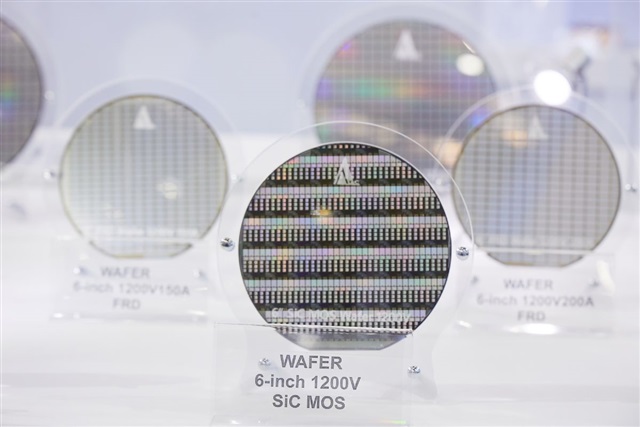
Six-Inch Silicon Carbide Substrate Prices Rebound as Supply Tightens and Demand Improves
The market for six-inch silicon carbide substrates is showing clear signs of recovery after nearly two years of oversupply and persistent price declines. Once pressured by rapid capacity expansion and weaker-than-expected demand, six-inch SiC substrates now appear to have reached a pricing bottom, with some suppliers beginning to see a rebound.
Silicon carbide, often known as SiC, is a key third-generation semiconductor material used in high-performance power devices. Compared with traditional silicon, SiC can handle higher voltages, higher temperatures, and greater energy efficiency. These advantages make it especially important for electric vehicles, charging infrastructure, renewable energy systems, industrial power supplies, and data center power management.
The recent price recovery is mainly being driven by tighter supply. Although the SiC industry expanded aggressively in previous years, usable high-quality substrate output remains difficult to scale quickly. Producing six-inch SiC substrates requires advanced crystal growth technology, strict quality control, and high manufacturing yields. Even when companies add capacity, it can take time before that capacity contributes meaningful supply to the market.
Over the past two years, the sector experienced a sharp correction. As more producers entered the market and existing manufacturers increased output, six-inch SiC substrate prices came under pressure. At the same time, some downstream customers slowed purchasing due to inventory adjustments and cautious spending. This created a period of oversupply, pushing prices lower and forcing suppliers to compete more aggressively.
That situation now appears to be changing. With weaker players facing pressure and high-quality supply remaining limited, the market is becoming more balanced. Demand from electric vehicles and power electronics is also gradually improving, helping absorb available inventory. As a result, six-inch silicon carbide substrate prices are no longer falling at the same pace and are beginning to move upward in some segments.
The recovery is important for the broader SiC supply chain. Substrates are one of the most critical and costly parts of SiC device production. Their pricing affects wafer costs, device margins, and the competitiveness of SiC power modules used in electric vehicles and energy systems. A stable or rising substrate price can improve confidence among manufacturers, but it may also slow cost reductions for downstream products.
Electric vehicles remain one of the biggest growth drivers for silicon carbide. SiC power devices are widely used in traction inverters, onboard chargers, and fast-charging systems because they help improve driving range, charging speed, and overall energy efficiency. As automakers continue shifting toward higher-voltage platforms, demand for SiC components is expected to rise further.
Renewable energy is another major market. Solar inverters, wind power systems, and energy storage equipment all benefit from more efficient power conversion. SiC-based devices can reduce energy loss and support more compact designs, making them attractive for next-generation power infrastructure.
Despite the improving outlook, the six-inch SiC substrate market is not without challenges. Price recovery may encourage more capacity expansion, which could eventually create another supply-demand imbalance if demand growth fails to keep pace. At the same time, the industry is gradually moving toward larger substrate sizes, including eight-inch SiC wafers, which could reshape the competitive landscape in the coming years.
For now, however, the six-inch silicon carbide substrate market has entered a more favorable phase. After a long period of oversupply and falling prices, supply constraints and improving demand are helping prices stabilize and rebound. This shift suggests that the SiC industry may be moving from correction toward a healthier growth cycle.
As electric vehicles, renewable energy, industrial automation, and high-efficiency power systems continue to expand, silicon carbide remains one of the most important materials in the global semiconductor industry. The rebound in six-inch SiC substrate prices is a strong signal that demand for advanced power semiconductor materials is regaining momentum.