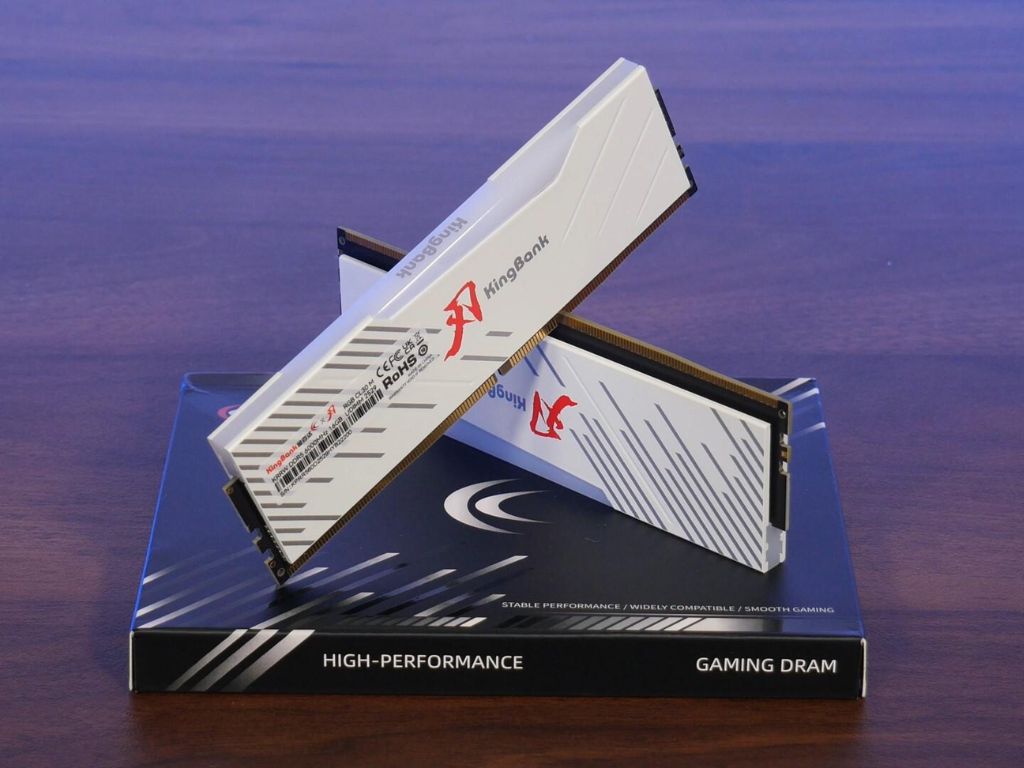
Chinese DDR5 RAM Was Expected to Lower Prices, But It May Be Doing the Opposite
For months, PC builders and hardware enthusiasts have been waiting for relief from the painful DDR5 RAM price surge. Since late 2025 and into 2026, memory prices have remained stubbornly high, making upgrades, repairs, and new PC builds far more expensive than many expected.
A major source of hope was the rise of Chinese DRAM manufacturers. Many believed that new competition would challenge the dominance of Micron, SK hynix, and Samsung, increase global supply, and finally push DDR5 memory prices down.
So far, that optimism is not playing out the way buyers hoped.
Instead of entering the market with aggressive low-cost pricing, Chinese memory maker CXMT appears to be positioning some of its DDR5 products at premium levels. A 64 GB DDR5-5600 RDIMM using CXMT chips has reportedly been listed for as much as 18,999 RMB, or around $2,800. That is even higher than some comparable Samsung server memory modules with similar specifications, despite the expectation that CXMT would compete mainly on price.
This is a surprising turn for anyone hoping Chinese DDR5 RAM would act as a market stabilizer. Rather than triggering a wave of cheaper memory, CXMT’s pricing suggests the company may be taking advantage of the same supply pressures affecting the rest of the DRAM industry.
The issue is not limited to retail pricing. Around the same period, reports indicated that CXMT had raised prices on its 64 GB DDR5 server modules above Samsung’s benchmark pricing and did not back down even when a major Chinese technology company requested a discount.
That is a clear sign that CXMT has gained meaningful leverage in the memory market. Demand is strong, supply is tight, and customers that need DDR5 modules for servers, laptops, desktops, and enterprise systems have fewer affordable options than expected.
The current DDR5 RAM market is being shaped heavily by the boom in AI infrastructure. Data centers, cloud providers, and hyperscale companies are consuming massive amounts of memory and wafer capacity. As more production is directed toward high-demand enterprise and AI hardware, consumer memory buyers are left facing higher prices and limited relief.
This creates a difficult situation for everyday users. Gamers, workstation builders, small businesses, repair shops, and PC enthusiasts may have expected cheaper Chinese DRAM to bring balance back to the market. Instead, server demand and enterprise contracts are keeping prices elevated.
CXMT is also expanding aggressively. The company is reportedly working to increase production capacity from around 200,000 wafers per month to as much as 600,000 wafers per month as new facilities in Hefei and Shanghai come online. It is also securing longer-term supply deals with Chinese PC vendors that may extend into 2027.
More production capacity sounds positive, but it does not automatically mean cheaper RAM for consumers. If demand from AI data centers, server manufacturers, and large PC makers continues to grow, additional supply may be absorbed before it has any major effect on retail pricing.
There are also technical factors to consider. CXMT is still believed to be using older manufacturing processes compared with Samsung, Micron, and SK hynix. That means its memory chips may consume more power and deliver lower peak performance than leading-edge alternatives. Reports also suggest CXMT memory is not especially strong for overclocking, which may matter to enthusiasts.
However, for server customers, overclocking is not the priority. Stability, availability, and guaranteed supply matter far more. If CXMT can provide dependable memory in large quantities, enterprise buyers may still accept higher prices even if the technology is not the most advanced on the market.
That is why the hope of a sudden DDR5 price crash may be unrealistic. Industry voices have already warned that buyers should not expect meaningful price drops anytime soon. At a major technology event in 2026, Lexar regional manager Chris Xia cautioned that current price relief may not last and suggested that anyone who needs memory should buy sooner rather than wait for major discounts.
For consumers, the message is simple: DDR5 RAM prices may remain high for years, especially as AI servers and data centers continue to dominate memory demand.
Chinese DRAM was expected to make RAM cheaper. Instead, CXMT’s premium pricing shows that new competition does not always mean lower prices. In a supply-constrained market, every major memory producer has an incentive to protect margins rather than start a price war.
The arrival of CXMT may help improve overall DRAM supply over time, but the average PC buyer should not count on it to quickly bring back affordable DDR5 memory. For now, the DDR5 market remains under pressure, and anyone planning a PC upgrade may need to adjust expectations accordingly.