NVIDIA GPU rental prices surge as AI demand gives older chips a second life
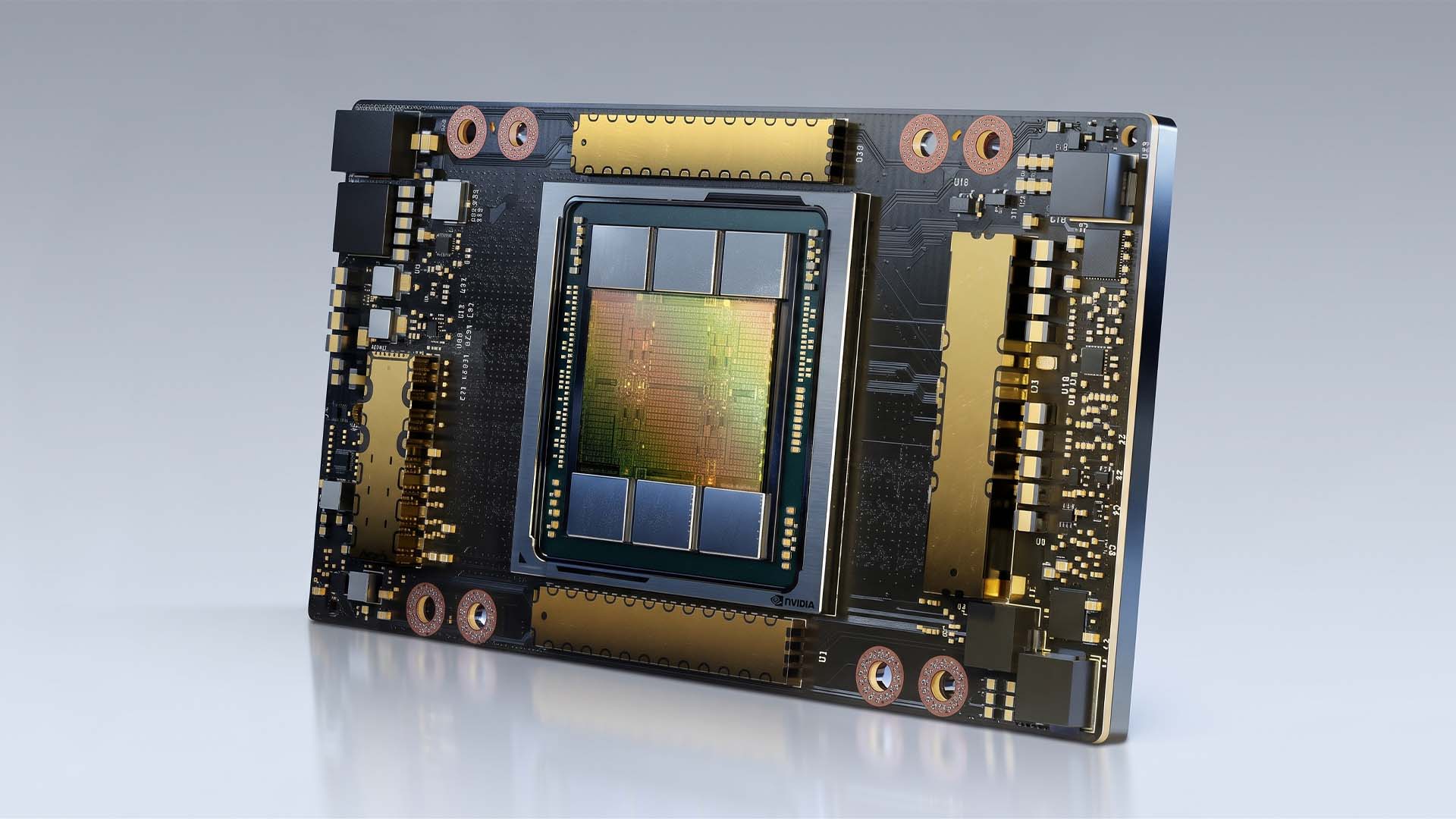
The AI boom is not only lifting demand for NVIDIA’s newest data center GPUs. It is also breathing new life into older accelerators that many assumed were nearing the end of their commercial relevance. One of the clearest examples is the Tesla V100, a GPU approaching its tenth year on the market but now finding fresh demand as developers, researchers, and smaller AI teams look for more affordable ways to run large language models.
New market data tracked by Ornn Data and shared by a16z shows that rental prices for several NVIDIA GPUs have climbed sharply since the start of 2026. The increase reflects a broader shift in the AI infrastructure market, where rising token consumption, growing inference workloads, and limited access to high-end hardware are pushing users toward both current-generation and older graphics processors.
Among the GPUs tracked, the NVIDIA H200 saw the steepest rise in rental pricing. Since January 1, 2026, H200 rental rates climbed by around 143 percent, making it the standout performer in the market. The B200 followed with an increase of about 111 percent, while the RTX PRO 6000 rose approximately 73 percent. The H100, still one of the most widely used AI accelerators, gained around 54 percent. The older A100 saw a much smaller increase of about 9 percent, but even that shows continued demand for previous-generation hardware.
The timing of these price movements is important. Many GPU rental rates hit their lowest point during the first quarter of the year. The H100 and B200, for example, dropped roughly 23 percent below their January levels before recovering in April and May. The H100 remained mostly flat until early May, then moved sharply higher within a short period. The H200 followed a more volatile path, spiking in late May, pulling back by roughly a quarter, and then climbing again into October.
This pattern closely matches the sharp rise in AI token consumption seen during the spring. As more businesses and developers deploy AI tools, chatbots, coding assistants, search features, and automated agents, the demand for compute power continues to grow. Every prompt, response, and AI-generated output consumes tokens, and at scale that translates directly into a need for more GPU capacity.
However, the data does not fully explain what is driving the surge. It points to higher token consumption, but it does not break down whether the demand is coming mostly from enterprise AI adoption, autonomous agent workloads, consumer AI apps, model training, or inference at scale. It also does not clearly address supply-side pressures, such as data center capacity, energy availability, hardware shortages, or deployment delays.
Those missing details matter because GPU rental pricing is shaped by more than demand alone. Power constraints, limited rack space, cooling requirements, and the availability of networking equipment can all influence what users pay for access to AI hardware. Even if GPU inventory exists, it still needs to be installed, powered, cooled, and connected before it can generate revenue in a data center.
Still, one trend is becoming difficult to ignore: older NVIDIA GPUs are becoming valuable again.
The Tesla V100 is a strong example. Originally launched years before the current AI explosion, it is no longer considered cutting-edge compared with the H100, H200, or B200. Yet it remains useful for a wide range of AI workloads, especially medium-sized large language models. For users who do not need the absolute fastest hardware, the V100 can offer a compelling balance of performance and cost.
Configurations using multiple Tesla V100 GPUs with NVLink can still deliver impressive results. In some setups, four V100 GPUs on an NVLink board can outperform newer compact AI systems by a wide margin, depending on the workload. That performance, combined with lower entry costs compared with newer accelerators, helps explain why demand for these older cards is rising.
The renewed interest is also affecting secondhand pricing. Higher-VRAM versions of the Tesla V100 are reportedly starting to sell at a premium, with some commanding around $200 more than lower-memory variants. That may not sound dramatic compared with the cost of modern AI accelerators, but it shows how even aging hardware is being revalued in the current AI market.
This shift is especially important for independent developers, AI hobbyists, small research groups, and startups. Large enterprises often focus on the newest GPUs because they need maximum efficiency, scale, and support. Smaller users, however, are more likely to prioritize affordability and availability. For them, older NVIDIA GPUs such as the V100 and A100 can still provide enough performance to run experiments, fine-tune models, host inference workloads, or build specialized AI applications.
The broader takeaway is that AI demand is turning GPUs into appreciating assets in some parts of the market. Hardware that might have been dismissed as outdated a few years ago is now being reconsidered because the need for compute continues to rise faster than supply can comfortably absorb.
For NVIDIA, this reinforces the strength of its ecosystem. The company’s latest AI GPUs remain in high demand, but its older products are also benefiting from the same market forces. For cloud providers and GPU rental platforms, it creates an opportunity to monetize a wider range of hardware. For users, it means the cost of AI compute could remain elevated as competition for available GPU capacity intensifies.
Unless AI token consumption slows or new GPU supply expands significantly, rental prices for popular NVIDIA accelerators may stay under pressure. The H200’s sharp price increase shows how quickly the market can move when demand concentrates around a specific chip. At the same time, the Tesla V100’s comeback proves that in the AI era, even older GPUs can find a profitable second life.