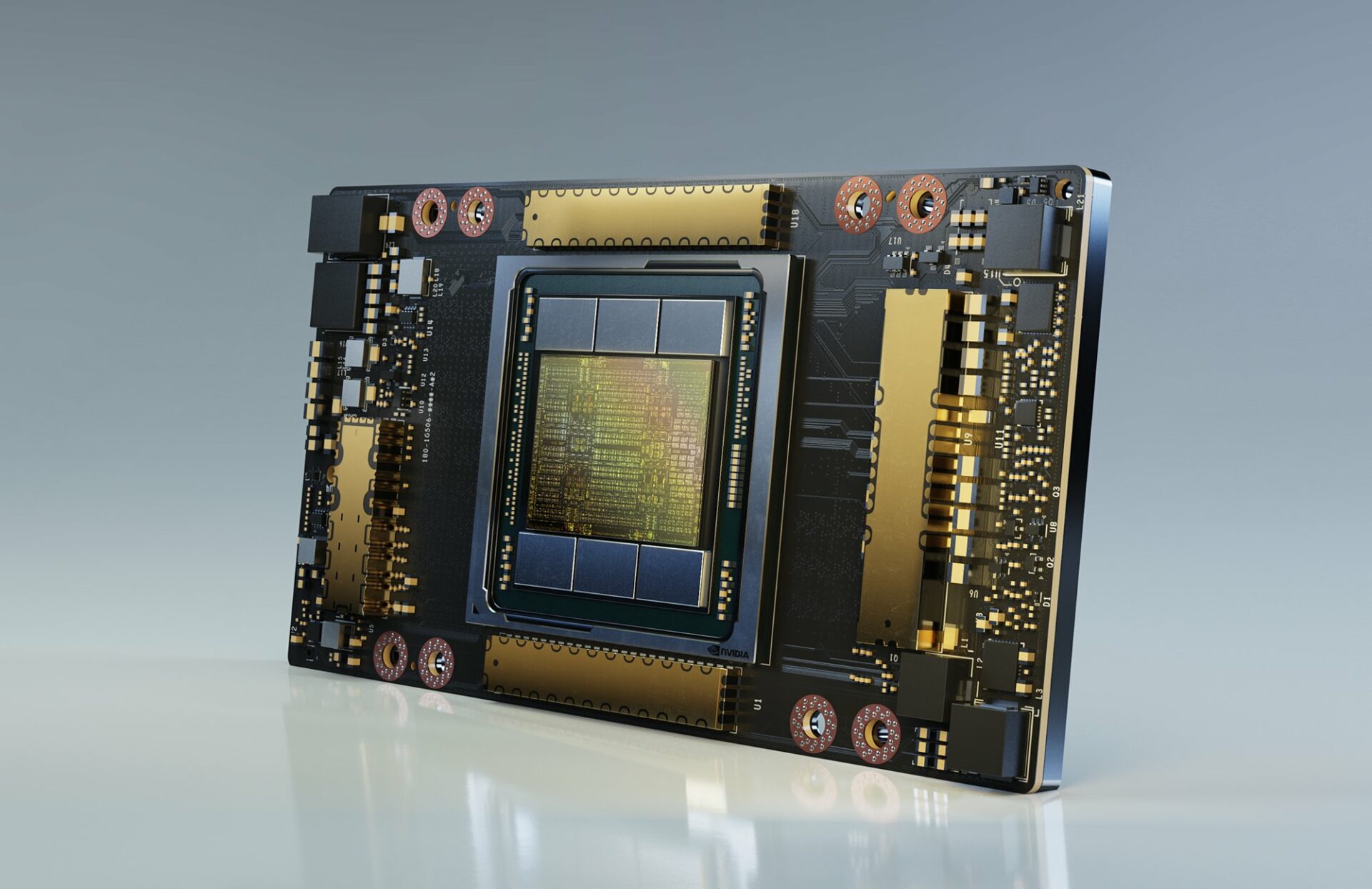
NVIDIA A100 GPUs Still Have a Long Future in AI as CoreWeave Extends Rentals Through 2029
CoreWeave is planning to keep NVIDIA’s A100 GPUs in active rental use through 2029, showing that older AI accelerators can remain valuable far longer than many expected. The decision highlights a growing trend in the artificial intelligence industry: performance is not only about buying the newest chip, but also about extending the usefulness of existing hardware through software improvements, optimization, and strong demand for compute capacity.
The NVIDIA A100 is based on the Ampere GPU architecture, which first arrived in 2020. In normal technology cycles, a data center GPU that is several years old might already be considered outdated, especially with newer NVIDIA Hopper and Blackwell platforms now available. However, the A100 continues to play an important role in AI training, inference, cloud computing, and high-performance workloads.
NVIDIA CEO Jensen Huang recently emphasized that NVIDIA’s computing platform is more than just silicon. According to him, CUDA allows developers and NVIDIA engineers to keep improving the usefulness of older GPU generations, including Ampere, Hopper, and Blackwell. This means that GPUs like the A100 can continue receiving software-level performance gains and remain productive assets for years after launch.
That is especially important in today’s AI market, where demand for GPU compute remains extremely high. Shortages, rising rental prices, and the rapid growth of generative AI have made access to powerful accelerators a major challenge for startups, enterprises, and cloud providers. Even older data center GPUs have seen renewed demand as companies look for more affordable ways to run AI workloads without committing to the latest and most expensive hardware.
CoreWeave’s commitment to NVIDIA A100 rentals through 2029 suggests that the chip could enjoy a useful life of around nine years. That is a long run for an AI accelerator, particularly in a market where NVIDIA and AMD are moving toward faster product release cycles. Newer GPUs may offer much higher performance, better efficiency, and advanced AI features, but they also come with significantly higher costs.
For many companies, the best option may not always be the newest chip. If AI models can be optimized to run efficiently on existing hardware, then older accelerators like the A100 can still deliver strong value. CUDA improvements, better software stacks, and more efficient AI frameworks can help extend the life of these GPUs while reducing the need for massive new investments.
This also changes the conversation around hardware depreciation in the AI industry. With new AI chips arriving more frequently, some investors and cloud providers have questioned whether expensive GPU purchases could lose value too quickly. CoreWeave’s long-term use of A100 GPUs suggests that depreciation may not be as steep as feared, as long as the hardware remains compatible with modern AI workloads and continues to benefit from software upgrades.
The economics are also important. CoreWeave reportedly secured attractive pricing for its A100 fleet, making the GPUs a practical choice for long-term rental services. While Blackwell and future Rubin-generation chips are expected to deliver major leaps in AI performance, they will likely remain premium options. The A100, by comparison, can serve customers that need capable AI compute at a more accessible price point.
This is good news for the broader AI ecosystem. Instead of leaving older GPUs unused, cloud providers can put them to work for training, inference, research, and enterprise AI applications. That helps reduce pressure on the supply chain, gives more customers access to GPU resources, and improves the return on investment for data center operators.
The continued demand for NVIDIA A100 GPUs proves that AI hardware can have a longer shelf life than many predicted. As software optimization becomes more important, older accelerators may remain relevant well beyond their original expected lifespan. For CoreWeave, the A100 is not just a past-generation GPU. It is a rentable, durable, and financeable AI asset that still has years of work ahead.