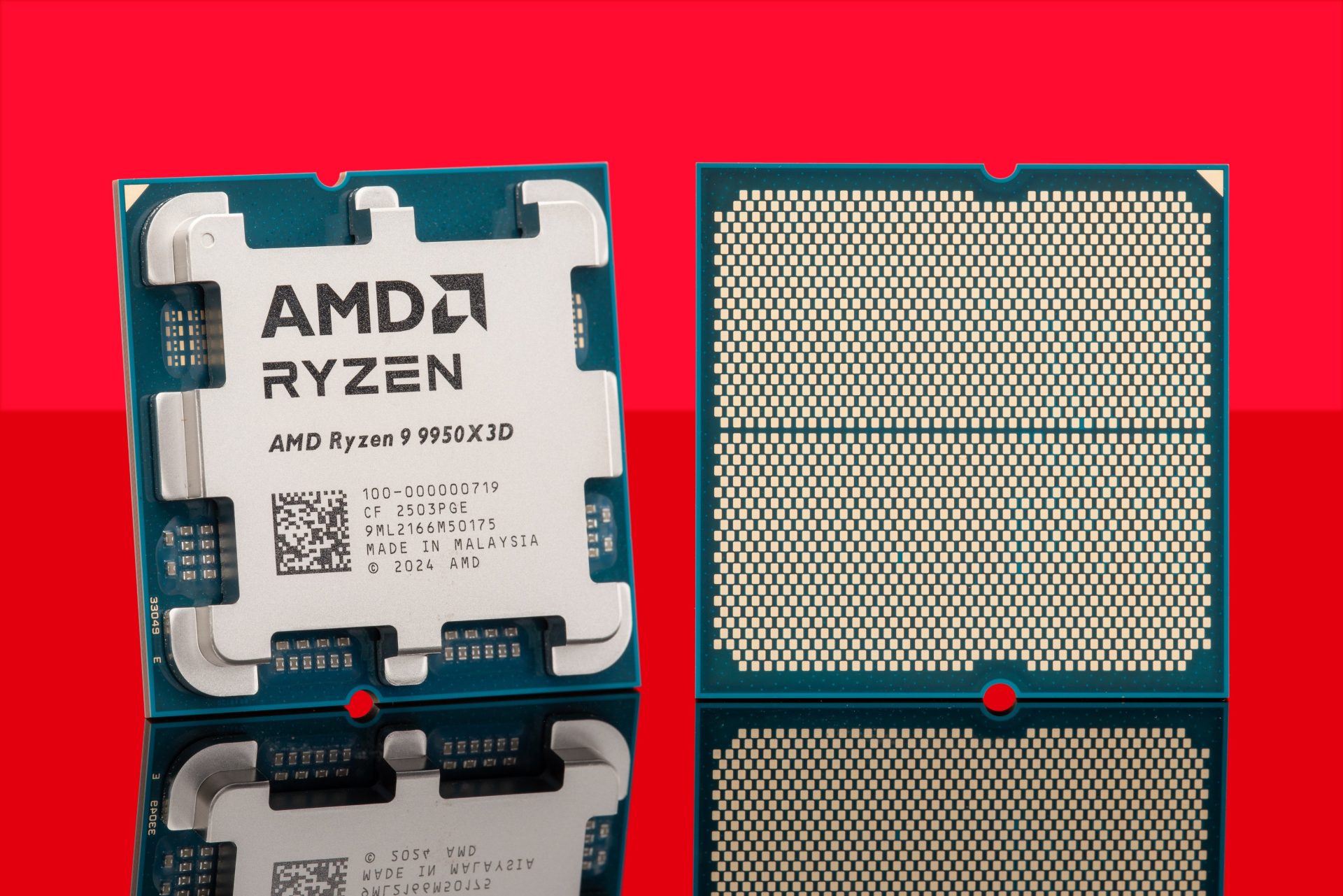
Shoppers and data centers may want to brace for a long stretch of higher CPU prices. New supply-chain reporting suggests that both consumer and server processors are heading into a period of severe shortages, with price hikes expected to continue through at least the third quarter of 2026—and potentially beyond.
The big story behind the CPU squeeze is the rapid expansion of AI infrastructure, especially the rise of so-called agentic AI workloads. For years, GPUs grabbed most of the attention in AI because they handle the heavy compute. But agentic AI systems often rely on constant data lookups, vector searches, and database-style queries to plan, retrieve, and decide what to do next. Those tasks lean heavily on CPUs, which is shifting more demand back toward processors in a way many buyers weren’t planning for. And since memory is still a core piece of the AI stack, anyone waiting for DRAM pricing to cool down may need patience as well.
Pricing pressure has already started to show up. Since March, consumer CPU prices have reportedly risen around 5% to 10%, while server CPU pricing has jumped more sharply—roughly 10% to 20%. Industry sources indicate this may have only been the first wave, with additional rounds of increases likely as 2026 progresses.
A second factor is manufacturing constraints tied to advanced process technologies. The newest CPUs are increasingly built on cutting-edge nodes, and capacity for those processes is tight due to intense demand and limited supply. As chipmakers face higher costs and constrained production, those increases tend to travel down the chain and appear in end CPU pricing, both for desktop and laptop upgrades and for large server deployments.
Looking ahead, another increase is expected to push CPU prices up an additional 8% to 10% by the second half of 2026. AMD is specifically rumored to be planning two price increases this year—one in Q2 and another in Q3—adding up to a cumulative rise around 16% to 17%. The report ties part of that pressure to AMD’s transition into newer manufacturing eras while maintaining a broad lineup on current-generation production.
Interestingly, this environment could create an opening for Intel. With more customers scrambling for capacity and trying to diversify suppliers to keep AI-related buildouts on track, Intel’s manufacturing ambitions may benefit if it can secure major clients and absorb some of the overflow demand. If that happens, it could slightly rebalance sourcing for certain buyers—but it’s unlikely to immediately undo the broader shortage-and-pricing trend.
For PC builders, gamers, workstation users, and IT teams planning server refresh cycles, the takeaway is simple: CPUs may not be a “wait until it gets cheaper” category for a while. If shortages intensify and more price rounds arrive as expected, the market could remain tight well into 2026 and possibly into 2027.