Older PS5 Overheating Case Raises Questions About Long-Term Liquid Metal Degradation
An older PlayStation 5 console has reportedly developed severe overheating problems, with repair photos suggesting that long-term degradation around the PS5’s liquid metal thermal interface may be involved. The console in question is a CFI-1116 model, one of Sony’s earlier hardware revisions, and the case is drawing attention because it shows visible damage around the heatsink contact area.
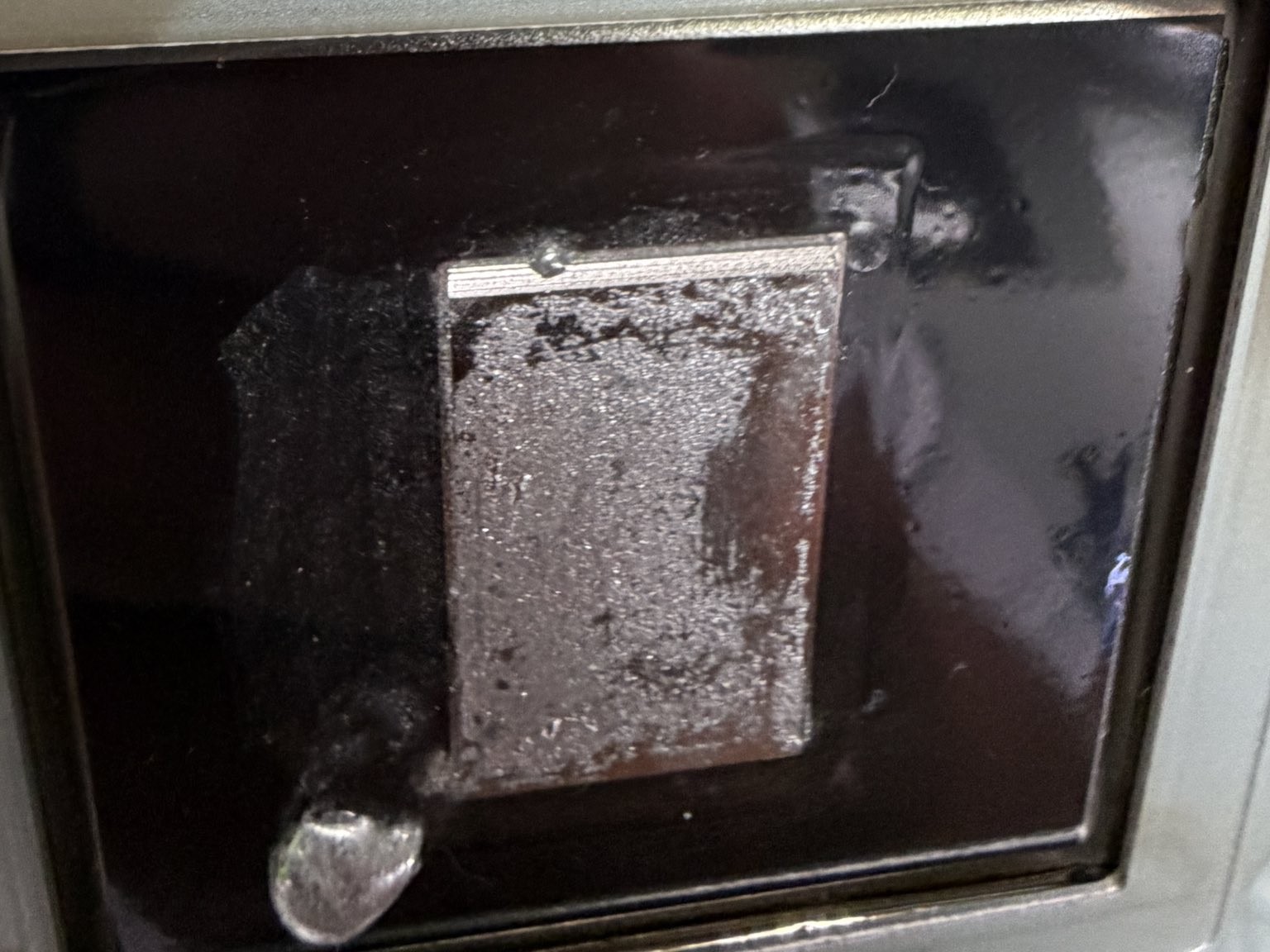
The issue was highlighted by Polish console repair technician Modyfikator89, who shared images of a PS5 suffering from heavy discoloration and residue around parts of the APU and heatsink. According to the technician, the console was overheating badly before being opened and inspected.
Sony’s use of liquid metal in the PlayStation 5 was one of the console’s most notable cooling features at launch. Compared with traditional thermal paste, liquid metal can transfer heat extremely efficiently, helping the PS5’s custom APU stay cool under heavy gaming loads. However, liquid metal is also more complicated to manage over many years, especially because gallium-based compounds can react with certain metals if protective barriers become damaged.
In this case, the APU itself reportedly survived without visible damage. After the crust-like residue was cleaned away, the chip surface was described as smooth and mirror-like. The heatsink, however, was a different story. The contact surface appeared permanently scarred in areas where the protective plating may have been compromised.
That detail is important because nickel plating is often used as a barrier to stop gallium from interacting with the copper underneath. If that barrier becomes worn, scratched, or otherwise damaged, the liquid metal may gradually react with the exposed metal surface. Over time, this can lead to discoloration, uneven contact, dried-looking residue, or reduced cooling performance.
The technician also raised a key repair question: should fresh liquid metal be applied to a heatsink surface that already appears damaged, or would a phase-change material such as PTM7950 be a safer alternative? That question is becoming more relevant as launch-era PS5 consoles continue to age.
Other PS5 owners have reported similar overheating symptoms after several years of use. Some users have described consoles shutting down after 20 to 30 minutes of gameplay, even after cleaning out dust. In some cases, replacing the liquid metal and thermal pads reportedly restored normal operation. In others, overheating continued, leading to discussion about whether residue or corrosion had been fully removed before new thermal material was applied.
It is important to note that this single CFI-1116 case does not prove a widespread design defect. The CFI-1116 was Sony’s second major PS5 hardware revision and was known for having a lighter heatsink than the original launch model. While this repair case shows what can happen to an aging PS5 thermal interface, it does not mean every console from this revision will experience the same failure.
Still, the case is significant because it highlights a potential long-term maintenance concern for older PlayStation 5 systems. As the earliest PS5 consoles approach six years of use, problems related to liquid metal distribution, oxidation, or heatsink surface wear may become easier to spot.
Sony has also made later changes to the PS5 cooling system, including revisions intended to better control how liquid metal sits over the APU. Those updates suggest that liquid metal management has remained an important part of the console’s thermal design.
For PS5 owners, the warning signs are fairly straightforward. If a console begins overheating, shutting down during gameplay, running unusually hot, or displaying temperature-related warnings even after dust cleaning, the liquid metal interface could be worth inspecting. However, working with liquid metal is risky, and improper application can cause further damage, so most users should leave this type of repair to experienced technicians.
The takeaway is not that every older PS5 is in danger, but that liquid metal cooling can change over time. The PlayStation 5’s thermal solution is highly effective when working properly, yet aging, oxidation, uneven spread, or damage to the heatsink plating may eventually affect cooling performance in some units. As more early PS5 systems remain in service, repair shops are likely to see more examples of how Sony’s liquid metal design holds up over the long term.