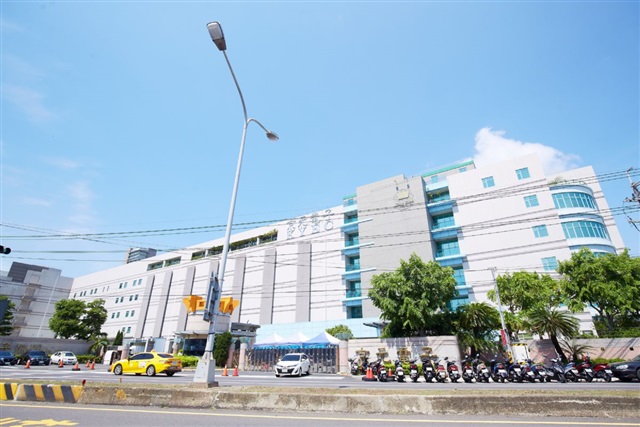
TSMC is set to host its earnings call on January 15, 2026, and all eyes in the semiconductor world are on what comes next for AI hardware. According to supply chain chatter, demand for AI chips is expected to stay strong throughout 2026, keeping pressure on the entire chip production pipeline—from wafer fabrication all the way to packaging and final testing.
One of the biggest issues isn’t making the chips, but finishing them. Advanced packaging and testing capacity remains tight, and the gap between soaring AI demand and limited backend throughput is becoming even more noticeable. Advanced packaging is especially critical for modern AI processors because it enables higher performance, better power efficiency, and more advanced chip designs that depend on complex integration methods.
With TSMC’s in-house advanced packaging and testing capacity still coming up short, more work is expected to shift to outsourced semiconductor assembly and test providers. In other words, backend outsourcing is likely to rise as chipmakers and designers look for ways to secure enough packaging and testing slots to meet delivery schedules. This dynamic is also helping lift expectations across the supply chain, as companies positioned to handle advanced packaging workloads could see increased orders and stronger momentum.
The key takeaway is simple: AI chip demand isn’t slowing down, and advanced packaging is a major bottleneck. As TSMC discusses its outlook during the January 15 earnings call, investors and industry watchers will be listening closely for any updates on capacity expansion plans, timelines, and how the company intends to manage the ongoing packaging crunch. If constraints persist, outsourced backend partners could continue to benefit as the industry races to turn silicon into shippable AI accelerators.