Acer Hints at the Return of 4GB RAM Laptops as Budget Windows PCs Get Cheaper
Affordable Windows laptops could be heading back toward an era many users thought was over: 4GB of RAM. Acer’s latest laptop plans suggest that ultra-cheap notebooks may once again ship with very modest memory configurations, especially as new low-cost ARM-based processors enter the market.
The shift comes as the laptop industry adjusts to a new pricing reality. Apple’s MacBook Neo has helped normalize 8GB of RAM in modern mid-range laptops, despite using a smartphone-style processor. Apple balances that limited memory with premium features such as an aluminum body, a bright 500-nit display, and a large multi-touch trackpad, features that are not always common in Windows laptops at similar prices.
On the Windows side, Qualcomm’s Snapdragon X laptops are already competing near that same price category. However, the newly introduced Qualcomm Snapdragon C is expected to push prices even lower. This chip is aimed at entry-level laptops, with some models expected to start at around $300.
That price point could make budget laptops more accessible, but it may also come with major compromises. Qualcomm has not yet shared detailed specifications or performance benchmarks for the Snapdragon C, so it remains unclear how capable these low-cost laptops will be in everyday use. At around $300, buyers should likely expect plastic builds, basic screens, and fewer premium features.
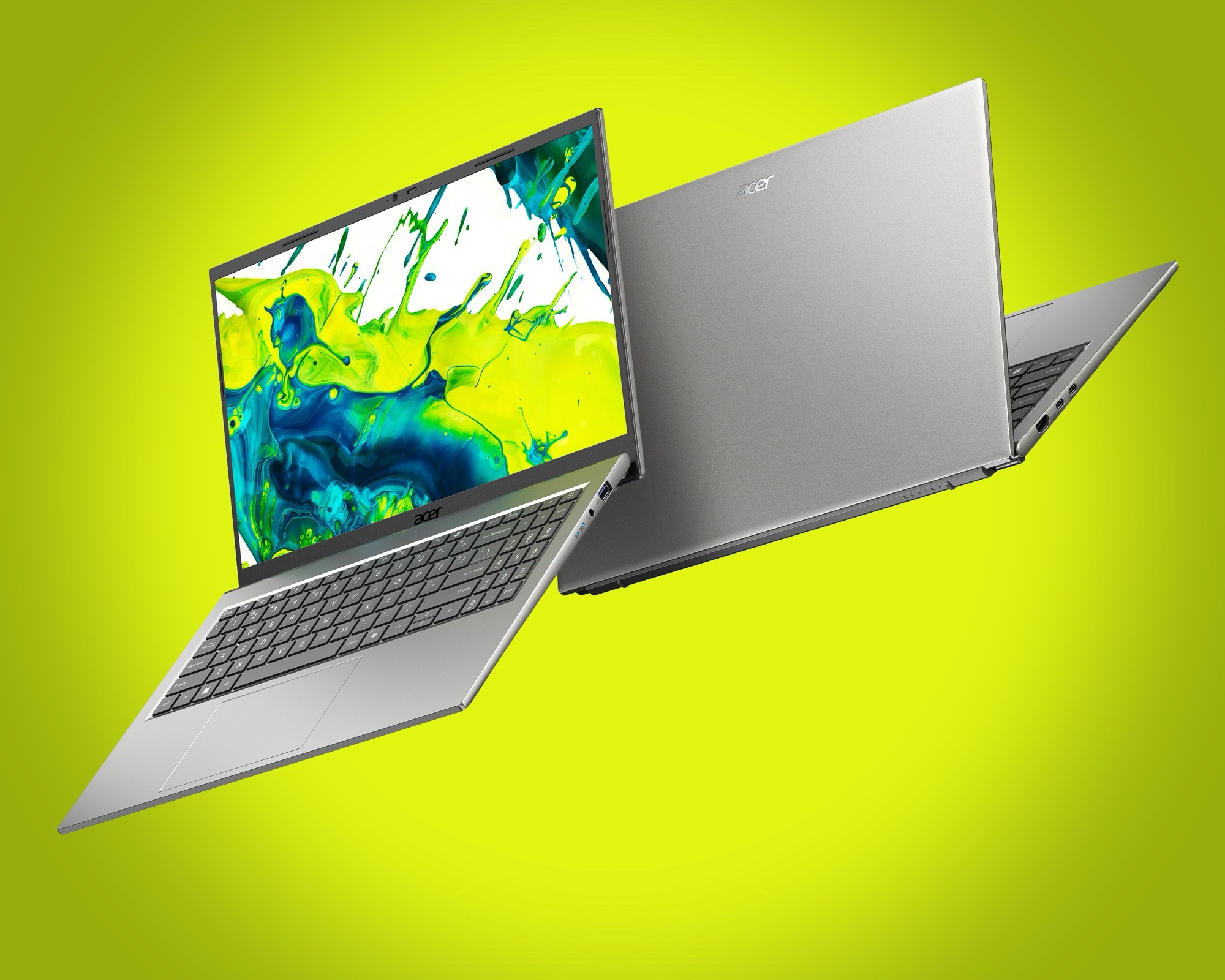
Acer’s upcoming Aspire Go 15 appears to be one of the first laptops built around the Snapdragon C platform. Its specification sheet lists memory as “up to” 8GB of RAM and storage as “up to” a 512GB SSD. The wording is important because “up to” usually means the best configuration, not the base model.
That opens the door for cheaper versions with lower specifications, possibly including 4GB of RAM and much smaller storage options. Microsoft’s minimum requirements for Windows 11 still allow systems with 4GB of RAM and 64GB of storage, meaning manufacturers can technically offer very low-end Windows laptops that meet the basic requirements.
The reason is simple: cost. Memory prices have risen sharply due to the ongoing DRAM shortage, and 8GB of laptop RAM has reportedly become significantly more expensive. For laptop makers trying to hit a $300 retail price, reducing RAM may be one of the easiest ways to keep costs under control.
However, that may not be good news for buyers. While 4GB of RAM can run Windows 11, it may struggle with modern multitasking, web browsing with many tabs, video calls, and productivity apps. Even 8GB is increasingly considered the bare minimum for a smooth everyday experience, especially as websites and software continue to become more demanding.
The return of 4GB RAM laptops could make the budget laptop market look more attractive at first glance, but consumers will need to read specifications carefully. A low price may come with trade-offs that affect long-term usability.
For now, Acer’s Snapdragon C-based Aspire Go 15 suggests that the next wave of budget Windows laptops could be cheaper than ever, but also more limited. If memory prices remain high, the cheapest laptops of the coming years may offer lower performance than many buyers expect.


