Apple has officially unveiled the iPhone 17e, and one of the biggest talking points is what’s inside it. As expected from Apple’s “e” lineup, the new model follows a familiar playbook: it uses the A19 chip, but not quite the exact same version you’ll find in the standard iPhone 17.
The key change comes down to graphics. Apple’s tech specs reveal the iPhone 17e runs an A19 with a 6-core CPU (two performance cores and four efficiency cores) paired with a 4-core GPU. That’s one fewer GPU core than the A19 in the base iPhone 17. Aside from this single GPU-core reduction, the rest of the chip’s feature set appears to be in line with what you’d expect: hardware-accelerated ray tracing is still included, and there’s a 16-core Neural Engine for on-device AI and machine learning tasks.
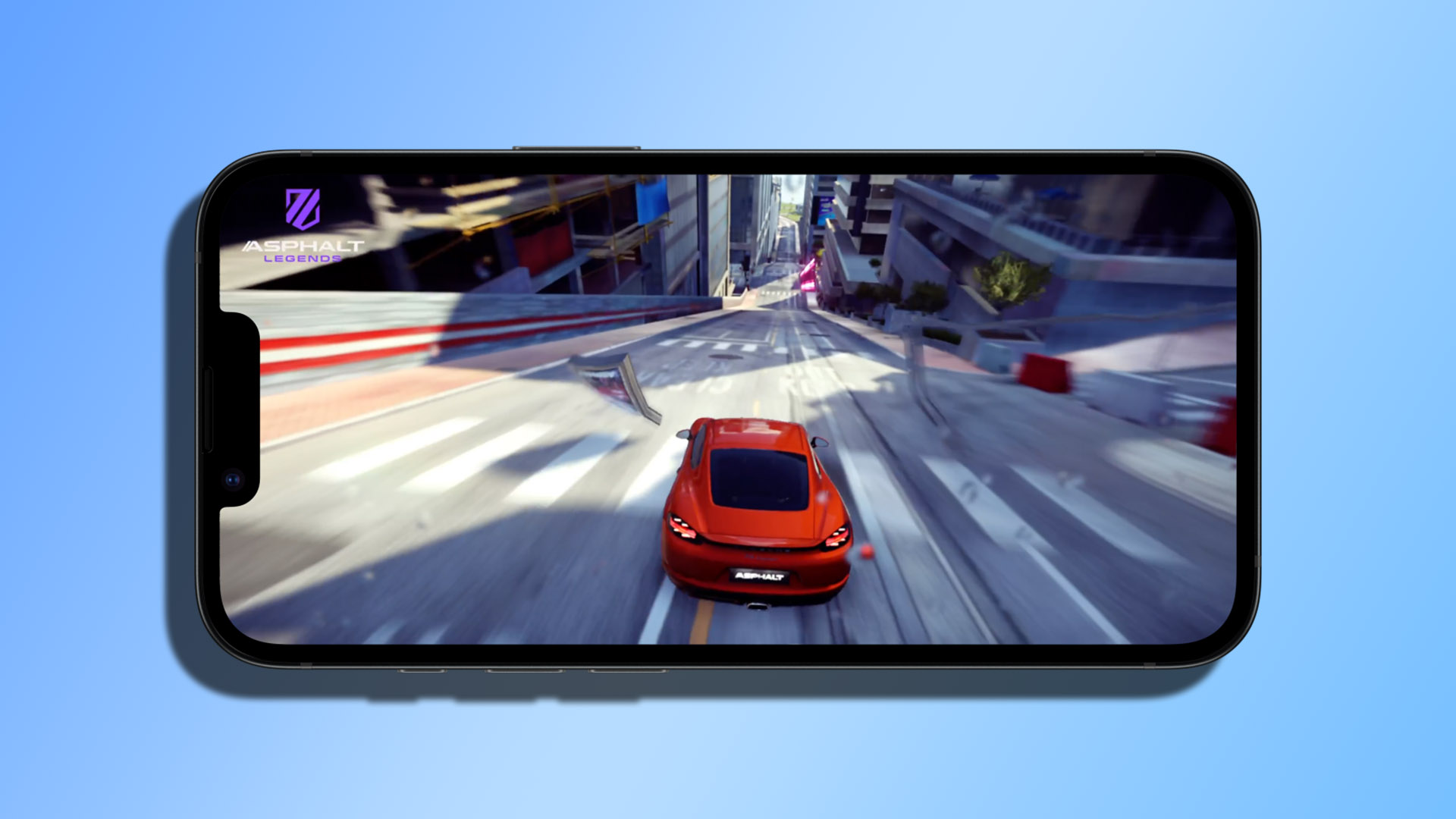
This kind of chip-binning isn’t new for Apple, and it mirrors what happened in the previous generation. The iPhone 16e used a binned A18 with fewer GPU cores as well, and benchmarking reflected that difference. In graphics-focused tests, the reduced GPU configuration led to a measurable performance gap versus higher-tier models. Based on that history, it’s reasonable to expect the iPhone 17e to land slightly behind the regular iPhone 17 in GPU-heavy games and demanding creative workloads once real-world benchmarks arrive.
At the same time, this approach is a major reason Apple can keep the iPhone 17e positioned at a more aggressive price point—reported at $599—while still delivering strong overall performance for everyday use. It also helps Apple offer better value in other areas, such as storage, where the iPhone 17e is said to provide double the storage compared to the base iPhone 16e.
And if you’re worried the iPhone 17e is nothing but compromises, there’s an important upgrade that helps balance the equation: it ships with the newer C1X 5G modem, the same modem found in the more expensive iPhone Air. That should translate into improved connectivity and potentially better efficiency on cellular networks, which matters just as much as peak graphics performance for many buyers.
In short, the iPhone 17e delivers the A19 experience with a small graphics cut, but it keeps premium features like ray tracing and Apple’s Neural Engine—while adding a more powerful modem and maintaining a lower entry price. For shoppers who want a modern iPhone with current-generation silicon and strong connectivity without paying flagship money, the iPhone 17e is designed to hit that sweet spot.