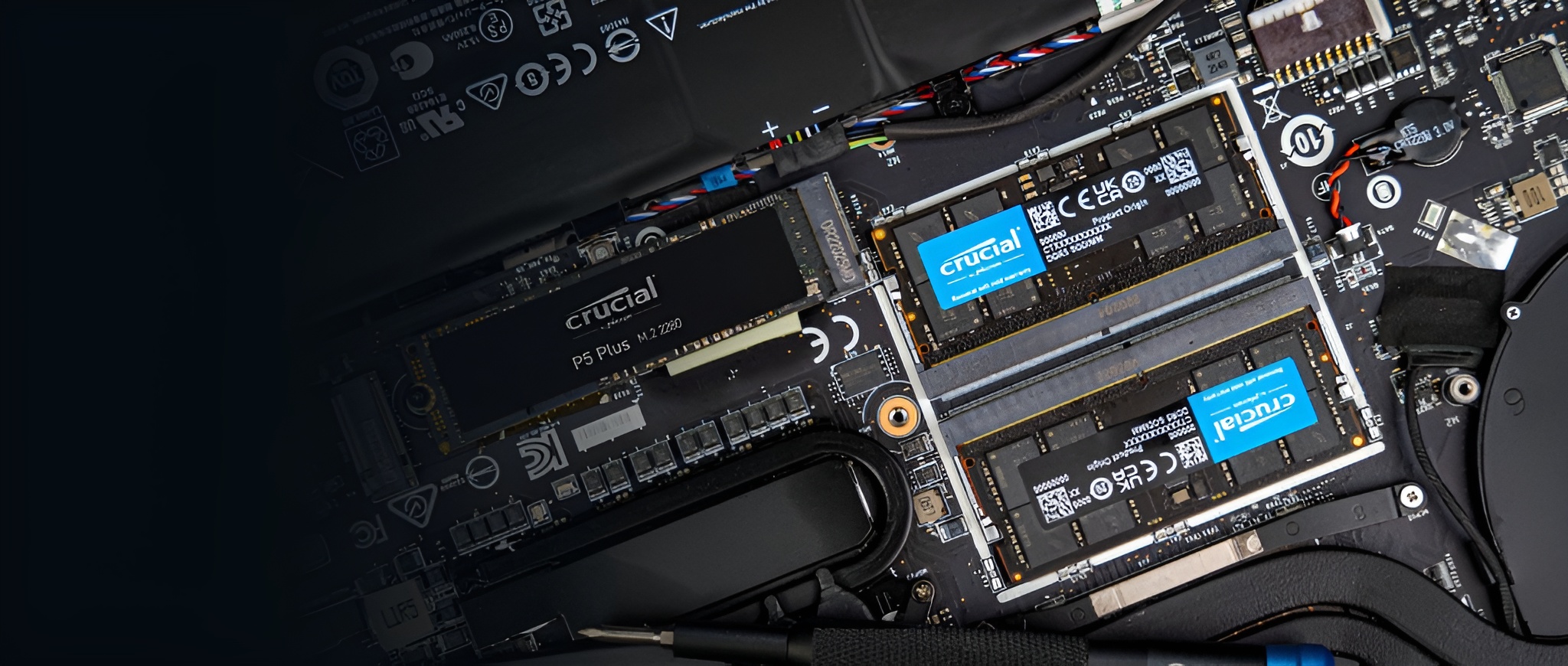
Laptop makers are bracing for a growing memory crunch, and a new industry report suggests the impact will be hard to miss: expect to see more 8GB laptop configurations returning to store shelves, even as many buyers have been moving toward 16GB and beyond.
The reason comes down to supply pressure. DRAM shortages are reportedly reaching an “alarming” point for manufacturers, forcing companies to rethink how they build and price notebooks. Instead of treating memory as an easy spec bump, brands are now planning around limited availability to protect inventory and profitability. In practical terms, that means two things are already happening across the market: more aggressive price increases, and more laptops shipping with lower memory to keep production moving.
Some manufacturers have reportedly raised prices by hundreds of dollars, and the expectation is that models with higher memory capacities could become dramatically more expensive. The mid-range notebook category, which makes up the biggest share of overall laptop sales, is expected to lean into 8GB RAM configurations more often as a way to stabilize supply chains and avoid even bigger product delays.
This isn’t just a short-term hiccup. The report indicates laptop shipments are shifting toward 8GB as part of longer-term planning, with pricing expected to swing even more sharply heading into Q2 2026. While certain PC makers previously managed to soften the blow thanks to large DRAM stockpiles, that buffer appears to be fading. As a result, broader price hikes now look increasingly likely.
The timing is awkward for consumers because recent PC standards have been pushing in the opposite direction. In 2025, Microsoft set 16GB RAM as the baseline requirement for Copilot-certified PCs, reinforcing the idea that modern computing—especially AI-assisted features and heavier multitasking—needs more memory, not less. Now, the industry could be headed toward a period where developers and software makers are pressured to optimize applications to run well under tighter memory constraints, simply because higher-capacity configurations may become harder for manufacturers to offer at reasonable prices.
Evidence of this shift is already showing up in upgrade pricing. In one example, a major laptop brand is reportedly charging an extra $550 to move from 16GB to 32GB of LPDDR5X memory. That kind of surcharge signals a broader trend: RAM upgrades are becoming premium add-ons, and manufacturers are increasingly pricing memory like a high-margin luxury rather than a straightforward specification change.
Looking ahead to 2026, the big question is how far this goes—whether DRAM supply improves, prices stabilize, or the market is forced into deeper changes in how laptops are configured and sold. What’s clear now is that the PC industry may need major adjustments to keep laptops available, affordable, and aligned with what modern software actually requires.