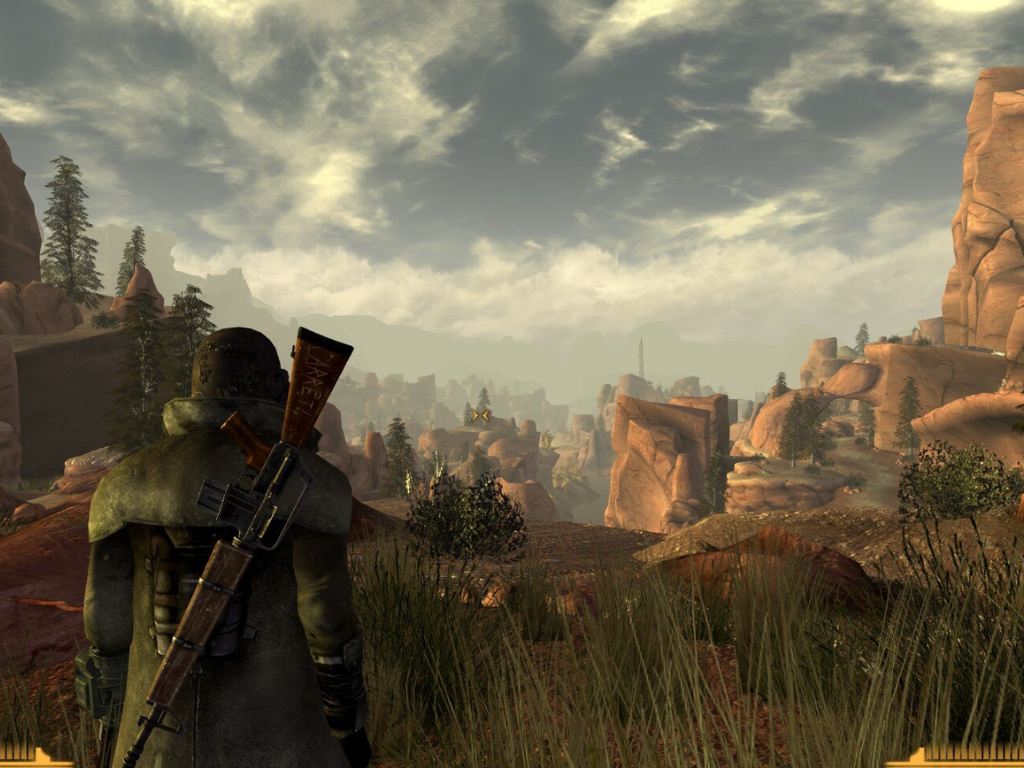
Fallout: New Vegas director Josh Sawyer says job security in gaming has never felt real—and it still doesn’t
Even after helping shape modern role-playing games, Josh Sawyer admits he’s never felt safe in his career. During a keynote at the Games Connect Asia Pacific conference in Melbourne, the Design Director and Game Director behind Fallout: New Vegas and the Pillars of Eternity series reflected on 26 years in the industry marked by uncertainty.
“In 26 years, I’ve never really felt secure in a job. Even now. Less so now, actually. That’s pretty messed up.”
Sawyer’s perspective carries weight. He began his career in 1999 at Black Isle Studios, turning a love of tabletop RPGs into a profession and later leading acclaimed releases such as Fallout: New Vegas (2010) and Pillars of Eternity (2015, 2018). Today, he directs projects at Microsoft-owned Obsidian. Yet his core message is clear: if even a veteran with marquee titles feels precarious, what does that say about job security for game developers at large?
His comments land amid a turbulent moment for the video game industry. Teams across multiple studios have faced significant job cuts, including at places like Cloud Chamber and ZeniMax Media, alongside the cancellation of long-running projects. It’s a jarring contrast to headlines about record-breaking launches and runaway blockbuster revenues. As development scopes balloon and budgets climb to court audiences of millions, questions about sustainability are intensifying. Why does developer precarity persist when the market is bigger than ever?
Sawyer also pointed to real progress—especially around who gets to make games. Early in his career, he recalled, “I didn’t work with any women developers for my first five years.” Today, remote work and flexible setups are broadening the talent pool beyond traditional hubs, helping teams bring in underrepresented voices. According to Sawyer, many developers now report higher productivity in flexible arrangements, with 75% saying they get more done outside rigid office constraints. The benefits are creative as well as cultural: more perspectives, fewer geographical barriers, and teams built around fit and skill rather than zip code.
Even so, the industry’s business practices haven’t kept pace with its growth. As production timelines lengthen and expectations rise, developers still shoulder the risk when projects pivot, pause, or stall. Sawyer’s keynote underlines the need for models that better balance ambition with stability—so that the people who build our favorite worlds can count on a stable one themselves.
For players, the message is a reminder that the games we love exist thanks to teams navigating a fragile ecosystem. For studios and publishers, it’s a call to build long-term, human-centered strategies that match the scale of modern development. The future of game-making depends on it.