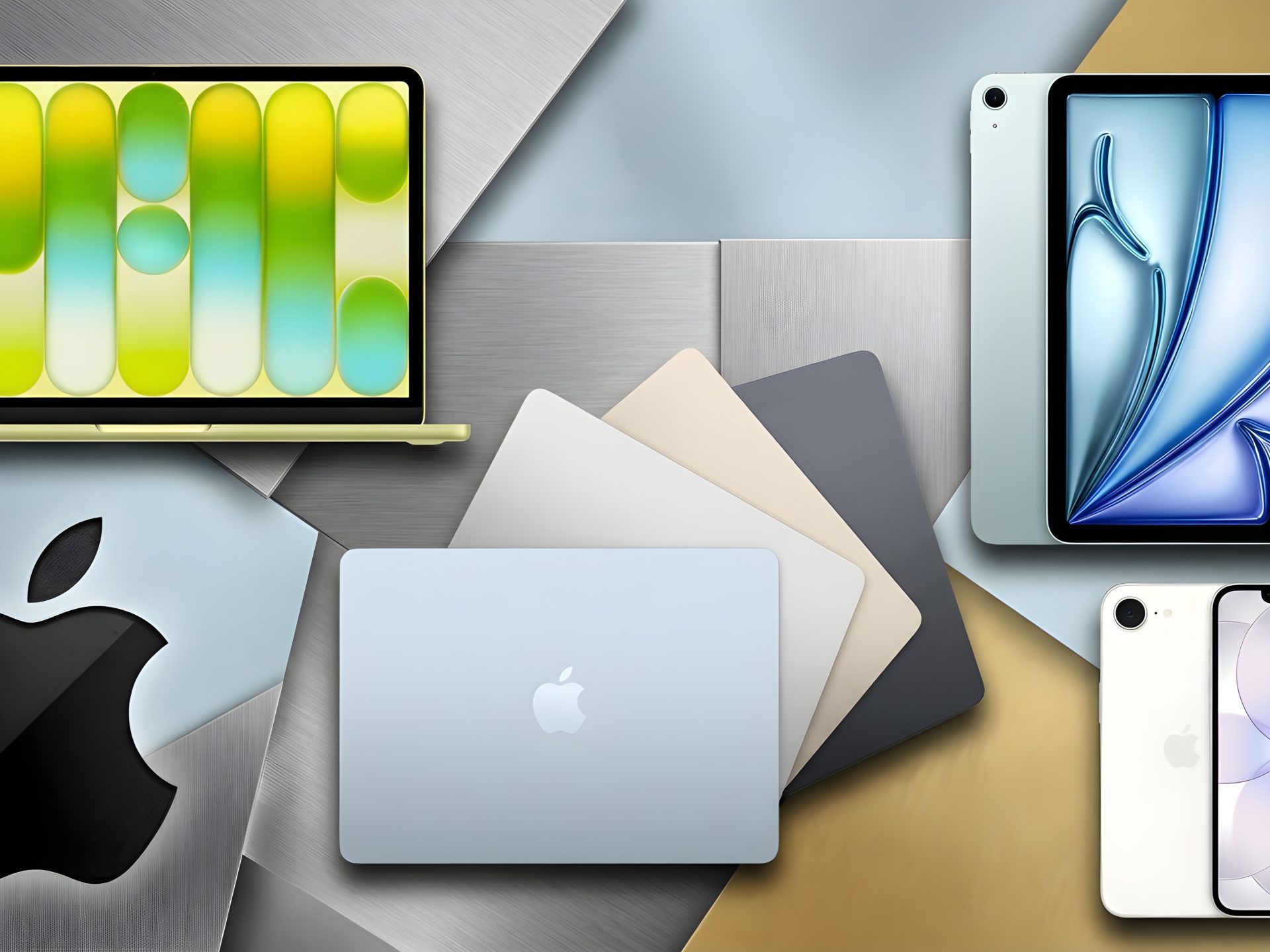
Apple’s lineup of “affordable” devices has grown so quickly that value now comes in more forms than ever. Instead of forcing shoppers into a single expensive flagship purchase, Apple is stacking the lower-cost end of its ecosystem with enough options to cover nearly every kind of buyer—students, first-time iPhone users, families shopping for multiple devices, and anyone who wants to enter the Apple ecosystem without spending premium-flagship money.
Here’s the eye-catching comparison: in the US, the 2TB iPhone 17 Pro Max currently sells for $1,999. For about the same total, you can pick up a full bundle of five Apple devices aimed at budget-conscious buyers: iPhone 17e ($599), MacBook Neo ($599), iPad 11 ($349), Apple Watch SE 3 ($249), and AirPods 4 ($129). Together, that comes to $1,925—leaving a little room to spare versus Apple’s top-tier iPhone.
Two of those products—the iPhone 17e and MacBook Neo—were only introduced last week, and they set the tone for what Apple seems to be doing: delivering modern features at lower prices, while still keeping clear separation from the most expensive “Pro” gear.
The iPhone 17e, for example, keeps Face ID with a notch that houses the facial recognition hardware and selfie camera. It also ships with a Super Retina XDR OLED display that can hit up to 1,200 nits of peak brightness, which is a major spec for readability and HDR content. Powering it is the A19 chip featuring a 6-core CPU and 4-core GPU, plus neural accelerators for on-device intelligence tasks. It also includes Apple’s C1X modem, which is said to be up to twice as fast as the C1 found in the iPhone 16e.
On the laptop side, the MacBook Neo targets buyers who want a fresh Mac experience at a lower entry price. It includes a 13-inch Liquid Retina display with a 2,408 x 1,506 resolution and 500 nits brightness, along with uniform bezels, Touch ID, a 1080p front camera, and dual-firing speakers with Spatial Audio support. Apple also leans into personality here with a brightly colored aluminum chassis and a color-matching keyboard. That lower price comes with compromises, though: only two USB-C ports (with very different capabilities), an A18 Pro chip, 8GB of RAM, and a mechanical trackpad that drops pressure-sensing features.
The rest of the “affordable five” have been around a bit longer, and that may actually improve their value. Apple released iPad 11 in March 2025, Apple Watch SE 3 in September 2025, and AirPods 4 in September 2024. Because these aren’t brand-new launches anymore, they can often show up in periodic online discounts below list price, which can make the total “five-device bundle” even more compelling for shoppers trying to maximize Apple ecosystem value.
While Apple builds out the lower end, it’s also preparing to stretch the opposite side of the price spectrum. A wave of ultra-premium devices is expected, aimed at buyers who want the newest form factors and the most cutting-edge hardware Apple can deliver.
The biggest headline is the anticipated iPhone Fold, expected later this year, with a price reportedly above $2,000. It’s rumored to feature a large inner display and new engineering touches such as in-display sensors, COE (Color Filter on Encapsulation), and an updated hinge design intended to dramatically reduce the display crease—one of the most common complaints about foldable phones.
There’s also talk of next-generation AirPods Pro that could include a camera to enable Siri “Visual Intelligence” features, potentially launching later this year. If that happens, it would help Apple form a trio of AI-focused products that also reportedly includes smart glasses and an AI pendant—signaling a broader push into assistive, always-available wearable computing.
On the Mac side, Apple is rumored to be working on a higher-end MacBook Pro with a touch-enabled OLED display. That model is expected to come with a price increase of around 20 percent compared with the recently launched M5 Pro and M5 Max MacBook Pro lineup. There’s even speculation Apple could apply the “Ultra” label to this OLED MacBook, reinforcing its premium tier.
Taken together, the strategy looks clear: Apple wants an option for every budget level. From a lower-cost iPhone and entry MacBook to foldable phones and OLED “Ultra” laptops, Apple appears determined to cover nearly every consumer segment—offering a path into its ecosystem whether someone is stretching a budget or chasing the most advanced hardware money can buy.


