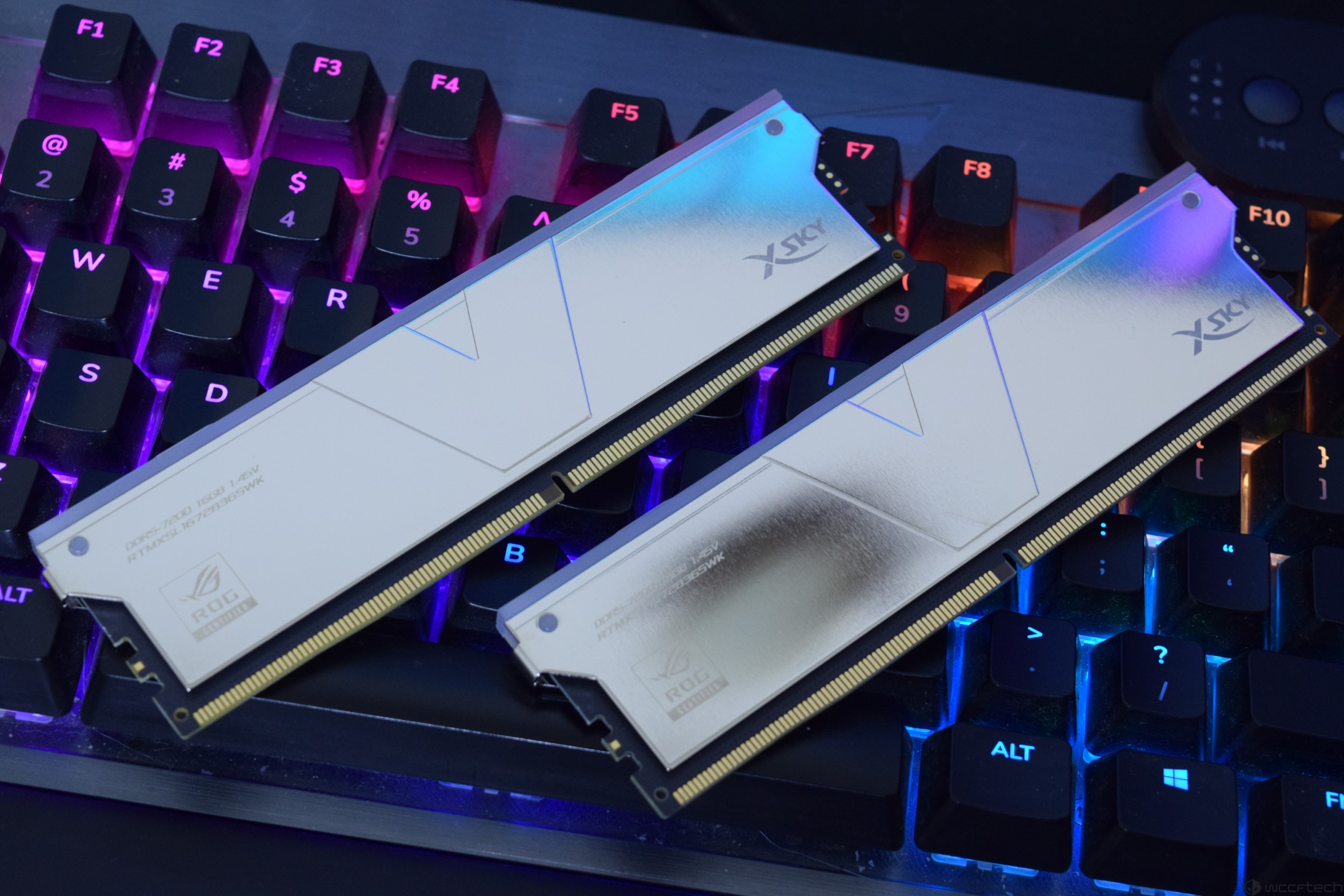
DRAM prices are soaring to levels that would have seemed unthinkable a year ago, and the consumer memory market is feeling the squeeze. After years of grappling with graphics card shortages, PC builders and gamers now face a new hurdle: tightening RAM supply and sharply higher prices.
The driver behind this surge is the AI boom. Demand from AI training and inference workloads has devoured manufacturing capacity across the memory industry. Major suppliers have reworked their production lines to prioritize high-bandwidth memory (HBM) and server-focused DDR5 for cloud service providers, leaving less output for retail consumer modules. Several manufacturers have even paused taking new DDR orders, and contract pricing for DDR5 has reportedly been halted by at least one top supplier, a move others may mirror.
Spot pricing tells the story. In 2025, DRAM prices have jumped hard, with 16Gb DDR5 chips nearly doubling in just a month to around $15.50. That momentum isn’t expected to fade quickly. With AI and cloud clients locked into long-term procurement and data centers consuming vast quantities of memory, supply constraints are projected to linger into at least the first quarter of 2026.
This supply squeeze is already showing up on store shelves. Retail memory kits from popular brands have climbed steadily since late Q3, with typical increases ranging from 20% to 40% in recent weeks. The biggest pressure is on newer DDR5 kits, but even DDR4 is being pulled higher as manufacturers shift resources to meet enterprise demand. In parallel, the long-term contracts between AI firms and DRAM suppliers mean consumer channels will likely remain a lower priority, keeping retail inventories thin.
For the DRAM industry, this is a revenue windfall. For everyday buyers, it’s a headache. If you’re planning a PC build or considering a memory upgrade, waiting may not pay off. Prices are on an upward trajectory, and the window for reasonable deals is narrowing.
Practical tips to navigate the RAM crunch:
– Buy sooner rather than later. If you’re on the fence about upgrading, locking in a purchase now could save you money versus waiting weeks or months.
– Be flexible on speed and timings. Stepping down from flagship DDR5 speeds to midrange kits often yields meaningful savings with minimal real-world performance loss.
– Consider capacity sweet spots. For gaming and general use, 32GB is a safe long-term choice on modern platforms; creators and heavy multitaskers may still benefit from 64GB.
– Don’t overlook DDR4 if your platform supports it. It can deliver excellent value compared to DDR5 in many workflows.
– Watch seasonal promotions. Discounts may still pop up, but expect them to be modest compared to previous years.
– Check motherboard compatibility. Verify QVL lists and ensure XMP/EXPO profiles are supported to avoid headaches and returns.
– Explore bundled deals. Prebuilt systems and CPU-motherboard-memory combos can sometimes undercut standalone module pricing during supply crunches.
What to expect next? As manufacturers allocate more lines to HBM and server-class DDR5 to feed AI growth, consumer availability will likely remain secondary. Any easing will depend on new capacity coming online or a cooldown in enterprise demand—neither of which appears imminent. Volatility is also a risk: sudden shifts in spot pricing can ripple quickly through retail.
Bottom line: the memory market has pivoted around AI, and consumers are caught in the crosswinds. If you’ve been waiting to upgrade your RAM, the smartest move is to shop now, be flexible with specs, and act fast when you see a fair price. Waiting for a broad price correction could mean paying significantly more later.