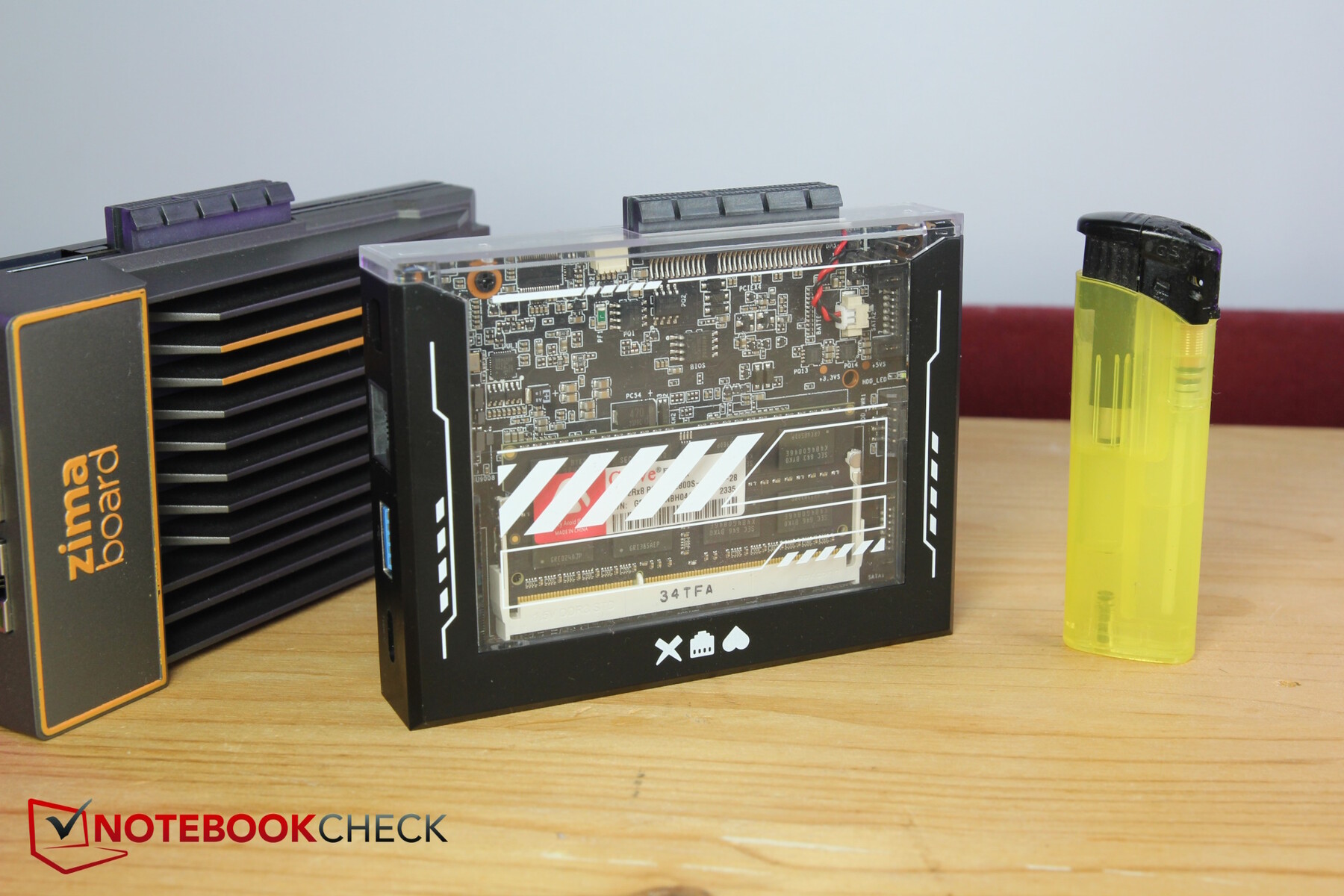
IceWhale Rebrands ZimaBlade as ZimaBoard SE With Upgraded Storage and ZimaOS Plus
IceWhale is refining its home server lineup with a fresh branding move: the ZimaBlade name is being retired, but the compact server itself is not going away. Instead, the device will continue as the ZimaBoard SE, giving buyers a more unified naming structure alongside the rest of the ZimaBoard family.
The change is more than just a new name. IceWhale is also simplifying the hardware configuration while adding a few practical upgrades that make the device more appealing for home lab users, NAS builders, self-hosting enthusiasts, and anyone looking for a compact x86 server.
The biggest hardware change is the removal of multiple processor options. Going forward, the ZimaBoard SE will ship with a single CPU choice: the Intel Atom x7-E3950. This quad-core, four-thread processor can reach clock speeds of up to 2.0 GHz and is designed for low-power systems, making it a good fit for lightweight server tasks, media management, file storage, networking tools, and personal cloud projects.
Previously, buyers could also choose a model with an Intel Celeron J3455, but that configuration is being discontinued. By standardizing the processor, IceWhale is likely aiming to make the product easier to understand, easier to support, and simpler to position within its growing ecosystem.
RAM options remain flexible. The ZimaBoard SE will continue to be offered with either 8 GB or 16 GB of preinstalled memory, allowing users to pick the model that best matches their workload. The 8 GB version should be suitable for basic home server use, light NAS duties, and simple self-hosted applications, while the 16 GB model gives users more breathing room for containers, multiple services, and more demanding home lab setups.
Storage gets a useful upgrade as well. Instead of the previous 32 GB of built-in storage, every ZimaBoard SE model now includes 64 GB as standard. That extra capacity should make the out-of-box experience smoother, especially for users installing apps, running services, or experimenting with different operating systems.
Another important change is software-related. New ZimaBoard SE units now come with ZimaOS Plus preinstalled, currently at version 1.7.1. This gives users a ready-to-use platform for managing apps, storage, and server functions right after setup. However, since the device is still based on x86 hardware, users are free to install other compatible operating systems if they prefer a more customized setup.
IceWhale is also updating the overall package. The refreshed ZimaBoard SE arrives in new packaging and includes a power adapter along with a SATA Y-cable. That means users can connect drives and start building projects more quickly without immediately needing extra accessories.
Pricing remains competitive for a compact home server. The ZimaBoard SE with 8 GB of RAM is priced at $159, while the 16 GB version costs $199. For users interested in building a personal NAS, running Docker containers, hosting private cloud services, experimenting with networking tools, or creating a low-power home lab, the ZimaBoard SE continues to be a flexible and affordable option.
With the rebrand from ZimaBlade to ZimaBoard SE, IceWhale is clearly working to streamline its product lineup while keeping the core appeal of the device intact. The simplified CPU selection, doubled internal storage, included accessories, and preinstalled ZimaOS Plus make the updated model easier to recommend for beginners and still useful for experienced tinkerers.