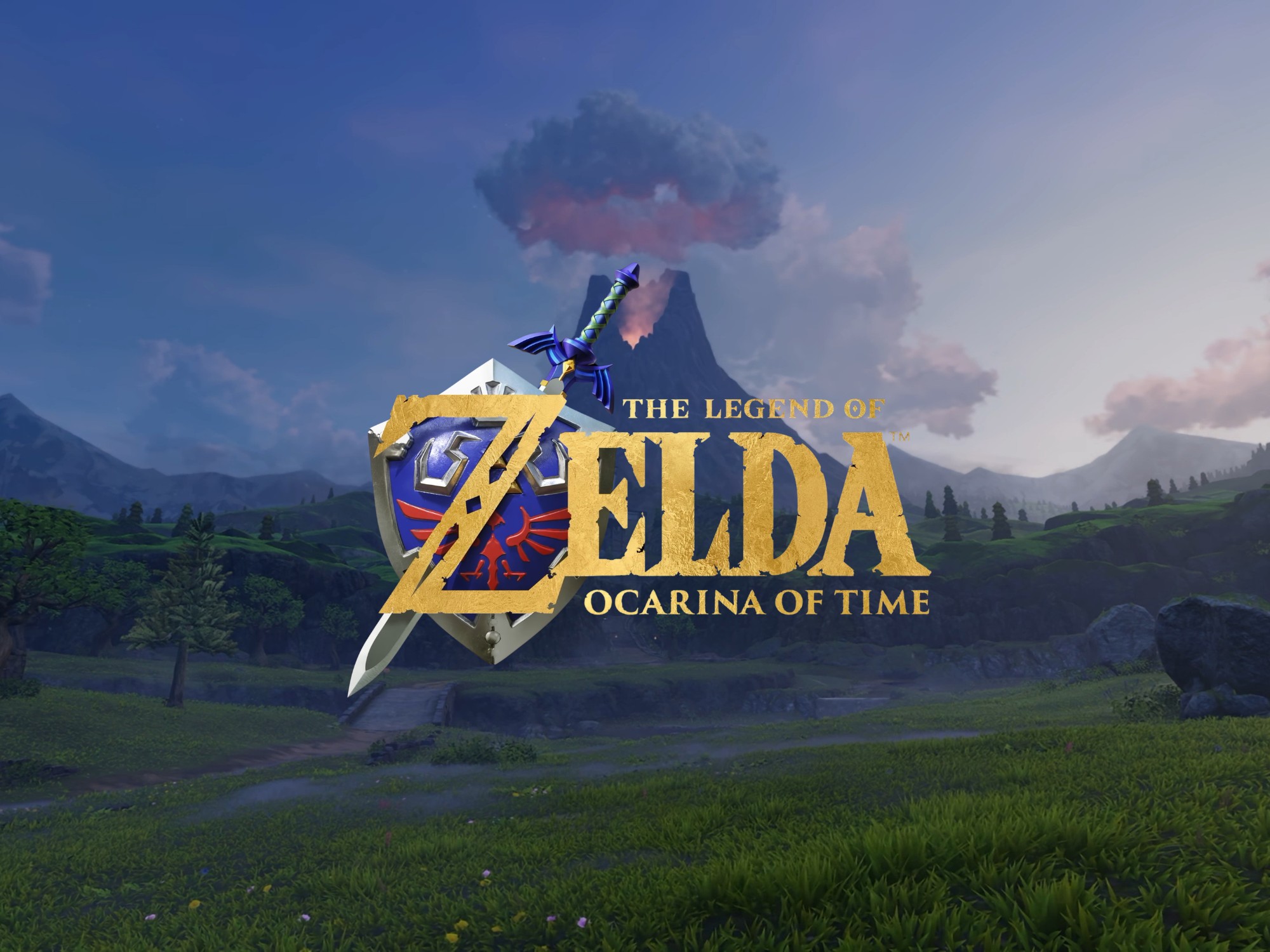
Zelda: Ocarina of Time Remake Reportedly Runs at 1080p and 60 FPS on Switch 2, but DLSS Could Have Helped
Nintendo’s long-rumored return to one of its most beloved adventures is already generating major excitement. After the latest Nintendo Direct showcase, new analysis of the Zelda: Ocarina of Time remake suggests that the upcoming Switch 2 title is aiming for a smooth 60 frames per second while running at 1080p during gameplay.
That alone would mark a major upgrade for longtime Zelda fans. The original Ocarina of Time remains one of the most influential games ever made, and a modern remake with sharper visuals, improved animation, and fluid performance could make Hyrule feel fresh again for both returning players and newcomers.
According to performance observations from the trailer, gameplay appears to render at native 1080p with a steady 60 fps target. Menus may be displayed at a higher 1440p resolution, but the core gameplay footage shown during the presentation seems focused on delivering a consistent and responsive experience rather than pushing maximum pixel count.
One of the most interesting details is that the remake does not appear to be using Unreal Engine 5, despite early speculation from viewers. Some fans noticed visual elements that looked similar to modern UE5 projects, but closer analysis suggests Nintendo may instead be relying on an internal engine or technology developed with one of its trusted partners.
Monolith Soft is a strong possibility, given the studio’s history of supporting major Nintendo projects, including recent entries in the Zelda series. The team has experience building large environments and optimizing ambitious games for Nintendo hardware, making it a natural fit for a project as important as Ocarina of Time.
The decision to avoid Unreal Engine 5 may have helped the remake achieve its 60 fps target. While UE5 can produce stunning visuals, it can also be demanding on hardware. A custom or heavily optimized engine gives developers more control over performance, which is especially important for a game expected to shine in both docked and handheld play on Switch 2.
For fans, the jump to 60 fps could be one of the remake’s biggest improvements. The Legend of Zelda: Breath of the Wild and Tears of the Kingdom both targeted 30 fps on the original Switch hardware. Seeing Ocarina of Time presented at twice that frame rate could make combat, exploration, camera movement, and horseback riding feel noticeably smoother.
However, the presentation is not without drawbacks. The footage appears to use a very sharp image, and at 1080p, that added sharpening can make some scenes look harsher than intended. Close-up shots of Link may appear overly glossy, while outdoor environments show signs of shimmering, particularly in foliage and fine background details.
This is where DLSS could have made a meaningful difference. Since Switch 2 is expected to use Nvidia technology, many players hoped Nintendo’s first-party games would lean more heavily on DLSS upscaling to improve image clarity. Even a basic implementation could reduce shimmering, soften excessive sharpening, and produce a cleaner overall picture while preserving performance.
The absence of DLSS in the footage is surprising, especially because Ocarina of Time’s remake seems like an ideal showcase for the feature. A game targeting 60 fps at 1080p could potentially benefit from smart upscaling, improving perceived resolution without putting too much strain on the hardware.
Still, the early signs are promising. A full remake of The Legend of Zelda: Ocarina of Time running at 1080p and 60 fps would be a major technical and nostalgic milestone for Nintendo. If the final release maintains that level of performance, players may be getting one of the smoothest 3D Zelda experiences to date.
The Zelda: Ocarina of Time remake is expected to launch on November 5. More footage will be needed to confirm how the game performs in handheld mode and whether Nintendo makes any visual adjustments before release. For now, though, the remake looks set to bring one of gaming’s greatest adventures into a new generation with faster performance, modern visuals, and plenty of excitement surrounding its return.