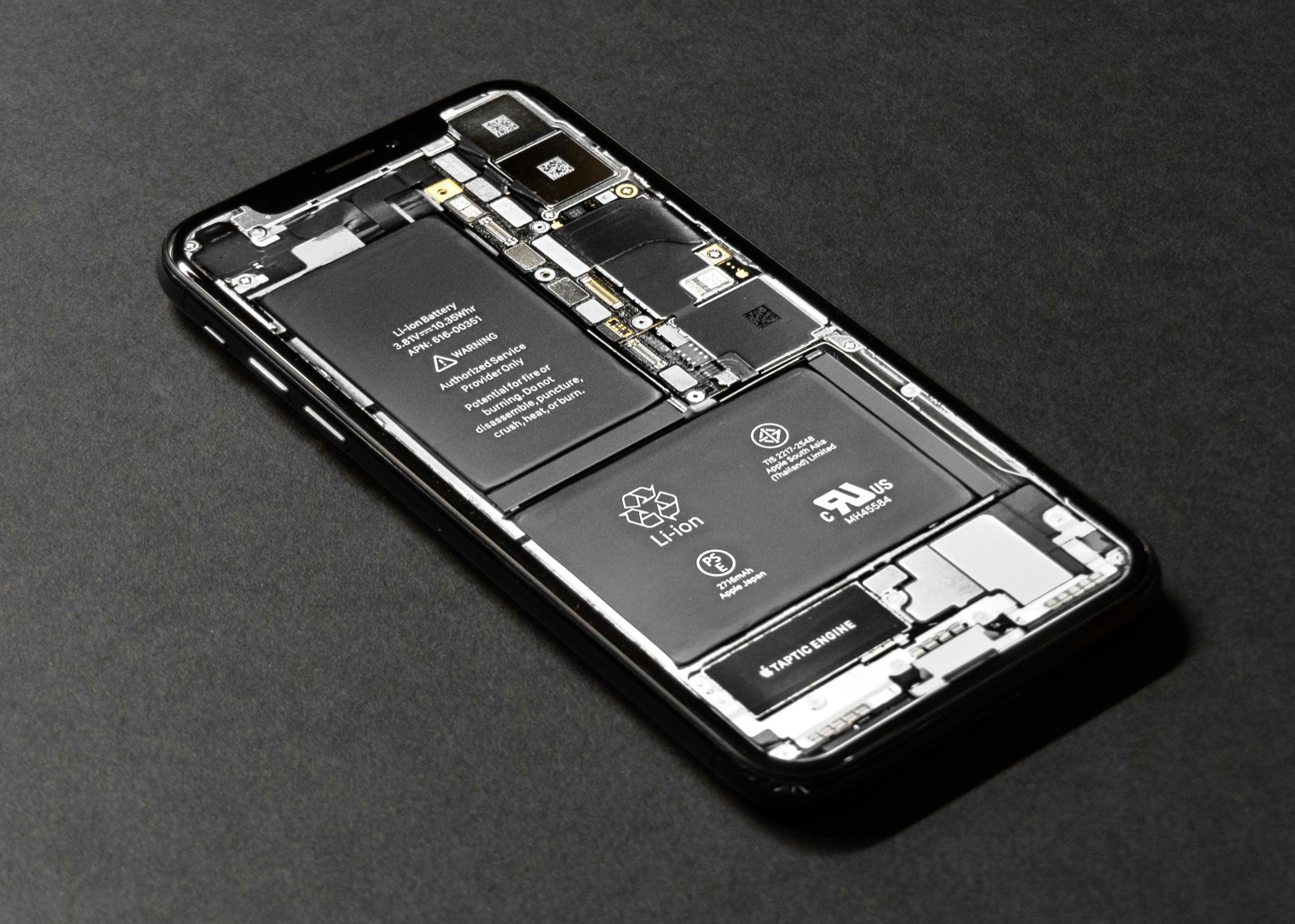
Why do so many smartphones lose battery capacity on their way to Europe? In China, even compact models like the iQOO 15 Mini boast 7,000mAh cells, and brands are experimenting with surprisingly slim designs targeting 15,000mAh. Yet European buyers often never see these mega-battery phones—or they arrive with noticeably smaller capacities, as seen with models like the Xiaomi 15 Ultra.
The roadblock is a transport rule, not a tech limitation. Under the European Agreement concerning the International Carriage of Dangerous Goods by Road (ADR), any single battery cell above 20Wh must be shipped as dangerous goods. That triggers higher costs, strict handling requirements, and limited carrier availability. Since a typical smartphone battery runs around 3.8–3.85V, that 20Wh cap translates to roughly 5,200mAh. Go beyond it, and logistics become a headache.
This affects more than retail channels. While some consumers consider importing phones from abroad, there’s a catch: devices are often labeled incorrectly, making shipping unlawful. Even if a phone does arrive, service can be a problem. Many companies won’t accept devices over 20Wh for repair or trade-in because of the added logistical effort and liability involved.
On paper, there is a straightforward workaround: use multi‑cell batteries. If a battery is split into multiple cells and each cell stays under 20Wh, manufacturers can build larger overall capacities without tripping the dangerous goods threshold. That’s why laptops, gaming handhelds, and tablets frequently ship with big batteries without issue.
Smartphone makers, however, largely reject this path. They argue that multi-cell designs take up more space, adding thickness and weight—two things that can make a phone less competitive. Standing up an extra production line for the EU and US just to accommodate a thicker chassis and multi-cell battery is seen as economically unattractive. One major manufacturer says it simply ships the same battery hardware to Europe but lowers the voltage to fall under the 20Wh limit. The result: lower mAh on the spec sheet with no change to the physical battery. A concrete example is the Vivo X200 Pro, which carries a 6,000mAh battery in most regions but drops to around 5,200mAh in Germany and Austria to comply.
Will the rules change? The industry is pushing for an update, but nothing is expected before 2027 at the earliest, and there’s no firm plan to raise the 20Wh threshold. That’s frustrating for buyers: in one survey cited by a manufacturer, roughly two‑thirds of users said they’re unhappy with their phone’s battery life. Yet meaningful improvements in European battery capacities may be years away.
What European buyers should know right now:
– Check regional specifications closely; the same model can have different battery capacities by market.
– Be cautious with imports. Mislabeling is illegal, and phones over 20Wh may be refused for repair or trade-in.
– Multi-cell designs could help, but most brands won’t accept the added thickness, weight, and cost for EU-bound models.
– Until regulations evolve, expect manufacturers to prioritize efficiency and charging speeds rather than dramatically larger batteries.
Bottom line: Europe’s 20Wh per-cell shipping limit is the quiet force shaping smartphone battery specs. Unless laws change, many of the ultra‑high‑capacity phones making waves in Asia will either arrive with trimmed-down batteries—or not at all.