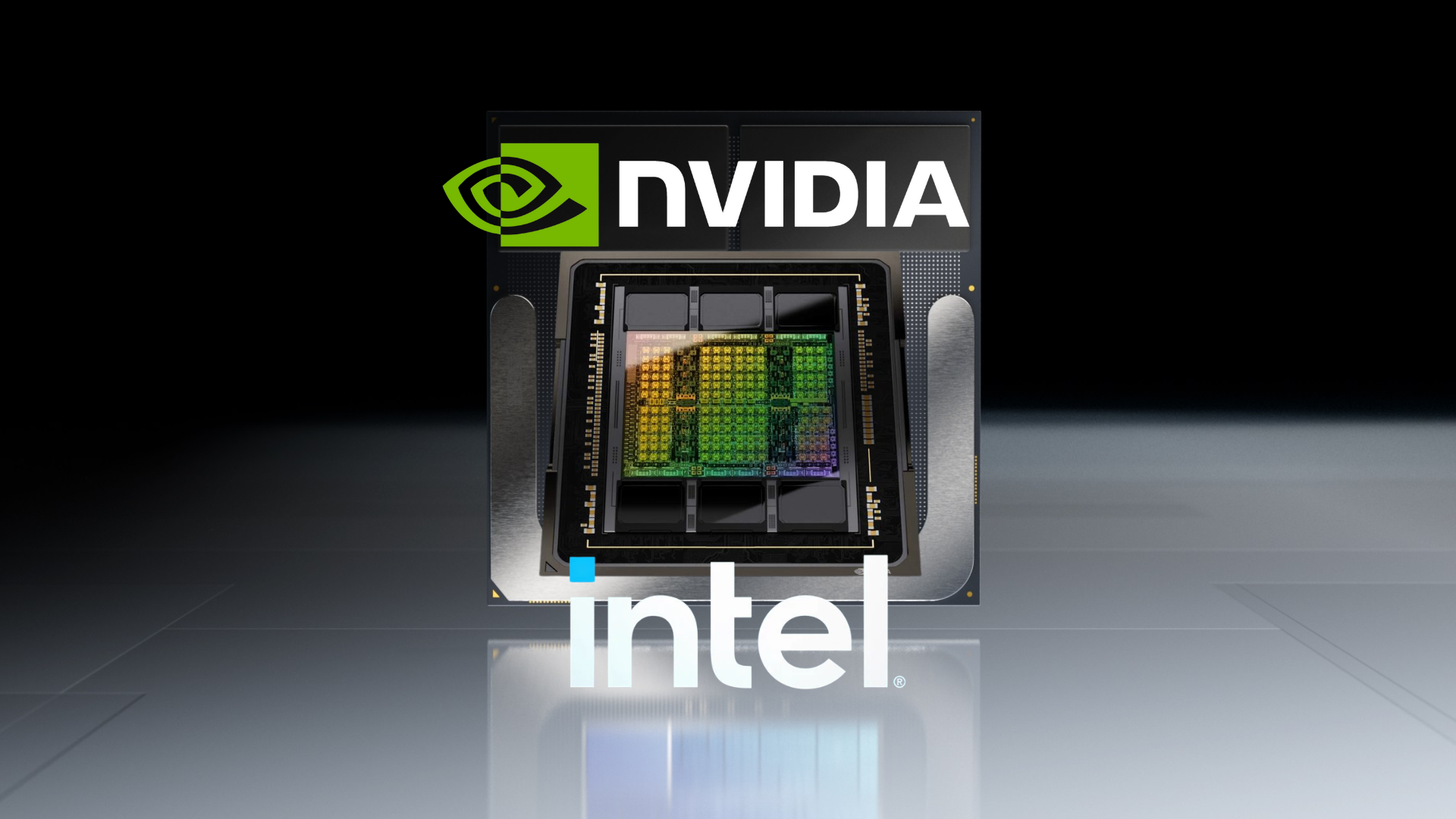
NVIDIA and Intel are reportedly building a custom x86 system-on-chip that combines Intel’s CPU architecture with NVIDIA’s RTX GPU chiplets. It’s a bold move that could reshape the PC landscape, but according to Acer’s chairman and CEO Jason Chen, the biggest story isn’t where the chip is manufactured—it’s how this partnership could complicate life for PC brands.
Chen’s take is straightforward: while many are fixated on potential ripple effects at foundries, PC makers like Acer, MSI, and Gigabyte face a more immediate challenge. The introduction of a new x86 platform alongside existing Intel and AMD offerings adds operational complexity across the board. With multiple generations of x86 processors already coexisting, a third major option means extra work in planning, stocking, validation, and support.
For OEMs and partners, the implications are significant:
– More complex inventory management, with additional SKUs and configurations to forecast and support
– Expanded product portfolios that require dedicated marketing, positioning, and pricing strategies
– Increased validation and integration work across firmware, drivers, thermals, and power delivery
– Heavier after-sales and warranty support requirements as more platforms reach consumers
Chen argues that brands need to internalize this shift rather than chase market hype. Success will depend on disciplined roadmaps, carefully curated product lineups, and strong after-sales services that can handle the added variability. In other words, the value proposition has to be sustainable for both the market and the manufacturers building these devices.
The timeline for NVIDIA-Intel x86 PCs isn’t set, but the scale of the effort appears large. Plans point to supporting around 150 million notebooks per year with these upcoming SoCs, signaling clear intent to make the platform mainstream rather than a niche experiment.
What to watch next:
– How OEMs prioritize platforms across Intel, AMD, and the new Intel-NVIDIA solution
– Software and driver readiness for a hybrid CPU-GPU chiplet design
– Pricing and performance positioning in laptops and desktops
– Supply chain resilience as brands juggle more platforms and generations
If executed well, the Intel-NVIDIA SoC could deliver compelling performance and efficiency gains. But for PC makers, the real test will be balancing innovation with operational discipline in an increasingly crowded x86 ecosystem.