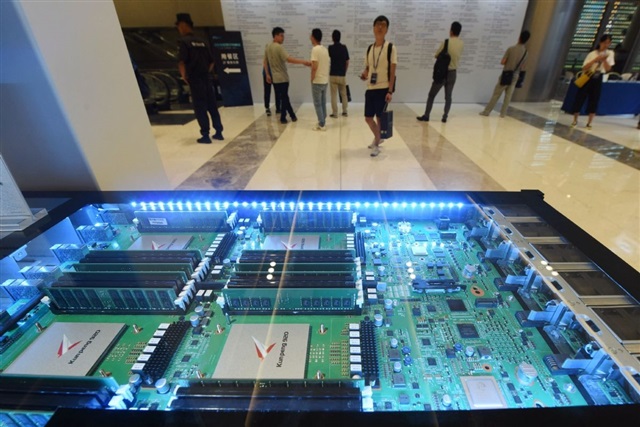
Global memory markets are heading into a fresh restructuring cycle, and the catalyst is clear: explosive AI demand is reshaping how the world sources and scales critical chips. As data centers race to add more computing power and storage for AI training and inference, memory has moved back to the center of the semiconductor conversation. In the middle of this shift, China’s leading memory makers, YMTC and CXMT, are accelerating capacity expansions and leveraging state-backed investment to compete more aggressively on the global stage.
For years, the memory industry has been dominated by established suppliers from the United States, South Korea, and Japan. That leadership was built on decades of process know-how, deep supplier ecosystems, and steady capital investment to keep pace with shrinking nodes and higher yields. But the AI boom is putting pressure on every part of the supply chain, from NAND flash used in enterprise storage to DRAM and related technologies vital for servers and high-performance computing. When demand spikes this quickly, the companies that can rapidly bring on capacity and secure long-term funding gain a major strategic advantage.
This is where YMTC and CXMT come into the picture. Both firms are scaling memory production capacity at a time when governments and enterprises worldwide are treating semiconductors as essential infrastructure. With stronger financial backing and an urgent national push to expand domestic chip capabilities, China’s memory sector is positioning itself to take a larger share of global output and influence how pricing and supply balance evolve over the next cycle.
The implications extend beyond simple competition. A capacity surge from new or fast-growing suppliers can alter global memory supply dynamics, especially during periods when demand and inventory levels swing sharply. In memory markets, these swings often lead to rapid shifts in pricing power, investment timing, and customer procurement strategies. As AI workloads continue to grow, buyers are increasingly focused on supply resilience, multi-sourcing, and long-term availability—factors that can open doors for additional qualified vendors.
In practical terms, the market is adapting to a new reality: AI is not a temporary bump, it’s a structural driver that lifts baseline memory demand across cloud providers, enterprise infrastructure, and potentially edge deployments over time. That sustained demand is encouraging aggressive capacity plans—and China’s YMTC and CXMT are moving to ensure they’re part of the next chapter rather than watching it from the sidelines.
As this restructuring cycle unfolds, expect the global memory landscape to become more competitive and more politically strategic at the same time. With AI continuing to pull the entire semiconductor industry forward, the race to scale memory production—secure investment, qualify products, and win customer trust—will help define who leads the market in the years ahead.