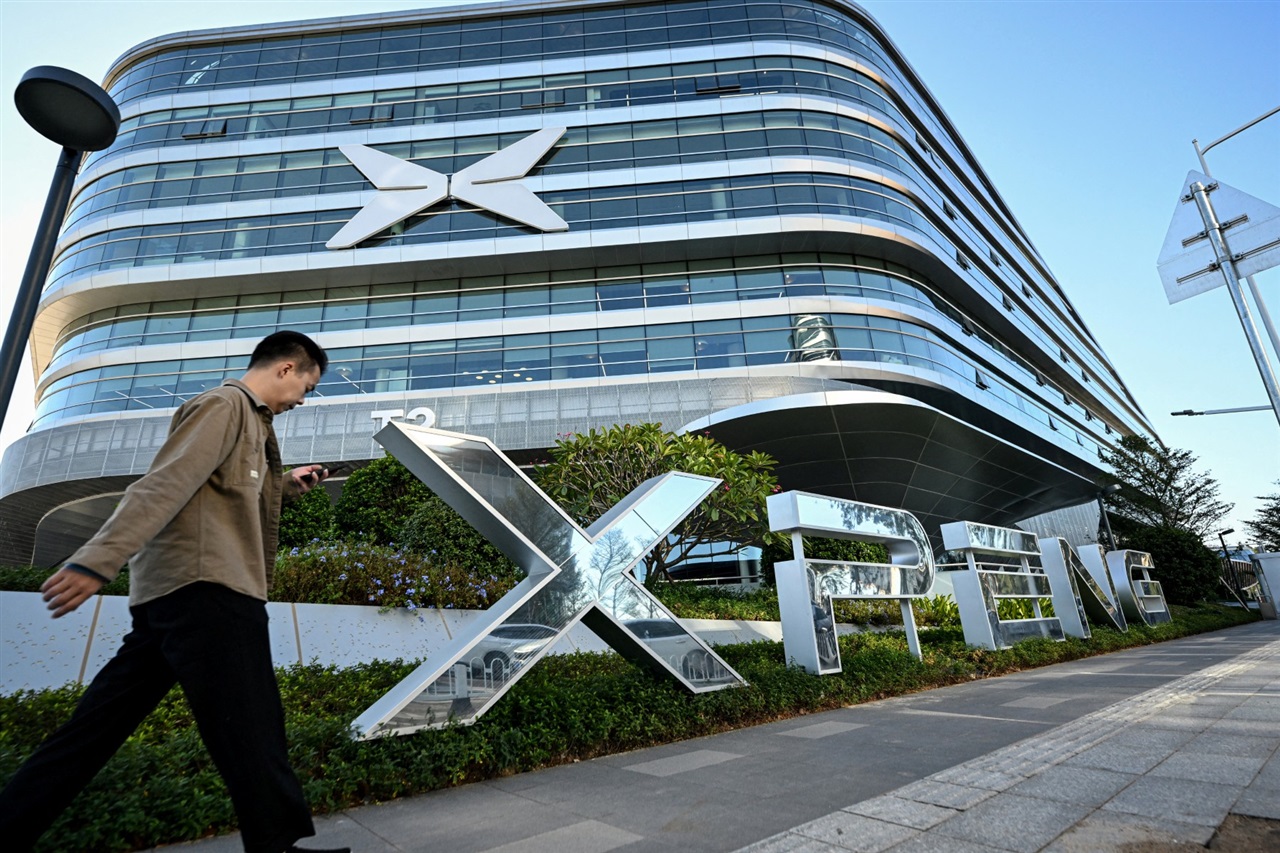
Xpeng Motors Takes a Patient Approach in South Korea While Sharpening Its Europe EV Strategy
Xpeng Motors is playing a careful but calculated global game as it works to expand beyond China’s highly competitive electric vehicle market. The Chinese EV maker, often compared to Tesla because of its focus on smart driving technology and software-driven vehicles, is currently moving at different speeds in two key regions: South Korea and Europe.
In South Korea, Xpeng appears to be taking a cautious approach. Rather than rushing into the market, the company seems to be studying local demand, competition, regulations, charging infrastructure, and consumer expectations before making a major move. That strategy may look slow from the outside, but it could help Xpeng avoid costly mistakes in a market where brand loyalty, service networks, and pricing all play a major role.
South Korea is not an easy market for foreign automakers, especially in the electric vehicle segment. Local brands already have a strong presence, and buyers are familiar with advanced EV technology from domestic manufacturers. For Xpeng, entering too quickly without a clear local strategy could make it difficult to stand out. A measured rollout would give the company more time to position its vehicles properly, build partnerships, and prepare after-sales support.
Europe, however, tells a different story. Xpeng is becoming more strategic and more ambitious across the region, where demand for electric vehicles remains strong despite changing incentives and growing competition. Europe is one of the most important overseas markets for Chinese EV brands, and Xpeng appears to see it as a long-term opportunity rather than a short-term experiment.
The company’s European push is likely centered on its strengths: smart cockpit features, driver-assistance technology, competitive pricing, and sleek vehicle design. These are the same areas that helped Xpeng gain attention in China, where EV buyers often compare brands not just by range and performance, but also by software, connectivity, and intelligent driving features.
As European drivers become more open to new electric vehicle brands, Xpeng has a chance to build recognition. However, success will not come easily. The company must compete against established European automakers, Tesla, and a growing wave of Chinese rivals that are also targeting the region.
One of those rivals is Zeekr, another Chinese EV brand expanding quickly outside its home market. Zeekr’s aggressive global ambitions show how intense the race has become among China’s electric car manufacturers. These brands are no longer focused only on domestic sales. They are now competing for international buyers, premium positioning, and long-term market share.
For Xpeng, the challenge is to balance speed with sustainability. Expanding too fast can create pressure on logistics, service quality, and brand reputation. Moving too slowly can allow rivals to capture attention first. That is why the company’s split strategy makes sense: wait and prepare in South Korea, while pushing more actively in Europe where the opportunity may be more immediate.
The broader picture is clear. Chinese EV makers are no longer just low-cost challengers. They are becoming serious global competitors with advanced technology, modern designs, and growing confidence. Xpeng’s international strategy reflects this shift. It is not simply exporting cars; it is trying to build a global smart EV brand.
If Xpeng can carefully adapt to local markets while maintaining its identity as a technology-focused automaker, it could become one of the more important Chinese EV names outside China. South Korea may remain on hold for now, but Europe is becoming a key battleground where Xpeng’s long-term global ambitions will be tested.