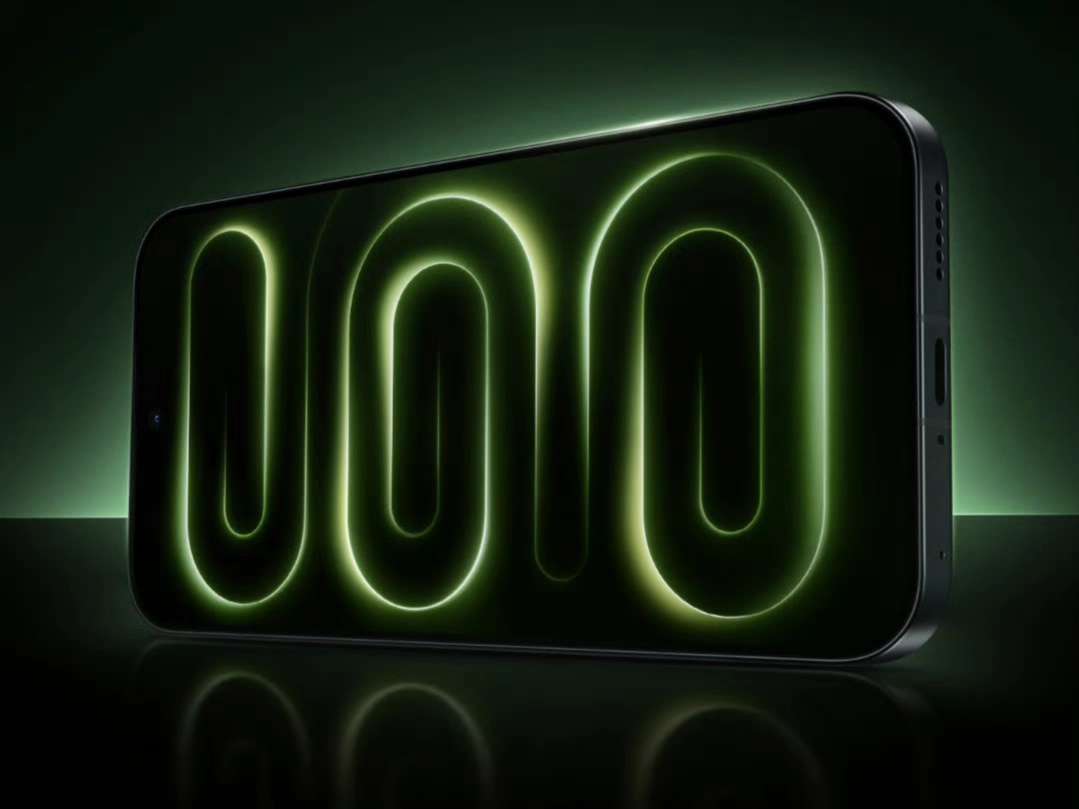
Xiaomi Redmi K100 Pro Max Display Revealed: 185Hz OLED, 4,500-Nit Brightness, and Full RGB Pixels
Xiaomi is building serious hype around the upcoming Redmi K100 Pro series, and the latest teaser makes one thing clear: the display is going to be one of its biggest selling points. Ahead of the official China launch on August 11, the company has revealed new details about the screen technology powering the Redmi K100 Pro Max and the wider K100 Pro lineup.
The headline feature is the ultra-fast 185Hz refresh rate, a spec aimed directly at gamers and users who want an extremely smooth visual experience. However, Xiaomi says the display is not just about speed. The panel also brings upgraded OLED materials, improved brightness, better power efficiency, and a full RGB pixel structure designed to improve clarity and color performance.
According to Xiaomi, the Redmi K100 Pro series uses a new-generation OLED luminescent material called M11. This is the first commercial use of the material, and it is said to improve overall screen luminous efficiency by 8%. The green emitter sees an even bigger jump, with Xiaomi claiming a 20% efficiency improvement.
Color performance also appears to be a major focus. The display is rated to cover 90% of the BT.2020 color gamut, which should help deliver richer and more vivid visuals for games, videos, and HDR content. Peak brightness is another standout figure, reaching up to 4,500 nits when measured at a 25% area ratio. That makes the K100 Pro series display significantly brighter than many current smartphone panels and should help outdoor visibility, HDR highlights, and overall contrast.
Xiaomi is also promoting the screen’s full RGB subpixel layout. Unlike shared subpixel arrangements, each pixel on this panel includes a complete red, green, and blue triad. In simple terms, this can help improve sharpness, text clarity, and fine visual detail, especially at the phone’s 1.5K resolution.
This full RGB structure is not entirely new for Redmi’s high-end models, as an earlier Pro Max device already used a similar arrangement with the previous M10 OLED material. However, the new M11 material, higher peak brightness, and efficiency gains suggest that the Redmi K100 Pro series is moving the display experience forward in several key areas.
Power consumption is another area Xiaomi is drawing attention to. The company claims the Redmi K100 Pro series panel uses less power at 1.5K resolution than two competing devices, though those rivals were not named. If the claim holds up in real-world use, the phone could offer a strong balance between high resolution, high refresh rate, and battery life.
Gaming is clearly central to the Redmi K100 Pro Max display strategy. Xiaomi has confirmed that more than 30 games will support native 185 fps gameplay, allowing users to take advantage of the screen’s 185Hz refresh rate. In addition, five major first-person shooter titles are said to be receiving dedicated 185 fps optimizations, which should appeal to competitive mobile gamers.
The company has also detailed several touch-response upgrades designed for gaming. Hot Zone Touch 2.0 is built to improve tap and swipe accuracy in frequently used touch areas, making controls feel faster and more reliable during intense gameplay. Xiaomi is also using AI-based mistouch prevention to reduce accidental palm touches and unintended gestures while gaming.
Another practical improvement is optimized touch response for wet or sweaty fingers. This could be especially useful during long gaming sessions or outdoor use, where standard touch panels can sometimes struggle with accuracy. The phone’s gyroscope sampling rate reaches up to 480Hz, which should help with smoother aim tracking in games that rely on motion controls.
With a 185Hz OLED display, 4,500-nit peak brightness, full RGB pixel structure, 1.5K resolution, and gaming-focused touch enhancements, the Redmi K100 Pro Max is shaping up to be one of Xiaomi’s most display-focused smartphones yet.
The Redmi K100 Pro series is scheduled to launch in China on August 11 at 19:00 local time. More details, including pricing, full specifications, and availability, are expected to be revealed during the official event.


