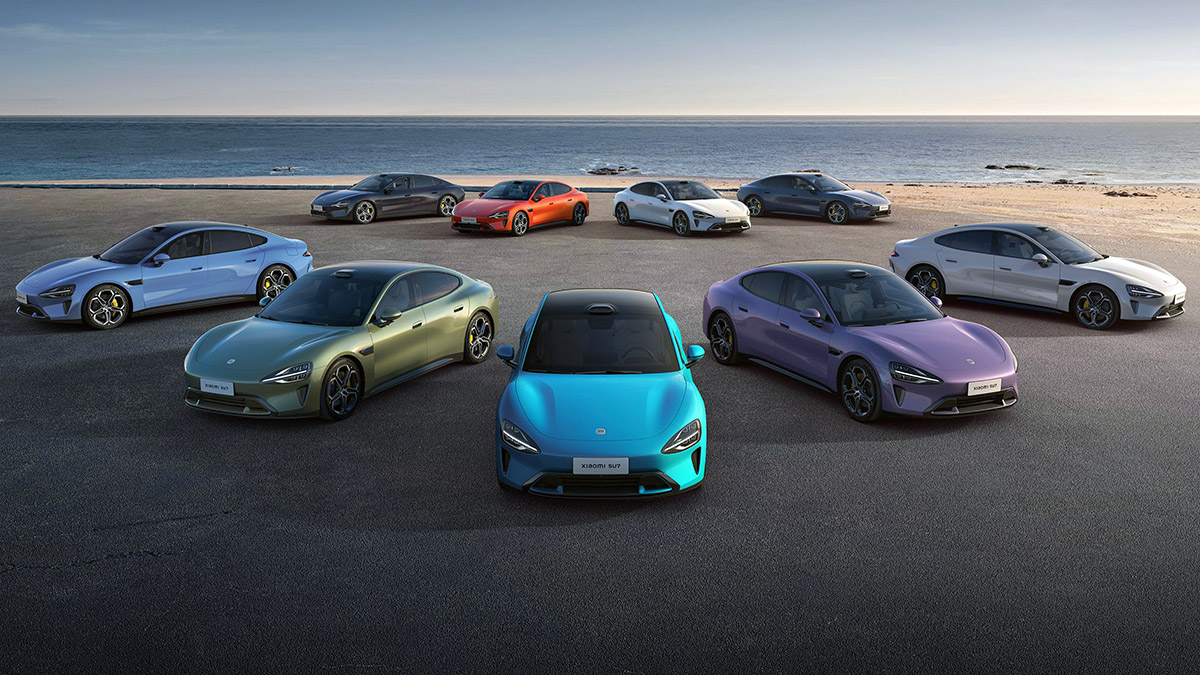
Xiaomi, traditionally known for its smartphone technology, is steering into the electric vehicle (EV) market with the launch of its very first car, the SU7. The company, ranked third-largest in phone manufacturing, is setting the stage for an ambitious entry into the EV space with the hope of becoming one of the top three EV makers worldwide.
During a high-profile announcement, Xiaomi’s CEO Lei Jun revealed details about the SU7, including its competitive price point aimed at disrupting the current market leaders, Tesla included. The starting price for the basic Xiaomi SU7 Standard trim is set at a seemingly attractive $29,900, positioning it just below the Tesla Model 3’s entry-level price.
The Standard trim is equipped with a 73.6kWh BYD LFP battery and a 220kW single rear motor. Moving up the range, the SU7 Pro is priced at $34,000 and features CATL’s Shenxing LFP battery tailored for cold weather performance, with a 94.3kWh capacity and a claimed range of 515 miles on the Chinese cycle (potentially 300-350 miles under EPA testing conditions).
The premium SU7 Max trim, tagged at $41,500, offers CATL’s flagship performance battery of 101kWh and an 800V fast-charging powertrain. The Max boasts a dual-motor drivetrain that provides explosive acceleration, launching from 0 in just 2.78 seconds.
Lei Jun suggested that Xiaomi might sell the SU7 at or below the cost of production, a strategy often used by Chinese tech firms to gain a foothold in new industries. This pricing strategy mirrors the approach Xiaomi used with its Redmi smartphone line, which significantly boosted their market share, trailing only behind giants like Samsung and Apple.
Lei Jun didn’t shy away from making comparisons with the competition during the presentation, noting that Tesla Model 3 owners might consider the Xiaomi SU7 for their next upgrade. This competitive spirit is reminiscent of Xiaomi’s approach to smartphone launches, where they often compare their products to those of Apple.
The SU7 is marked by Xiaomi’s proprietary Hyper OS operating system and offers advanced driver-assist features, high-resolution cameras, and inclusion of LiDAR and ultrasonic sensors—components that Tesla has chosen to eliminate for cost-saving measures.
Xiaomi has quickly developed the SU7, attributing the speed to a dedicated team of engineers and a strategic partnership with a state automotive conglomerate, allowing it to navigate regulatory processes more efficiently than it would have alone.
The SU7 Standard and Max trims are scheduled to begin shipping on April 3, with the SU7 Pro model following in May. In an impressive display of demand, 50,000 units were preordered within the first 30 minutes of reservations going live.
The company has also teased an upcoming electric SUV expected to launch by the end of the year, further expanding Xiaomi’s reach in the EV market. The move demonstrates Xiaomi’s commitment to innovation and its fans’ enthusiasm for new electric options from their trusted brand.
As Xiaomi ventures into the EV industry, offering technologically advanced and competitively priced cars, customers may have much to anticipate from this new player in the electric automobile space.


