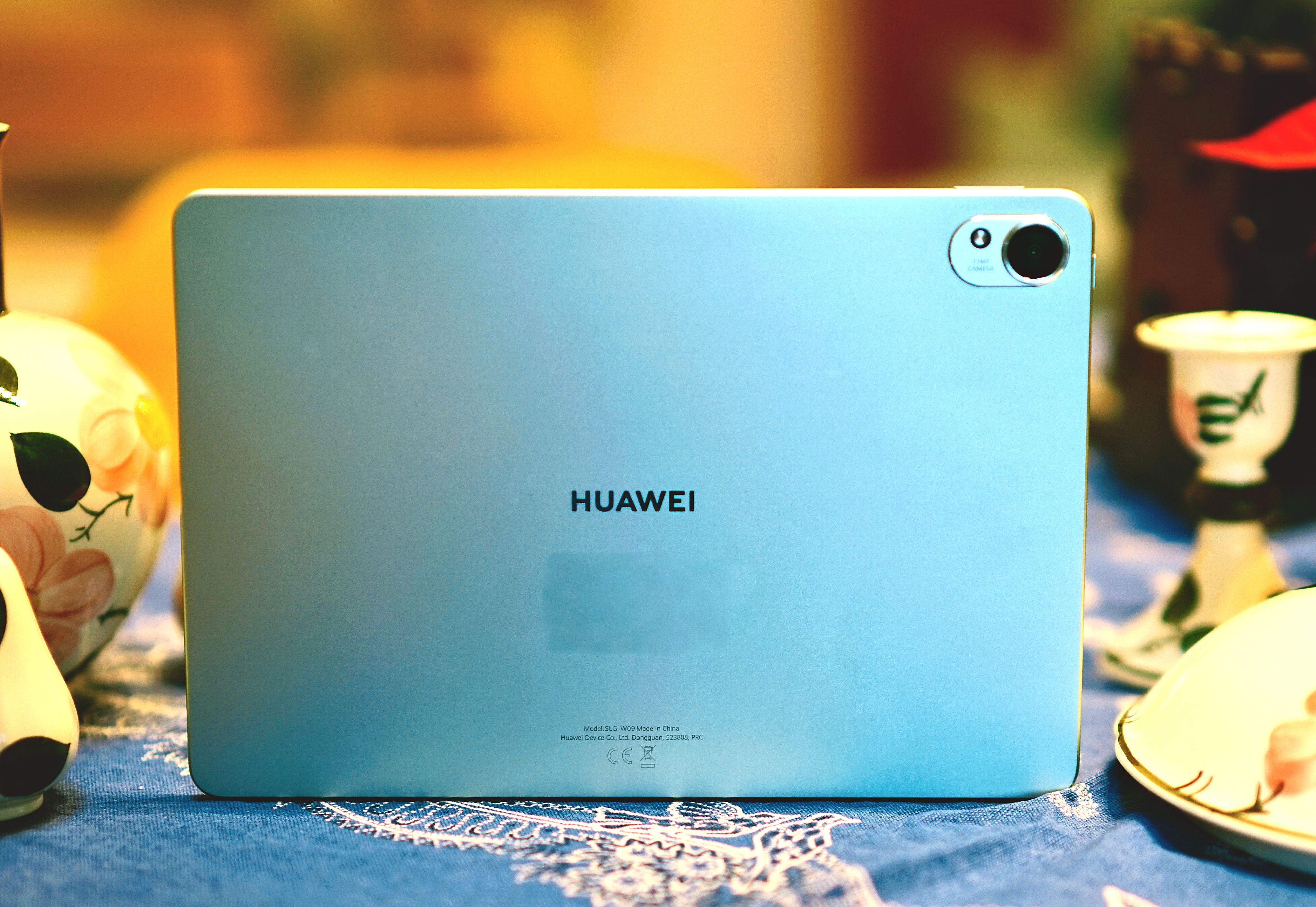
Huawei has built a strong ecosystem in China, but shoppers in Europe and other Western markets still hesitate for one big reason: US sanctions mean Huawei devices can’t ship with Google services preinstalled. The good news is that, in 2026, that limitation isn’t as deal-breaking for many tablet buyers as it used to be.
So, can you use Google on Huawei devices? With the Huawei MatePad 11.5 S (2026), the answer is largely yes—if you’re willing to spend a little time setting things up. After installing a few additional open-source tools, most popular Google apps can run with surprisingly few headaches. For everyday use like email, video streaming, and common productivity tasks, many users will find the experience far closer to “normal Android” than they might expect.
There are still exceptions. Google Wallet and Google Pay remain problematic, but in the case of the MatePad 11.5 S, that’s less relevant because the tablet doesn’t include NFC hardware anyway. In practical terms, this means the remaining Google limitations are now a minor concern for people shopping specifically for a mid-range tablet.
What makes the Huawei MatePad 11.5 S (2026) stand out isn’t just how manageable the software situation has become—it’s how much innovation Huawei has squeezed into a tablet priced under €500. This isn’t a typical mid-range device that simply checks the basics. Instead, it delivers features that feel aimed at students, creatives, and note-takers who want premium extras without paying flagship money.
A major highlight is support for the Huawei M-Pencil Pro. The stylus offers a robust toolset for both drawing and writing, including gesture controls, tilt detection, and more than 16,000 levels of pressure sensitivity. It also comes with different tips designed for different use cases, giving you more control over how the pen feels on the screen—whether you’re sketching, shading, or taking handwritten notes.
The other headline feature is Huawei’s improved matte display. Matte screens are becoming increasingly popular because they cut down glare and make long sessions easier on the eyes, but they can sometimes reduce sharpness or affect colors. Here, Huawei has refined the formula: clarity and color reproduction are noticeably improved, and color accuracy checks back that up. The matte finish also resists fingerprints better than typical glossy panels, and it adds a touch of resistance when using the stylus—creating a more paper-like writing and drawing feel.
That said, the MatePad 11.5 S (2026) still isn’t perfect. There’s no version with a cellular modem for mobile data on the go, and it also lacks GPS. That’s unfortunate because a low-glare, outdoor-friendly screen is exactly the kind of feature that would benefit from true “use it anywhere” mobility.
Battery life is another area that could be stronger. The tablet can certainly get you through typical daily tasks, but improved processor efficiency would help it last longer—especially for users who plan to use it heavily for note-taking, media, or creative work.
Overall, the Huawei MatePad 11.5 S (2026) is one of the more interesting tablets in its class thanks to its stylus features and upgraded matte display. If you’ve been avoiding Huawei tablets because of Google concerns, this model shows how much the real-world experience has improved—while also offering genuinely standout hardware features that are still rare at this price point.