Xbox’s New Disc-to-Digital Feature Could Be a Big Win for Delisted Games
Xbox’s upcoming disc-to-digital feature is already generating excitement among players, but one discovery has made the feature even more interesting: it appears to work with some games that are no longer available for digital purchase.
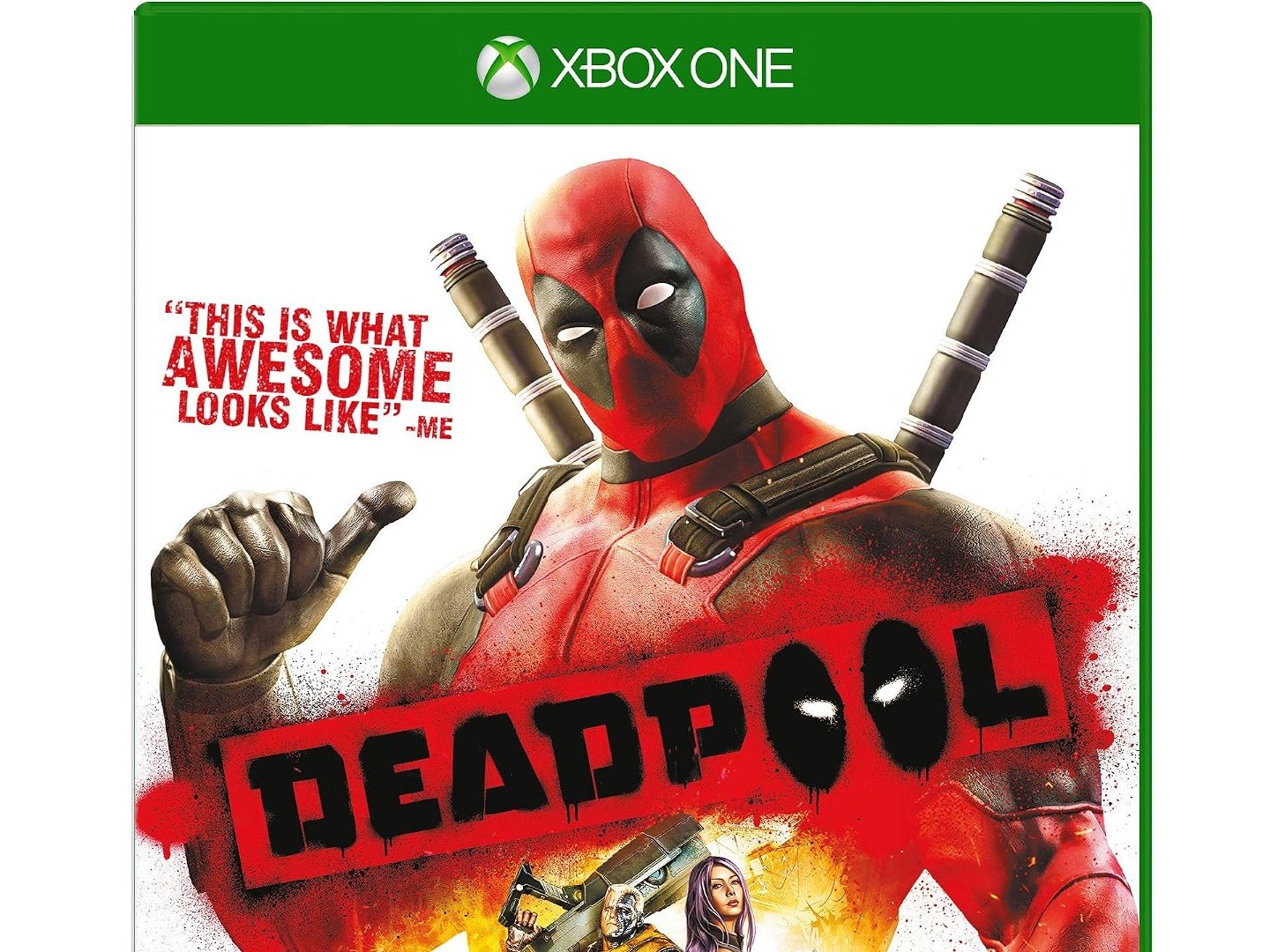
The feature is currently being tested by Xbox Insiders, and early feedback suggests it could become one of Xbox’s most useful preservation-focused tools. The standout example so far involves Activision’s Deadpool for Xbox One, a game that was released in 2015 and later removed from digital storefronts in 2017.
An Xbox Insider tested the disc-to-digital system using a physical copy of Deadpool and reportedly received a digital license for the game, despite the title being delisted. That means the disc was able to grant access to a digital version of a game that can no longer be bought from the store.
For Xbox fans and game collectors, this is a major development. Delisted games have become a growing concern in the digital era, especially when licensing agreements expire and publishers are forced to remove titles from sale. If Xbox’s disc-to-digital feature can help preserve access to these games, it could make physical copies even more valuable.
Deadpool has had a complicated history on digital storefronts. The game first launched in June 2013 for Xbox 360, PlayStation 3, and Windows. After Activision’s Marvel licensing agreement expired, it was removed from digital stores in 2014. It later returned in November 2015 for Xbox One, PlayStation 4, and PC ahead of the Deadpool movie, only to be delisted again in November 2017.
Players who previously bought Deadpool digitally can still redownload it from their purchase history. However, anyone who missed the chance to buy it has had no official way to purchase the digital version since its removal. That is why this new Xbox feature has caught so much attention.
Deadpool is not the only game affected by delisting. Several other Activision-published titles have disappeared from digital storefronts over the years, including Marvel Ultimate Alliance and multiple James Bond 007 games. Other publishers have faced similar issues, with licensed games based on cartoons, movies, and TV shows often being removed once agreements expire.
This is exactly why many players continue to support physical media. When a game is released only digitally and later gets delisted, it can become impossible for new players to access legally. Physical discs help protect against that problem, at least as long as the hardware can still read them.
Xbox’s disc-to-digital feature could offer a practical middle ground. Players would still need the physical disc, but they could gain the convenience of a digital license. If the system continues to support delisted titles, it may become an important step for game preservation and backward compatibility.
The response from the Xbox community has been overwhelmingly positive. Many players see this as a consumer-friendly move that respects existing game collections while also making older titles easier to access on modern consoles.
There are still questions about how widely the feature will work once it becomes available to everyone. It is not yet clear whether every delisted game will be supported or whether publishers will have control over specific titles. Still, the Deadpool example has given fans plenty of reason to be optimistic.
As digital ownership becomes a bigger topic in gaming, Xbox’s disc-to-digital feature could stand out as a major advantage. For players who have shelves full of older discs, it may soon offer a new way to keep those games alive in a digital library, even when the store no longer sells them.