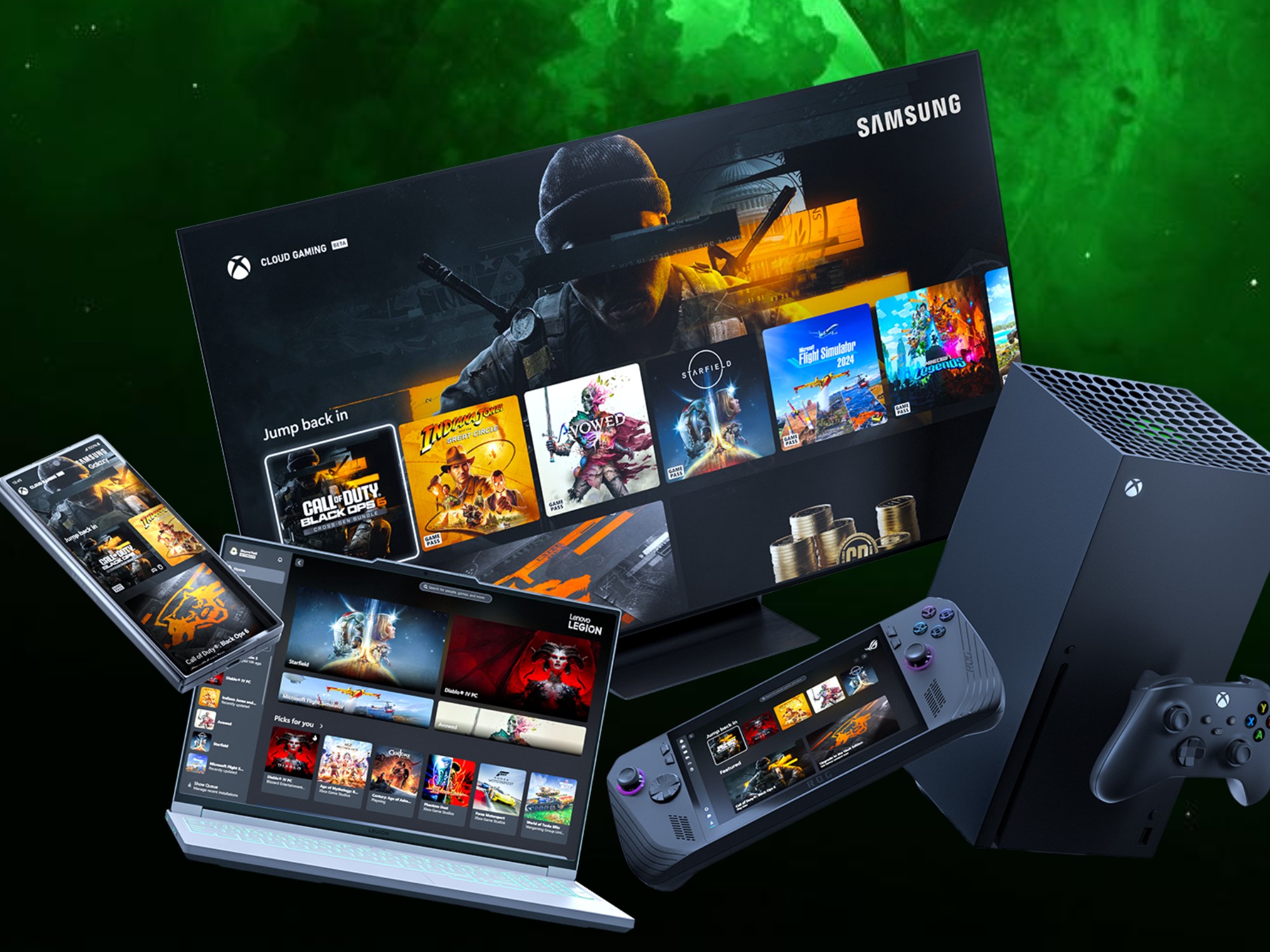
Xbox Play Anywhere has long sounded like a win for gamers who bounce between console, PC, and handheld devices. Buy once, play across supported platforms, keep progress moving, and avoid purchasing the same title multiple times. The problem is that convenience for players doesn’t automatically translate into an easy “yes” for game studios—and Microsoft has reportedly been working behind the scenes to change that.
According to insider chatter shared by Moore’s Law Is Dead, Microsoft is now sweetening the deal for developers who support Xbox Play Anywhere by offering a better profit split early on. The reported incentive is a higher revenue share for the first $1 million in sales made on the Windows Store. In other words, studios that commit to the ecosystem could earn more upfront, at least at the start of a game’s sales cycle.
Why would Microsoft give up a bigger slice of revenue? The report suggests the company has bigger priorities than maximizing short-term storefront profits—especially as it tries to build momentum for its Windows-based gaming future.
A major pressure point appears to be handheld gaming. With sales for the ROG Xbox Ally reportedly looking flat, Microsoft is said to be urging developers to optimize their games for Windows handheld hardware. In an ideal scenario, a Play Anywhere title should run well enough on lower-powered devices, making it more attractive to players who want portable access without compromises. Better optimization also makes the overall Windows handheld experience feel more “console-like,” which is critical if Microsoft wants that category to grow.
But there’s another obstacle Microsoft can’t ignore: where developers choose to sell their games.
Many studios still prioritize Steam due to its enormous audience and proven track record of discoverability. Console-focused releases can also perform well on other major console storefronts. Meanwhile, the Windows Store is often viewed as a tougher sell, with less built-in traffic for core PC players. The report claims this hesitation is exactly what Microsoft is trying to overcome—because if developers don’t commit, Microsoft’s broader Xbox hardware plans could struggle to land.
Play Anywhere may also connect to the company’s rumored next step in hardware. Moore’s Law Is Dead says the new incentives appear to be part of groundwork for “Project Helix,” a hybrid system expected to run on a version of Windows. Even if the device is Windows-based, Xbox Play Anywhere would still matter because it reinforces the idea of one purchase traveling across a family of devices—console-style hardware, handheld gaming PCs, and other Windows machines.
The same report also suggests that a game development kit shown at GDC 2026 introduced the option to build specifically for Helix. PC compatibility may require only minimal extra effort, but it reportedly won’t be mandatory. That detail is important: it implies Microsoft wants flexibility for developers while still nudging them toward a shared ecosystem where games can easily scale across different Xbox and Windows form factors.
What remains unclear is how open this future setup would be to competing storefronts on Windows devices. Even if one day players can install other platforms, Microsoft’s goal appears straightforward: attract publishers to release on its own store, expand the Play Anywhere catalog, and make the Windows Store feel like a serious destination for buying games.
Microsoft does have progress to point to, with more than 1,000 Play Anywhere-supported games available. Still, that number is small compared to the massive libraries found on the biggest PC and console marketplaces. Exposure is one challenge. Another is workload: some developers simply don’t want to maintain yet another version of a game, especially when it involves unique cross-platform features like shared entitlements and cross-save expectations.
If this reported higher revenue share offer is real, it signals Microsoft is willing to spend to change developer habits—trading some early earnings for a stronger pipeline of Play Anywhere releases, better-optimized Windows handheld games, and a more attractive first-party storefront experience. Whether it’s enough to shift long-standing publishing preferences will likely depend on how easy Microsoft makes the process, how strong the audience growth becomes, and how compelling the next wave of Xbox hardware turns out to be.