Xbox Sets Bold 2030 Goal to Become the World’s Top Gaming and Entertainment Company
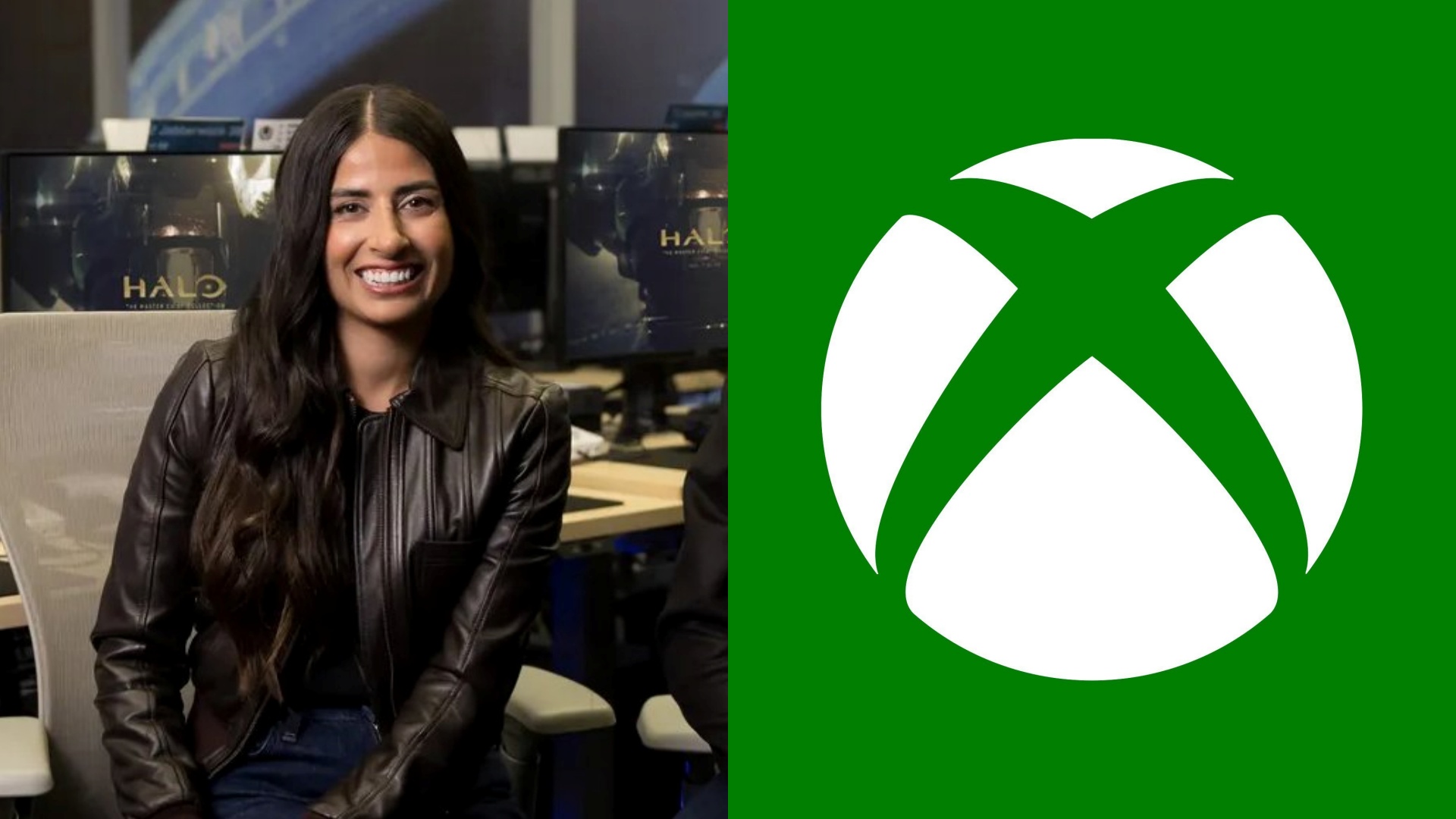
Xbox is aiming for a much bigger role in the future of entertainment. In a recent interview, Xbox CEO Asha Sharma outlined an ambitious target for Microsoft’s gaming division: becoming the number one gaming and entertainment company by 2030.
Sharma made it clear that Xbox’s long-term strategy is not limited to chasing traditional profit targets. Instead, the company is focused on expanding its influence across gaming, content, services, and entertainment as a whole. According to her, the mission is to build Xbox into the leading name in interactive entertainment over the next several years.
“My mandate is not 30% accountability margin,” Sharma said. “It’s not enterprise software margins. It’s to be the number one gaming and entertainment company, and that’s what we’re going to go do.”
That statement reflects Microsoft’s broader push to strengthen Xbox through major investments, studio acquisitions, platform growth, and high-value gaming franchises. Over the past few years, Microsoft has spent heavily to reshape its gaming business, including the purchases of Activision Blizzard and ZeniMax Media. These moves have given Xbox control of some of the biggest names in gaming, including Call of Duty, World of Warcraft, Candy Crush Saga, The Elder Scrolls, Fallout, and Doom.
Sharma pointed to these investments as proof that Microsoft remains deeply committed to gaming. Xbox is no longer just a console brand; it is becoming a wider gaming platform built around hardware, subscription services, cloud gaming, PC releases, and major publishing power.
She also highlighted Xbox’s position as one of the world’s largest game publishers. As the company expands, it faces a balancing act between making games available to wider audiences and maintaining strong exclusive content that gives players a reason to stay within the Xbox ecosystem.
“We’re the number two publisher in the world,” Sharma explained. “In order to be a great publisher, you must have your games reach large audiences to play. At the same time, we’re increasingly becoming a platform. In order to be a platform, you must have exclusive content and services.”
This approach suggests Xbox will continue evaluating each game individually when deciding where it should be released. Some titles may remain closely tied to Xbox platforms and services, while others could reach broader audiences across multiple systems. Sharma said the company is studying the market carefully and learning from similar examples across the gaming industry.
The Activision Blizzard acquisition remains one of the biggest parts of Microsoft’s gaming strategy. When asked whether the deal has delivered value, Sharma strongly defended the purchase. She pointed to the strength of Activision Blizzard’s franchises, especially Call of Duty, one of the most successful entertainment properties in the world.
“I don’t know anybody in entertainment who wouldn’t want Call of Duty,” she said.
Beyond Call of Duty, the deal also brought Microsoft mobile gaming giant Candy Crush Saga and the long-running online role-playing franchise World of Warcraft. Together, these properties give Xbox a powerful presence across console, PC, mobile, and live-service gaming.
Still, Sharma acknowledged that Xbox has work to do. She said the company needs to “reset the business” in the coming months, suggesting that Microsoft may continue refining its gaming strategy as it looks toward 2030. That could involve changes in how Xbox handles game releases, subscriptions, hardware, cloud gaming, and its growing portfolio of studios.
The road ahead will not be simple. The gaming industry is more competitive than ever, with major companies fighting for player attention across consoles, PCs, mobile devices, streaming platforms, and subscription services. Consumer habits are also changing quickly, making flexibility and strong content more important than ever.
Even so, Microsoft appears confident that Xbox can become a dominant force in global entertainment. With blockbuster franchises, a growing publishing business, continued hardware development, and expanding services, Xbox is positioning itself for a major push over the next decade.
If Sharma’s vision becomes reality, Xbox could evolve far beyond its identity as a console brand. By 2030, Microsoft wants Xbox to stand at the center of gaming and entertainment, reaching players wherever they are and competing at the highest level across the entire industry.