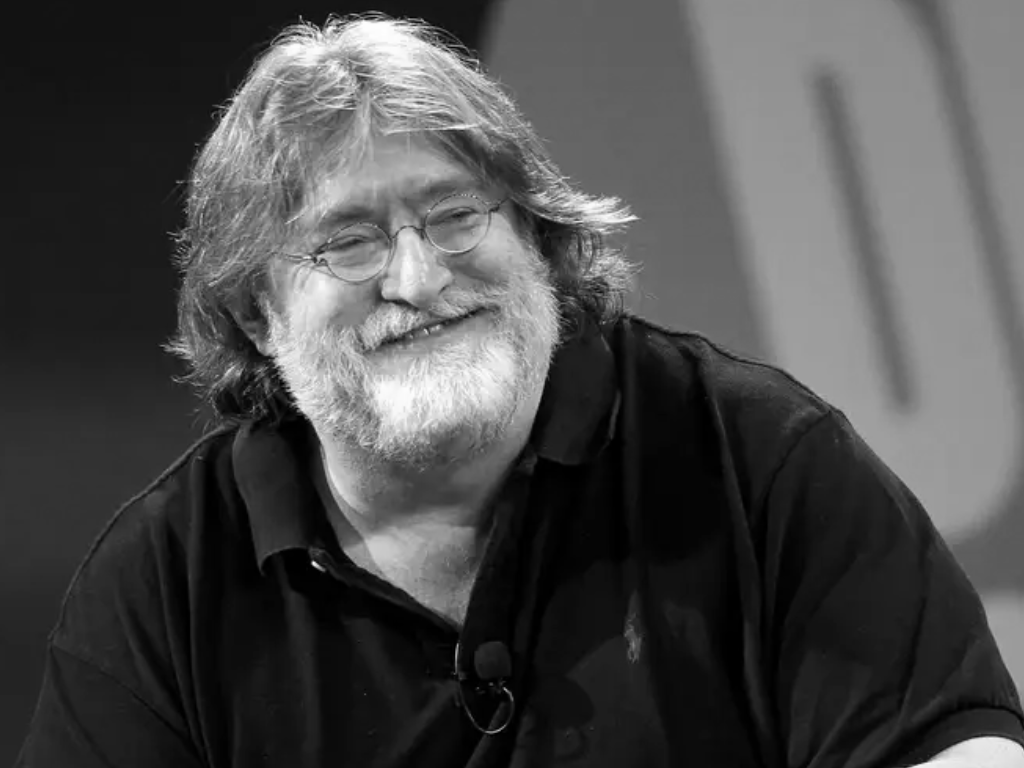
A newly resurfaced story from Portal 2’s lead designer, Josh Weier, offers a revealing look at why Valve co-founder Gabe Newell gradually stepped away from hands-on game development after Portal 2 shipped. It wasn’t burnout or a loss of interest in making games. It was something more unusual: Newell struggled to find people willing to challenge his ideas directly.
Weier, speaking in an interview from a few years back that has started circulating again, described Newell as someone who genuinely enjoyed getting into the creative trenches with developers. He wasn’t trying to dictate decisions from a distance. He wanted to brainstorm, debate, and build ideas as part of the team. The problem was that his role at Valve made that kind of collaboration difficult in practice.
According to Weier, Gabe Newell’s presence carried so much weight that many developers defaulted to agreement, even when he was explicitly asking for honest feedback. Instead of the back-and-forth friction that often improves a game, conversations could turn into polite acceptance. Weier recalled that Newell would push for a true team dynamic—only to be met with “Whatever you say,” reactions that shut down the creative tension Newell was looking for.
Weier also explained why that dynamic was so hard to break. Newell could be intimidating, not because he was aggressive, but because he was naturally imposing and, of course, was the company’s co-founder and president. Weier described what it felt like for a younger developer in the Half-Life 2 era to be invited to lunch and given game ideas by Newell: the instinctive response was deference, not debate. Even if Newell wanted disagreement, it wasn’t always easy for someone early in their career to confidently push back.
Over time, Weier said, Newell recognized the issue and adjusted his approach. Rather than staying closely embedded in day-to-day design, he started giving teams more autonomy—letting them do the work he hired them to do—while still checking in periodically, offering feedback, and keeping an eye on how people were holding up under pressure.
Portal 2’s development included a moment that captured this shift clearly. The team wanted to redesign GLaDOS for her expanded role, aiming for a new look that fit the game’s direction. Newell had different ideas, and there was real discussion around which path to take. Ultimately, after going back and forth, Newell stepped aside and let the team pursue its vision. From there, his involvement became more about supportive oversight—checking in personally, asking how things were going, and making sure the team wasn’t burning out.
The story highlights a rare leadership challenge in game development: when the most experienced voice in the room becomes so authoritative that others hesitate to disagree, even when disagreement is exactly what’s needed to sharpen ideas. In Weier’s account, Newell’s decision to step back wasn’t a retreat from creativity—it was an intentional move to protect it, giving Valve’s teams space to make bold calls while still benefiting from his perspective at the right moments.