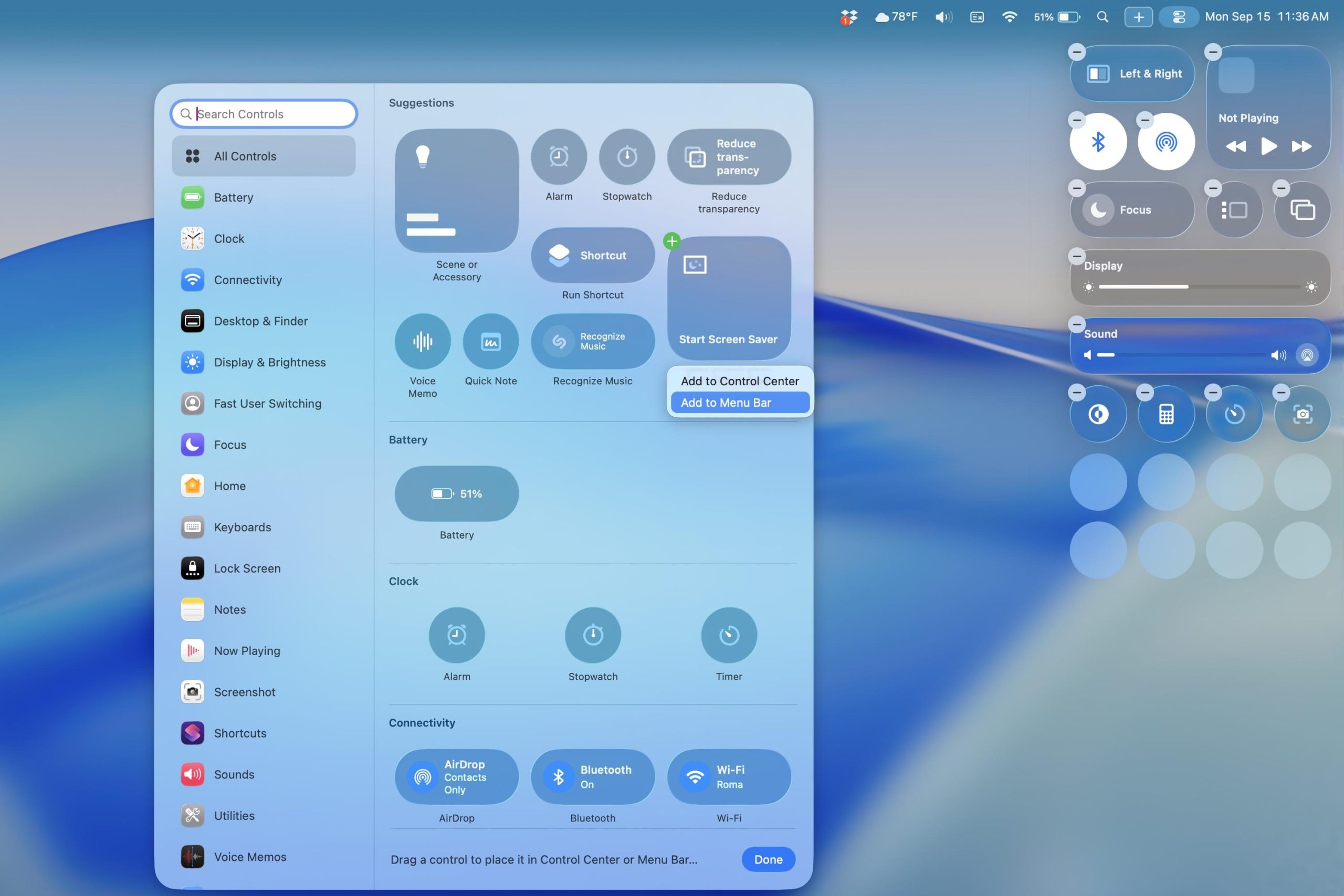
Despite Alan Dye—the designer most closely associated with Apple’s Liquid Glass look—leaving the company for Meta in late 2025, Apple isn’t preparing to walk back its newest interface style. A recent report indicates the Liquid Glass design language is here to stay, and iOS 27 won’t bring any major visual rollback or dramatic UI redesign.
That may surprise some observers, especially after months of mixed reactions to Liquid Glass. While many users like the modern, glossy aesthetic, the design has also drawn criticism for readability and legibility, with some arguing Apple prioritized visual flair over everyday usability. Still, the latest details suggest Apple’s leadership remains committed to the current direction. The thinking is straightforward: Liquid Glass wasn’t a one-person project, and it wasn’t implemented on a whim. It’s a company-wide design decision, and Apple is still invested in it.
Rather than reinventing the iPhone interface again, iOS 27 is expected to concentrate on two areas that matter to most users: stability improvements and major AI upgrades. In other words, fewer sweeping cosmetic changes—more emphasis on performance, reliability, and smarter built-in features.
One of the biggest AI additions rumored for iOS 27 is a dedicated Siri chatbot experience that won’t arrive as a separate app. Instead, it’s expected to be deeply integrated into Apple’s software, making it feel like a natural evolution of Siri rather than a bolt-on feature. The chatbot is said to handle a wide range of tasks, including web searching, content generation (including images), coding help, information analysis and summarization, and file uploads.
It’s also expected to go beyond generic, one-size-fits-all responses. The new Siri chatbot may be able to use personal data to complete tasks more accurately, and it’s rumored to include a significantly improved search capability. Another feature in development could allow Siri to view open windows and what’s currently on screen, giving it more context to help users. On top of that, Apple is reportedly working on functionality that lets the chatbot adjust device settings and control features more directly—an area where many users have wanted Siri to become more capable for years.
On the infrastructure side, the report claims Apple’s Siri chatbot may run on Google’s TPU and cloud infrastructure, potentially through capacity leased by Apple. The underlying intelligence is described as a more advanced model that’s internally referred to as Apple Foundation Models version 11, and it’s expected to be competitive with Gemini 3. If accurate, that would represent a sizable leap over the model supporting Siri in iOS 26.4.
As for timing, iOS 27 is expected to enter beta testing this summer, keeping in line with Apple’s typical update cycle.
Not every Apple app is expected to receive an ambitious overhaul during the iOS 27 era, though. Apple is also said to have scaled back some of its earlier plans for a major Health app revamp, following disappointing results tied to an AI-driven health feature integration that reportedly produced inconsistent and sometimes incorrect recommendations.
Overall, iOS 27 is shaping up to be a refinement-and-intelligence release: keep the Liquid Glass UI, smooth out the rough edges, and push Apple’s AI strategy forward with a more powerful, more useful Siri that’s built into the core experience of the iPhone.